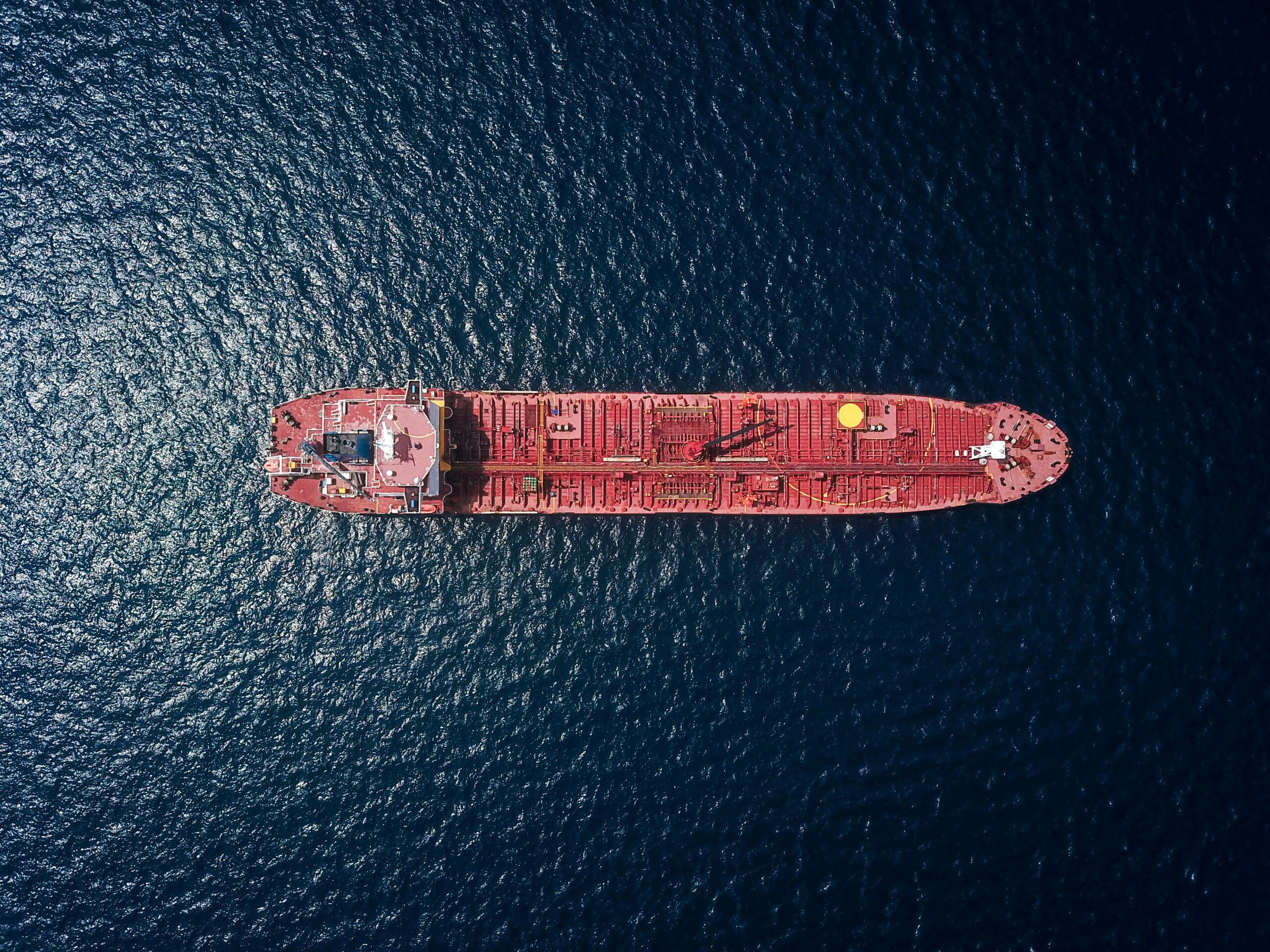

A drone attack ignited a fire at the UAE’s key oil port of Fujairah on Saturday, forcing the suspension of some loading operations at a terminal that handles about 1% of global oil demand, industry and trade sources said.
The attack came hours after the U.S. struck military targets on Iran’s Kharg Island oil export terminal — and just one day after Iran’s Revolutionary Guards explicitly warned that U.S. interests in the UAE, including ports and docks, were “legitimate targets”.
Firefighters contained the blaze, which was caused by debris falling during the interception of a drone, the emirate’s media office said. No injuries were reported.
But the damage to operations was immediate. Reuters could not immediately determine the impact on loadings, but Fujairah normally handles about 1 million barrels per day of the UAE’s Murban crude oil.

The Strategic Target
Fujairah sits outside the Strait of Hormuz, making it the UAE’s only export terminal not dependent on passage through the narrow waterway that Iran has effectively closed since the war began on February 28. Its location makes it both strategically vital and increasingly vulnerable.
The attack follows a pattern of escalating strikes on energy infrastructure as the U.S.-Israeli campaign against Iran enters its third week.
On Tuesday, Abu Dhabi state oil giant ADNOC shut its Ruwais refinery after a drone strike ignited a fire at the facility. That attack caused further disruption to UAE energy operations and demonstrated Iran’s ability to reach deep into Gulf territory.
Iran’s Revolutionary Guards have made their intentions clear. In a statement on Friday, they declared that “all American interests in the region, including ports, docks, and military locations in the UAE, are legitimate targets”.
The Global Supply Crisis
The attack compounds an already dire global energy situation.
The International Energy Agency warned this week that the world is facing its biggest ever oil supply crisis due to the effective closure of the Strait of Hormuz, through which about a fifth of global oil flows.
Gulf producers, including the UAE, have been forced to cut output as tanker traffic remains halted. The loss of Fujairah’s export capacity — even temporarily — will further tighten markets already bracing for prolonged disruption.
Earlier Saturday, U.S. forces struck military targets on Iran’s Kharg Island, the country’s main oil export terminal, in what Pentagon officials described as an effort to degrade Tehran’s ability to generate revenue and fuel its war machine. Satellite imagery showed black smoke rising from the facility.
Iran has vowed to retaliate for every attack on its soil.
The Response
Authorities in Fujairah did not provide information about the suspension of operations or how long it might last. ADNOC, which operates in the emirate, did not immediately respond to a request for comment.
Civil defense forces remain at the scene, working to fully extinguish the fire and assess damage to port infrastructure.
For global oil markets, already roiled by the closure of the Strait of Hormuz and weeks of escalating conflict, the attack on Fujairah represents a dangerous new front. The UAE, once seen as a safe harbor from the worst of the war, is now firmly in the crossfire.
Iran has made clear: no port, no dock, no refinery in the Gulf is safe. And as the fires in Fujairah prove, they are making good on that threat.