
Over a single weekend in May 2026, a series of violent attacks in Baltimore’s most famous landmarks has left residents and visitors asking a terrifying question: is the risk worth the trip? From the Inner Harbor to the Hippodrome, the data shows that Baltimore is no longer safe for tourists.
A Weekend of High-Profile Violence
Crime in Baltimore has moved out of the shadows and into the “safe zones” where families and sports fans gather. The timeline of this past weekend is a roadmap of a city under siege.
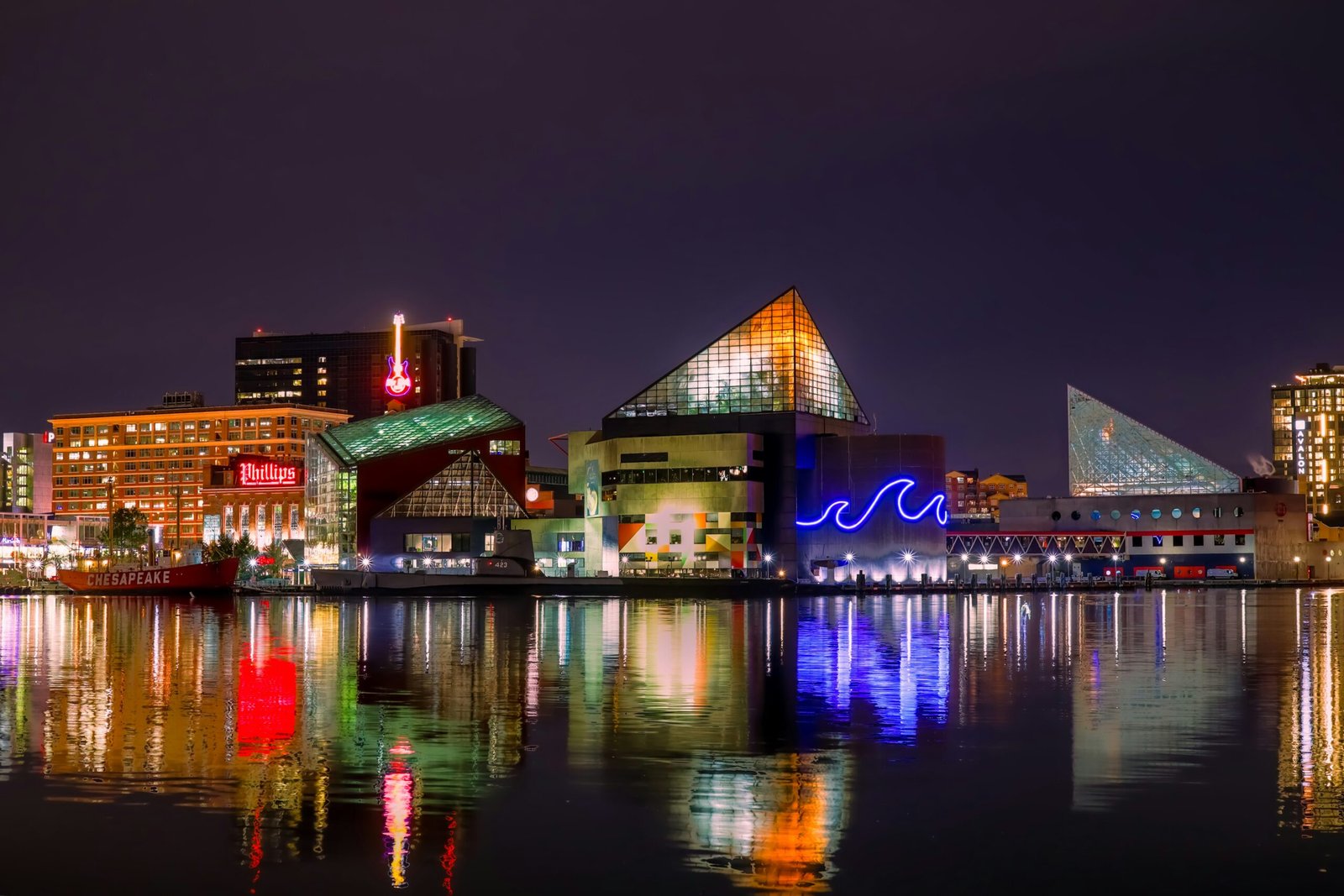
On Friday night, just two hours after fans poured out of Camden Yards following an Orioles game, a group of juveniles stabbed a 38-year-old man in the heart of the Inner Harbor. Shortly after midnight on Sunday, a 20-year-old man on a scooter was jumped and robbed by three men near the historic Hippodrome Theatre.
Before the Sunday lunch rush, a 30-year-old man was shot in broad daylight across from Lexington Market. Police later arrested 32-year-old Antonio Chase, who now faces attempted first-degree murder charges.
The Economic Death Spiral
Local economist Anirban Basu warns that when a city is associated with violence, people simply stop showing up. This creates a “disproportionate impact” on the local economy.
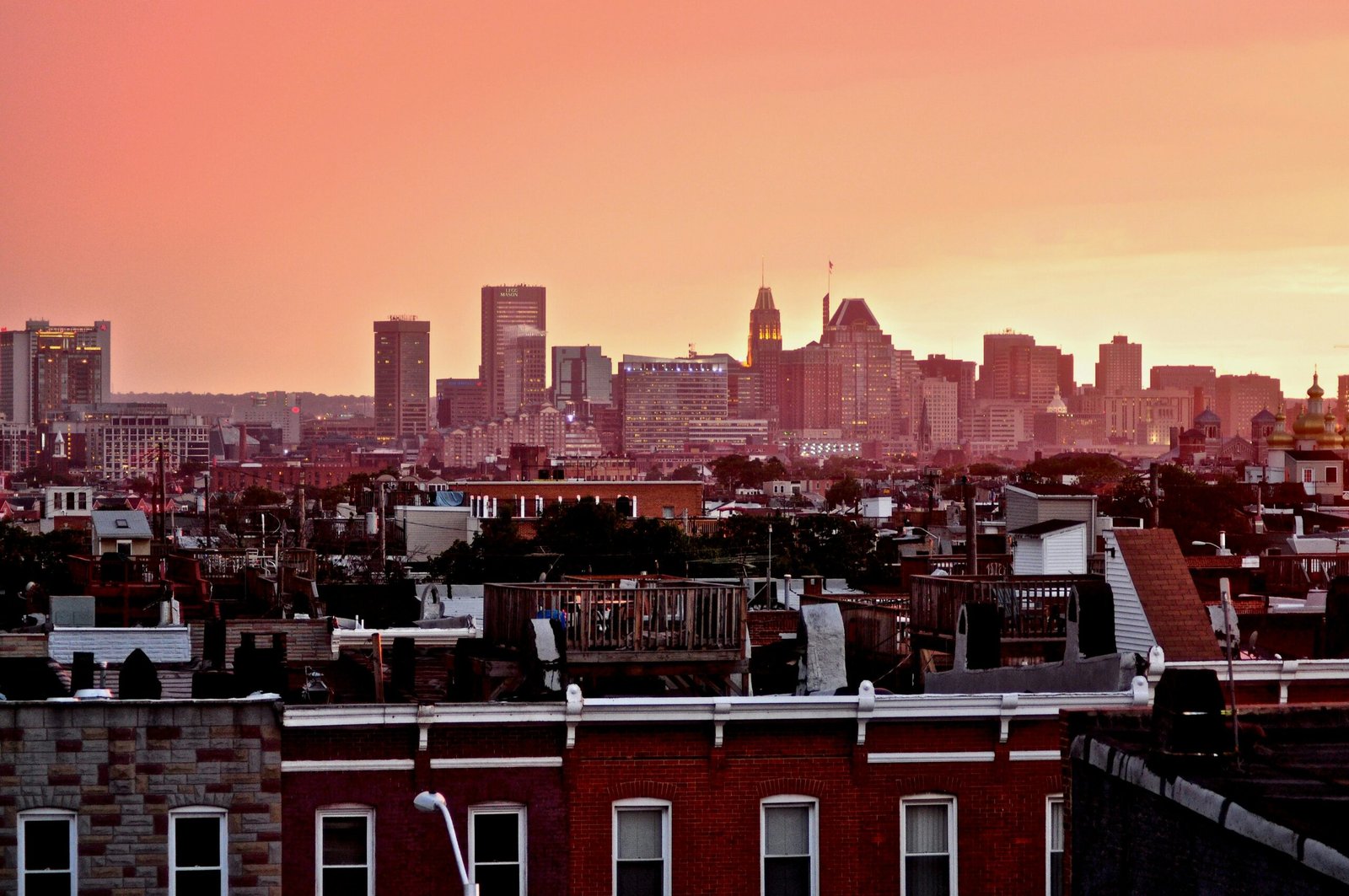
According to the Downtown Partnership, the numbers tell a story of steady decline. Downtown office vacancy rates have climbed every year:
2023: 20% vacancy
2024: 21.7% vacancy
2025: 26.4% vacancy
When nearly 27% of a city’s downtown is empty, it becomes a ghost town that invites even more crime. It’s a vicious cycle: violence drives away businesses, vacancies create “dead zones,” and dead zones become breeding grounds for more assaults and robberies.
You Can’t “Brand” Your Way Out of a Shooting
In my view, Baltimore’s leadership is trying to fix a deep-seated safety crisis with surface-level marketing. You can have the best baseball team in the world and the most historic markets, but if a fan can’t walk to their car after a game without being stabbed by a group of kids, the “brand” is broken.
I find it incredibly frustrating that we are watching a world-class city cannibalize itself. We are seeing property values tank because “intent” to fix things doesn’t stop a bullet at noon on a Sunday. If the city cannot secure the half-mile radius around Camden Yards and the Inner Harbor, it might as well turn out the lights on the tourism industry altogether. Tourists don’t visit cities where they feel like targets.
The people suffering the most are the retailers and restaurant owners who invested in these neighborhoods. As Basu pointed out, when people say, “I don’t want to visit these areas,” the small businesses are the first to die. A city with a 26.4% vacancy rate isn’t just “struggling” but is in a state of emergency.
Final Thoughts
The arrest of Antonio Chase is a small victory, but it doesn’t erase the fear felt by the man on the scooter or the fans at the Inner Harbor. Until the streets are reclaimed from random acts of violence, the tourists will stay in the suburbs, the offices will stay empty, and the vacancy rate will continue its march toward 30%. Charm City needs more than charm right now; it needs basic law and order.