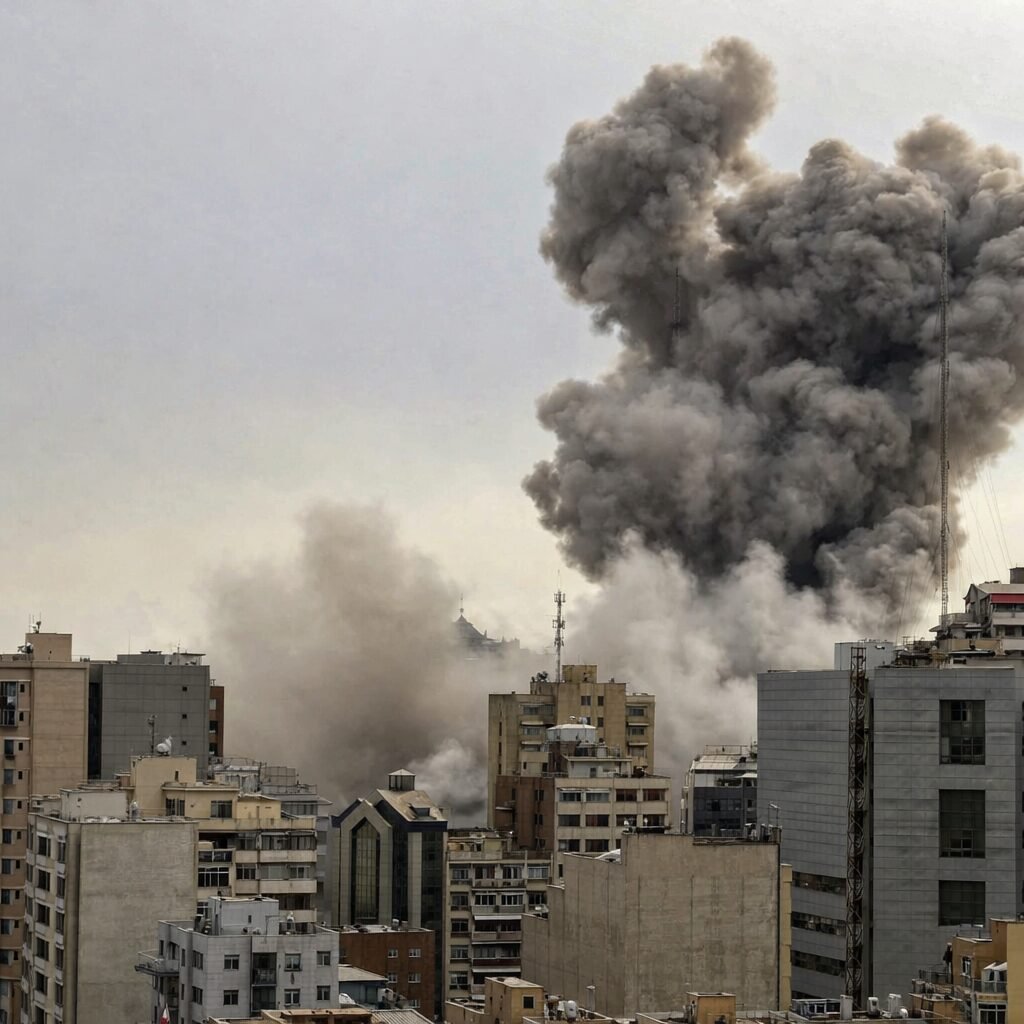

In an extraordinary public break with its most important ally, the Palestinian militant group Hamas has urged Iran to stop attacking Gulf states — a rare appeal driven by mounting pressure from its own regional backers who are increasingly caught in Tehran’s crossfire.
The statement, issued Saturday, called on “brothers in Iran to avoid targeting neighbouring countries,” urging all regional nations to cooperate “to preserve the bonds of brotherhood”.
It was the first visible tension in the Iran-Hamas alliance in nearly 17 years.
The appeal came just hours after Israeli officials told Reuters that Qatar had threatened to expel Hamas leaders from Doha and cut off its multi-million dollar aid payments unless the group publicly distanced itself from Iran’s Gulf strikes.

A Delicate Balancing Act
Hamas finds itself in an impossible position. It depends on Iran for weapons, funding and political support — a lifeline without which it could not survive. But it relies equally on Gulf states, particularly Qatar and the UAE, for money, diplomatic cover and a safe haven for its leadership.
Those Gulf states are now being bombed by Iran.
At least 18 people have been killed across the region in two weeks of Iranian retaliatory strikes following the U.S.-Israeli attack that killed Supreme Leader Ali Khamenei on February 28. Six died in the UAE, six in Kuwait, two in Oman, two in Saudi Arabia, and two in Bahrain.
Qatar, which hosts Hamas’s political leadership, has seen its critical infrastructure targeted. Iran claims its strikes are aimed solely at “American installations,” but the civilian toll tells a different story.
For Hamas, the math is brutal: offend Tehran, and lose weapons. Offend the Gulf, and lose money and a home. So they did what they had to do — they pleaded.
The Statement
Hamas said it was “following with deep concern the ongoing war in the region” and called on “all states and international organisations to work towards halting [the war] immediately”.
The group affirmed Tehran’s right to defend itself against U.S. and Israeli attacks — a nod to their Iranian patrons — but the core message was unmistakable: stop hitting our neighbors.
Iran has not publicly commented on Hamas’s statement.
The carefully calibrated language reflected the group’s impossible position. They could not condemn Iran outright. They could not stay silent while their Gulf backers burned. So they chose the middle path: a public plea dressed in the language of brotherhood.
The Gaza Context
Hamas fought a devastating two-year war against Israel in Gaza, ending with a U.S.-imposed ceasefire in October. Negotiations continue over the deal’s later phases, but both sides accuse each other of near-daily violations.
The Hamas-run health ministry says 649 people have been killed in Gaza since the ceasefire took effect.
The group previously condemned as a “heinous crime” the assassination of Khamenei, who was killed in the opening wave of U.S.-Israeli strikes.
But Saturday’s statement marked a clear shift in tone. The enemy of their enemy was no longer their only concern. When your friends start bombing your other friends, something has to give.
What Comes Next
Iran has not responded. Its retaliatory campaign continues. Gulf states remain in the crossfire. And Hamas — caught between its most important ally and its most generous backers — waits to see whether its plea will be heard.
For now, the message has been sent: stop bombing our neighbors. But whether Tehran is listening is another question entirely.