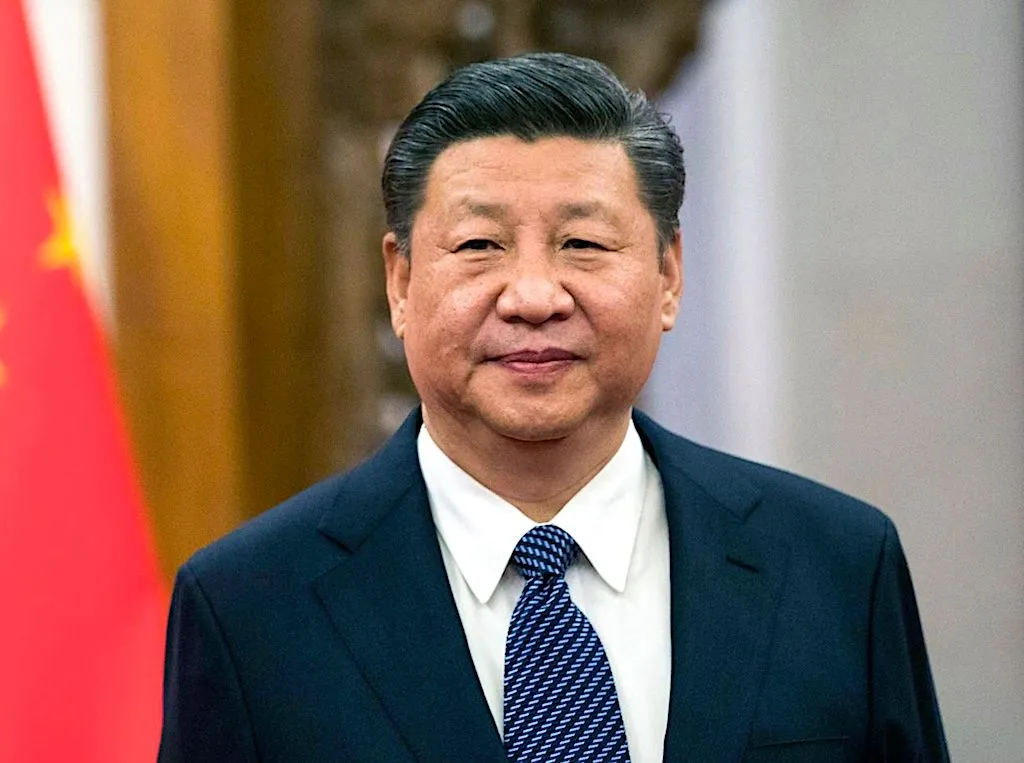

Chinese leader Xi Jinping is set to host Russian President Vladimir Putin in Beijing for a two-day summit starting Tuesday. The visit comes a mere four days after U.S. President Donald Trump departed the Chinese capital, highlighting Beijing’s strategic ambition to position itself as the ultimate global power.
The Kremlin’s Watchful Eye
The timing of the summit is entirely intentional. According to Kremlin spokesman Dmitri S. Peskov, Vladimir Putin followed Trump’s three-day stay in Beijing with intense interest.
The Kremlin explicitly noted that the upcoming talks will provide Moscow and Beijing with a critical opportunity to “share opinions” on the private discussions that took place between the Chinese and the Americans.
The Lopsided Alliance
While Beijing strives to maintain a public semblance of geopolitical equality with Moscow, the actual economic realities between the two nations are incredibly uneven: China has become Russia’s economic lifeline amidst its protracted conflict with the West over Ukraine, supplying more than a third of Russia’s total imports and purchasing over a quarter of its exports.
In contrast, Russia accounts for a meager 4% of China’s total international trade, a commercial footprint smaller than China’s trade volume with Vietnam. Despite the lopsided trade numbers, Russia’s geopolitical value as a secure, land-based energy provider has surged dramatically for China, especially as ongoing warfare in Iran continues to paralyze maritime supply lines in the Middle East.
The Siberian Pipeline Push
For years, Moscow has aggressively pressured Beijing to sign off on a massive new natural gas pipeline that would connect Siberian extraction fields directly to China’s interior via Mongolia.
Xi’s administration has historically dragged its feet on the project, wary of violating its own diversification rules by becoming overly dependent on a single energy supplier. Speaking after Russia’s May 9 Victory Day celebrations, Putin announced that both nations are “very close to agreement” on major oil and gas cooperation, expressing hope that the pipeline deal will finally be locked in during this visit.
Playing Both Sides of the Superpower
By rolling out the red carpet for Trump one week and welcoming Putin the next, Beijing is demonstrating that it doesn’t need to choose between the East and the West; it intends to dictate terms to both.
With the Strait of Hormuz in total chaos and the Strait of Malacca looking vulnerable, China’s hesitancy over Russia’s Siberian pipeline is melting away out of pure necessity. Putin knows he has a weak hand commercially, but he holds the ultimate wildcard, land-based oil and gas that the U.S. Navy cannot intercept.
Trump may think his recent visit was a win for American trade, but by treating long-standing alliances as mere transactional chips, the U.S. has shown Beijing that Western commitments are fluid. Xi is capitalizing on this exact unpredictability. He used Trump to project global prestige to the world, and now he will use Putin to secure the raw materials necessary to insulate China from future Western economic shocks. It is a highly calculated, structured play for long-term survival, and right now, Beijing is holding all the cards.