
Every Wednesday, schools close, universities shut, and government offices go dark. It’s not a holiday. It’s a survival measure.
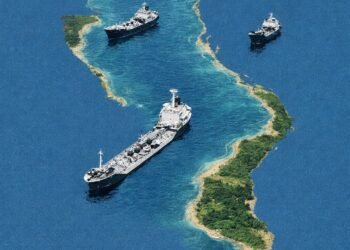
Sri Lanka has declared Wednesdays a weekly public holiday to conserve fuel as the U.S.-Israel war with Iran chokes off the Strait of Hormuz, through which nearly 90% of the oil and gas bound for Asia once flowed.
“We must prepare for the worst, but hope for the best,” President Anura Kumara Dissanayake told an emergency meeting of senior officials Monday.
The four-day work week applies to all public institutions except those providing essential services like health and immigration. Authorities chose Wednesday over Friday to avoid creating three consecutive days off.
The Rationing Reality
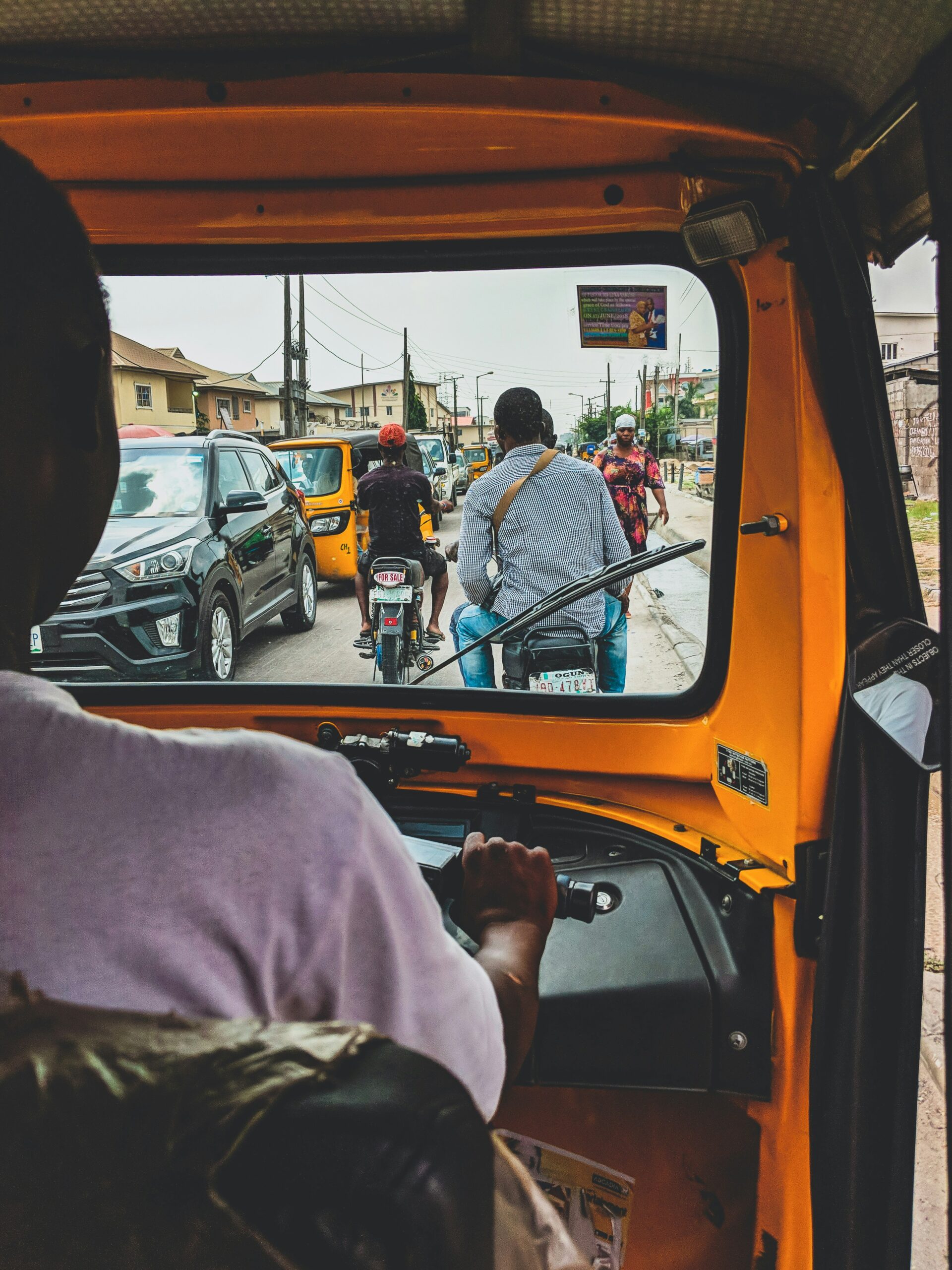
Private car owners now get 15 litres of fuel per week. Motorcyclists get five litres. To buy even that, they must register for a National Fuel Pass — a rationing system first implemented during Sri Lanka’s 2022 economic collapse.
Some Sri Lankans are unhappy with the quotas, which they feel are painfully low. But the alternative — no fuel at all — is worse.
Across the island nation, the message is the same: the war 4,000 kilometers away has reached your gas tank.
Asia’s Austerity Wave
Sri Lanka is not alone. From Southeast Asia to the subcontinent, nations that import the vast majority of their energy are scrambling to cope with the closure of the world’s most important oil route.
Thailand is urging office workers to swap suits for short-sleeved shirts — a simple way to reduce air conditioning use and save power.
Myanmar has imposed odd-even driving restrictions: vehicles with license plates ending in odd numbers can drive on certain days, even on others.
Bangladesh has brought forward Ramadan holidays for universities and introduced planned blackouts nationwide to conserve energy.
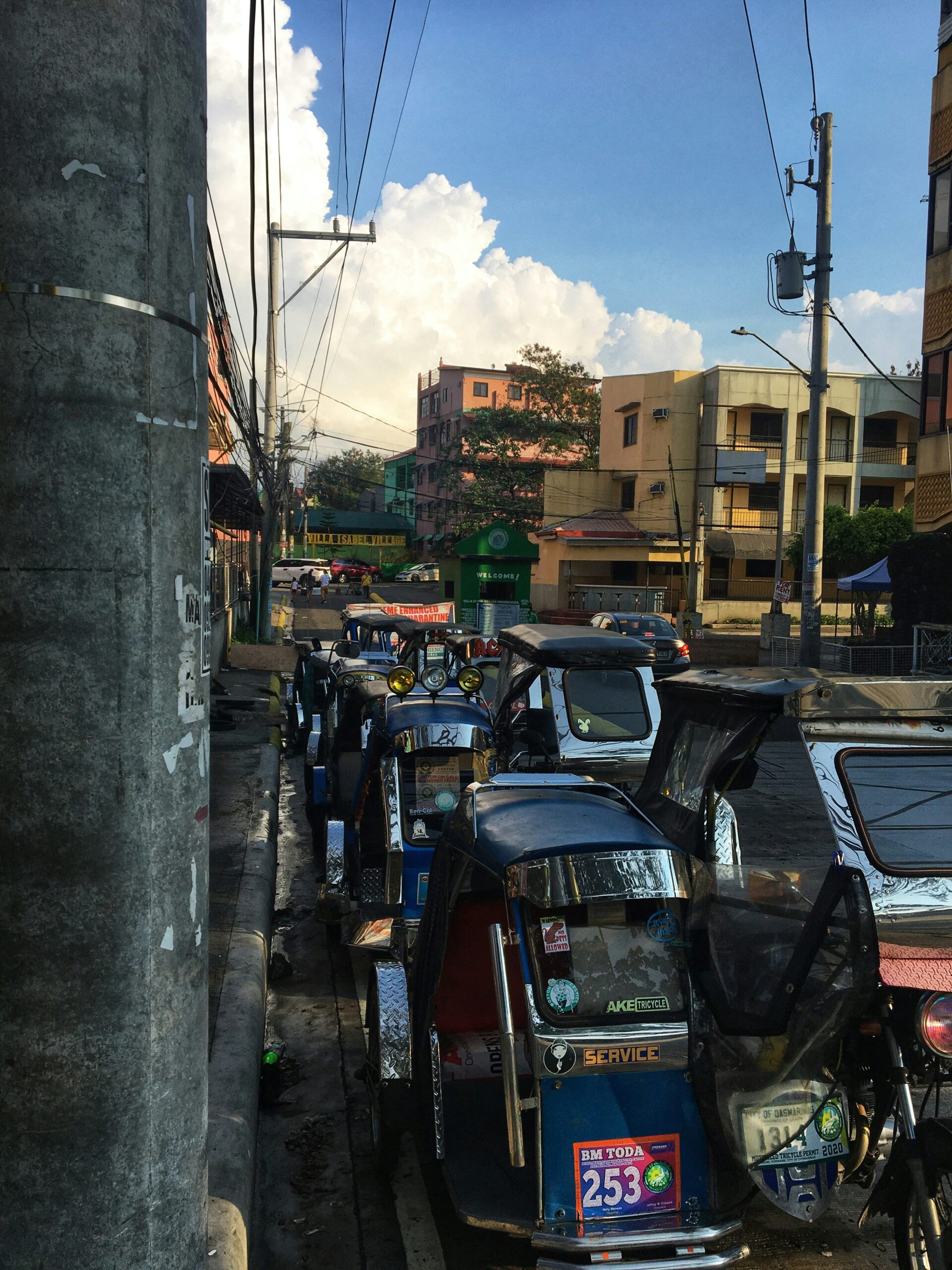
The Philippines has mandated work-from-home at least one day a week for some government offices. President Ferdinand Marcos Jr banned non-essential public sector travel and announced cash assistance for tricycle drivers, farmers, and fishermen — 3,000 to 5,000 pesos ($50-$84) each — to help them cope with rising prices.
Vietnam is urging citizens to stay home more, “ride bicycles, carpool, use public transport, and restrict personal vehicle use when unnecessary”.
The unifying theme was captured by Marcos: “We are victims of a war that is not of our choosing”.
The Global Context
Oil prices have soared since the U.S. and Israel began bombing Iran late last month, now hovering around $100 a barrel. The Strait of Hormuz, through which 20% of the world’s oil once passed, remains effectively closed.
For Asia — the world’s largest oil-importing region — the impact is existential. Nearly 90% of all oil and gas that flowed through the strait last year was destined for Asian markets.
That flow has stopped. And no amount of rationing can fully replace it.
What Comes Next
Sri Lanka’s four-day work week begins immediately. Other nations will implement their measures in the coming days.
But no one knows how long the war will last, or when — or if — the strait will reopen. Until then, Asia’s 4.5 billion people must learn to live with less.