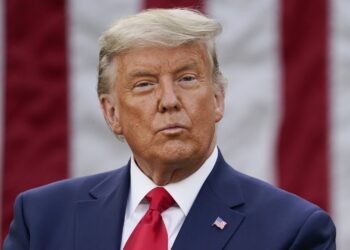
The world’s most important bilateral relationship is currently walking a tightrope between a historic trade deal and a catastrophic military conflict. During a summit in Beijing on May 14, 2026, Chinese President Xi Jinping issued a blunt warning to President Donald Trump: if the “Taiwan question” is not handled with extreme care, the two superpowers are headed for direct “clashes and even conflicts.”
The Red Line: “Fire and Water”
While the White House focused its public comments on trade and economic cooperation, Chinese state media painted a much more aggressive picture of the closed-door talks. According to readouts from the Chinese Foreign Ministry, Xi used vivid imagery to describe the tension. Xi reportedly told Trump that “Taiwan independence” and peace are as irreconcilable as “fire and water.”
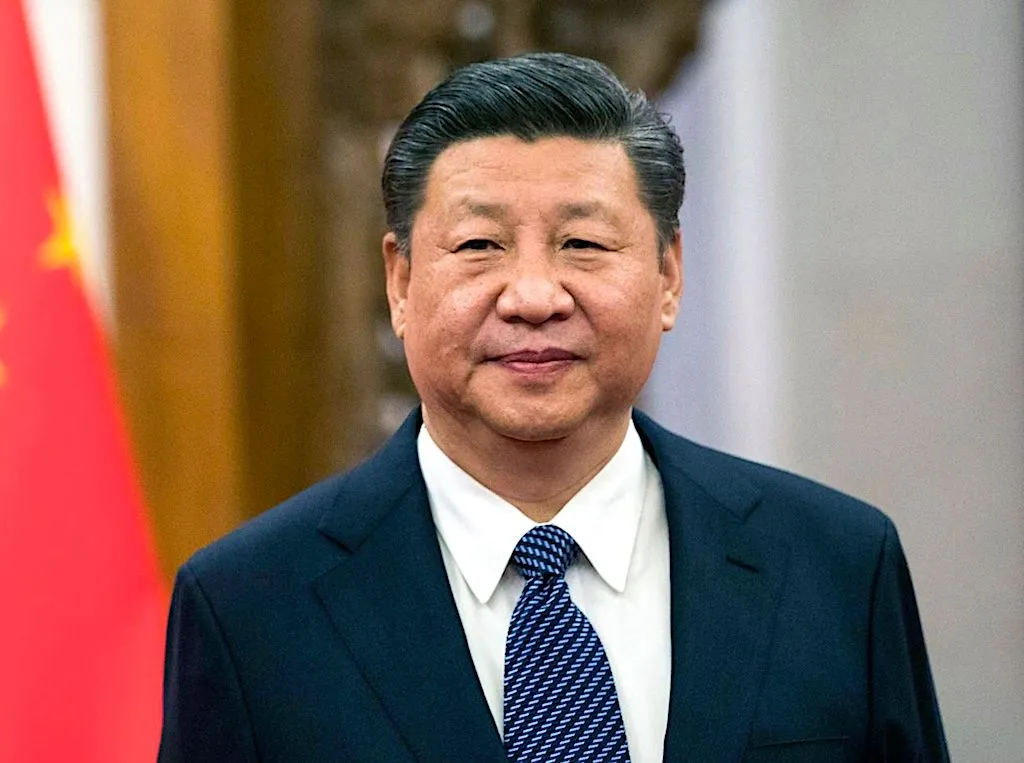
Xi stressed that the stability of the entire U.S.-China relationship depends solely on how Washington handles Taiwan. China reiterated its long-standing position that it will use force if necessary to reintegrate the island democracy.
The Dangerous Game of “Strategic Ambiguity”
President Trump is attempting to use his personal relationship with Xi and the presence of tech giants like Elon Musk and Jensen Huang to “open up” China. However, Xi is making it clear that no amount of trade or semiconductor access, even from Nvidia or Apple, will buy China’s silence on Taiwan.
I find it concerning that while American CEOs are smiling for photos at the Great Hall of the People, the Chinese government is using words like “conflict” and “clashes.” It feels like the U.S. is trying to talk about business while China is talking about borders. If Trump thinks he can negotiate Taiwan’s status in exchange for a better trade deal or a “win” on Iran, he is severely underestimating Beijing’s resolve.
The Economic Shield
Despite the warnings of war, the room was filled with the world’s most powerful tech leaders. The presence of Nvidia’s Jensen Huang and Tesla’s Elon Musk underscores why Taiwan is so vital: it produces the vast majority of the world’s advanced semiconductors. Treasury Secretary Scott Bessent noted that the two “AI superpowers” are finally talking about safety regulations. Trump introduced each CEO individually, hoping to secure broader prospects for U.S. companies in the Chinese market.
Leaders in Taiwan worry that their democracy might become a “bargaining chip” in Trump’s pursuit of a legacy-defining trade agreement.
A Fragile Peace
The summit ended with a state banquet and talk of a “fantastic future together,” but the underlying threat remains. As the U.S. remains bogged down in a war with Iran and struggles to keep the Strait of Hormuz open, China sees a window of opportunity. The September 24 visit by Xi to the White House will likely be the moment of truth. If the “Taiwan question” isn’t answered by then, the “fire and water” Xi warned about may finally boil over.