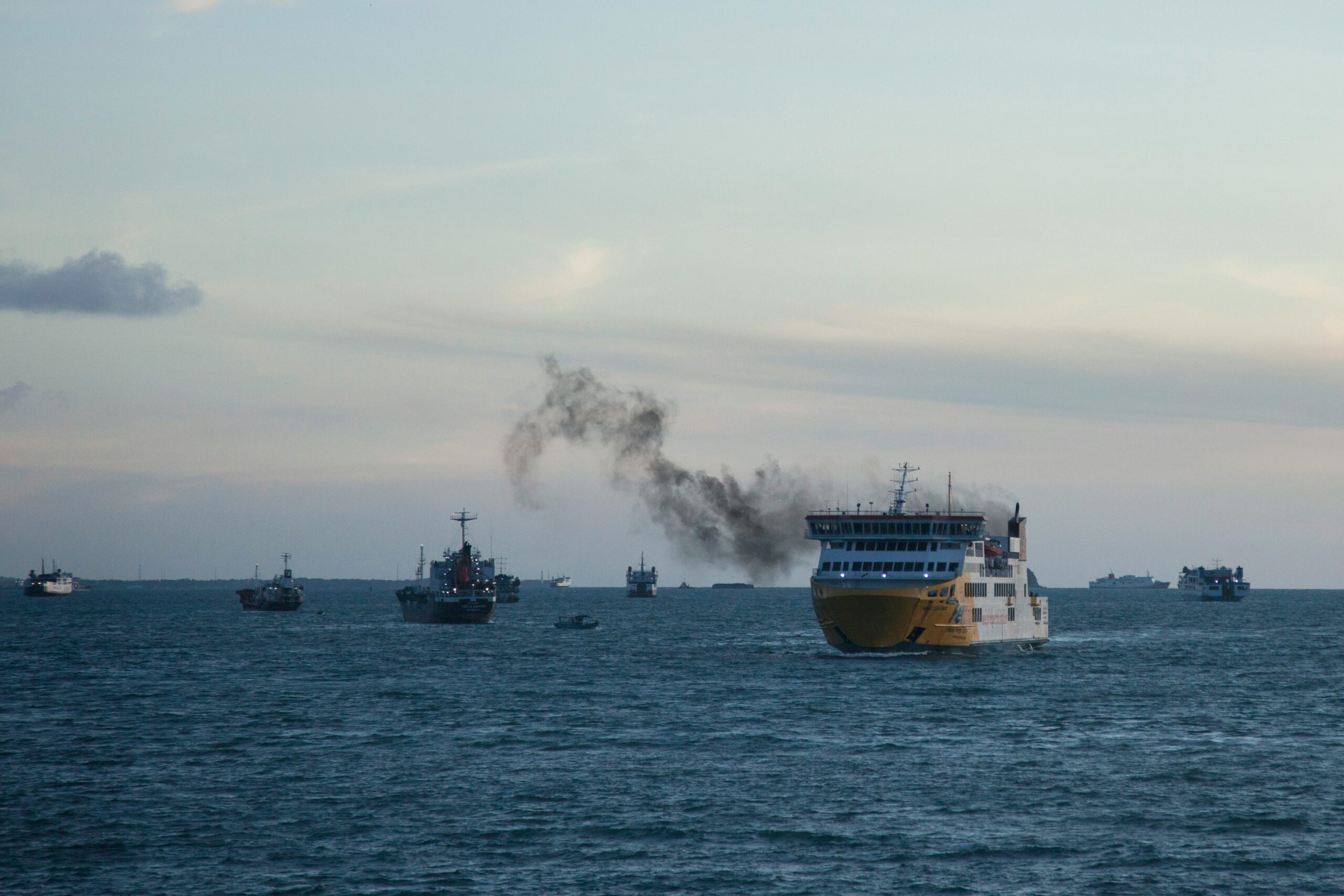

Iran has officially designated Spain as a “country committed to international law.” Consequently, the Iranian embassy has confirmed that any request from Madrid regarding the passage of Spanish oil tankers through the Strait of Hormuz will be met with receptiveness. This development follows Spain’s vocal condemnation of U.S.-Israeli strikes, which the Spanish government previously denounced as illegal and reckless.
The Criteria for “Non-Hostile” Transit
The opening for Spanish oil tankers is not an isolated incident but part of a broader Iranian strategy to reward neutral or supportive nations. By coordinating with Iranian authorities, “non-hostile” vessels are beginning to trickle through the Strait of Hormuz again.
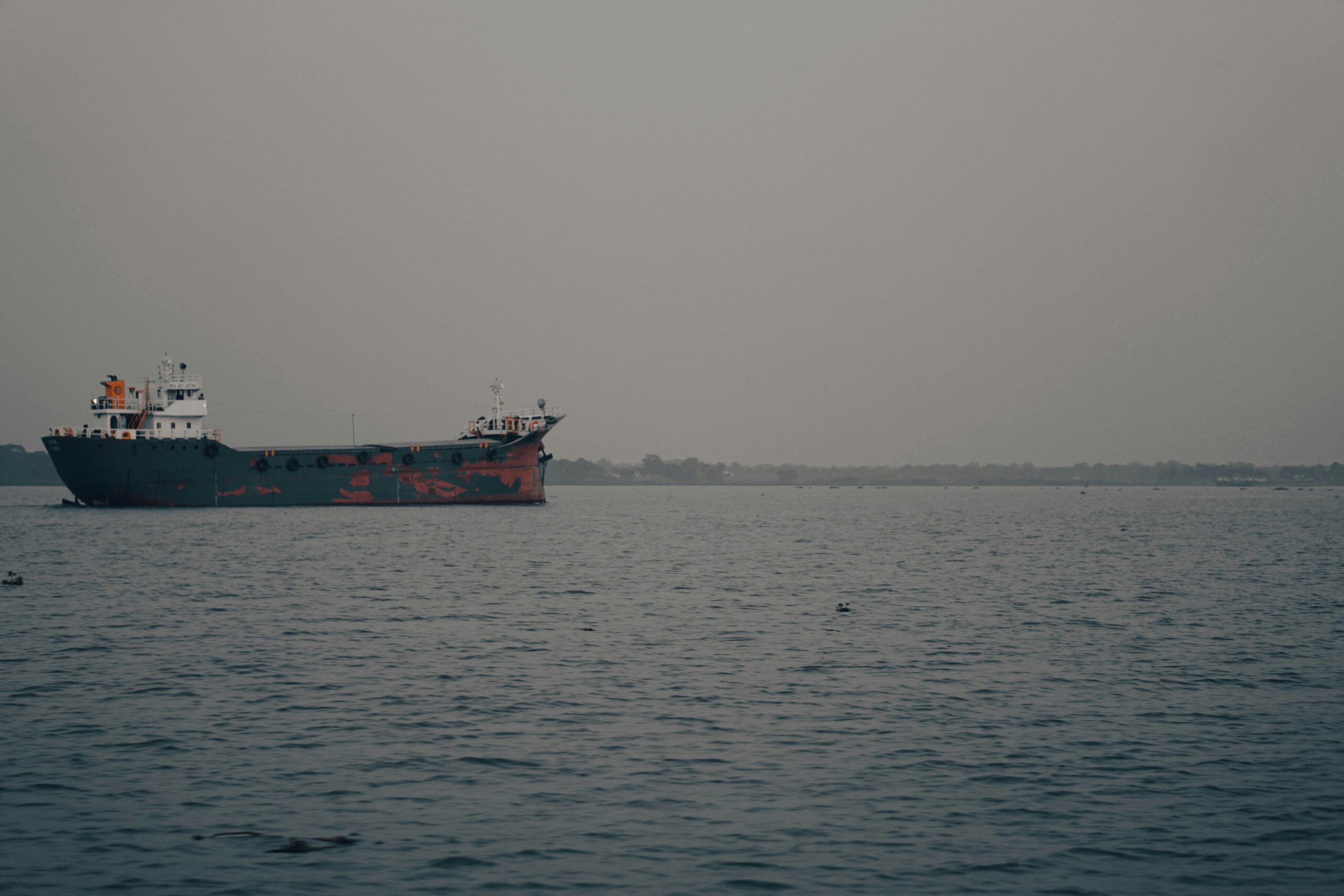
A Thai oil tanker recently completed a safe transit, and Malaysian vessels have also been granted clearance following high-level diplomatic negotiations. Although Spain’s merchant fleet is at a 20-year low with only 91 vessels, including 6 oil tankers and 13 gas carriers, this concession provides a critical energy lifeline for Madrid. President Donald Trump has even suggested that Iran permit a “goodwill” transit of 10 tankers, including Pakistan-flagged ships, as a sign of progress in the 15-point peace plan deliberations.
A Strategy of Strategic Division
By allowing Spanish oil tankers to bypass the blockade, Iran is effectively testing the unity of the European Union. While France is reportedly approaching 35 countries to form a future military mission to protect the Strait of Hormuz, Spain’s independent diplomatic path has secured it immediate economic relief. This “pick-and-choose” blockade serves a dual purpose: it keeps one-fifth of the world’s oil supply under Iranian control while incentivizing other nations to distance themselves from the U.S.-led “Operation Epic Fury.”
The Cost of Compliance
The decision to favor Spanish oil tankers is a masterclass in soft-power leverage. Iran is showing the world that the “chokehold” on the Strait of Hormuz is a dial, not a switch. By turning that dial for Spain, Tehran is signaling to other EU nations that energy security is available for the price of diplomatic “respect.”
However, this creates a dangerous precedent for Madrid. Accepting these terms could alienate Spain from its NATO allies, who view the blockade as an act of international piracy. As Norway slashes fuel taxes and the World Bank prepares financial aid for war-impacted nations, Spain’s “special relationship” with the Iranian embassy might keep its lights on, but it places them in the crosshairs of a very angry White House.