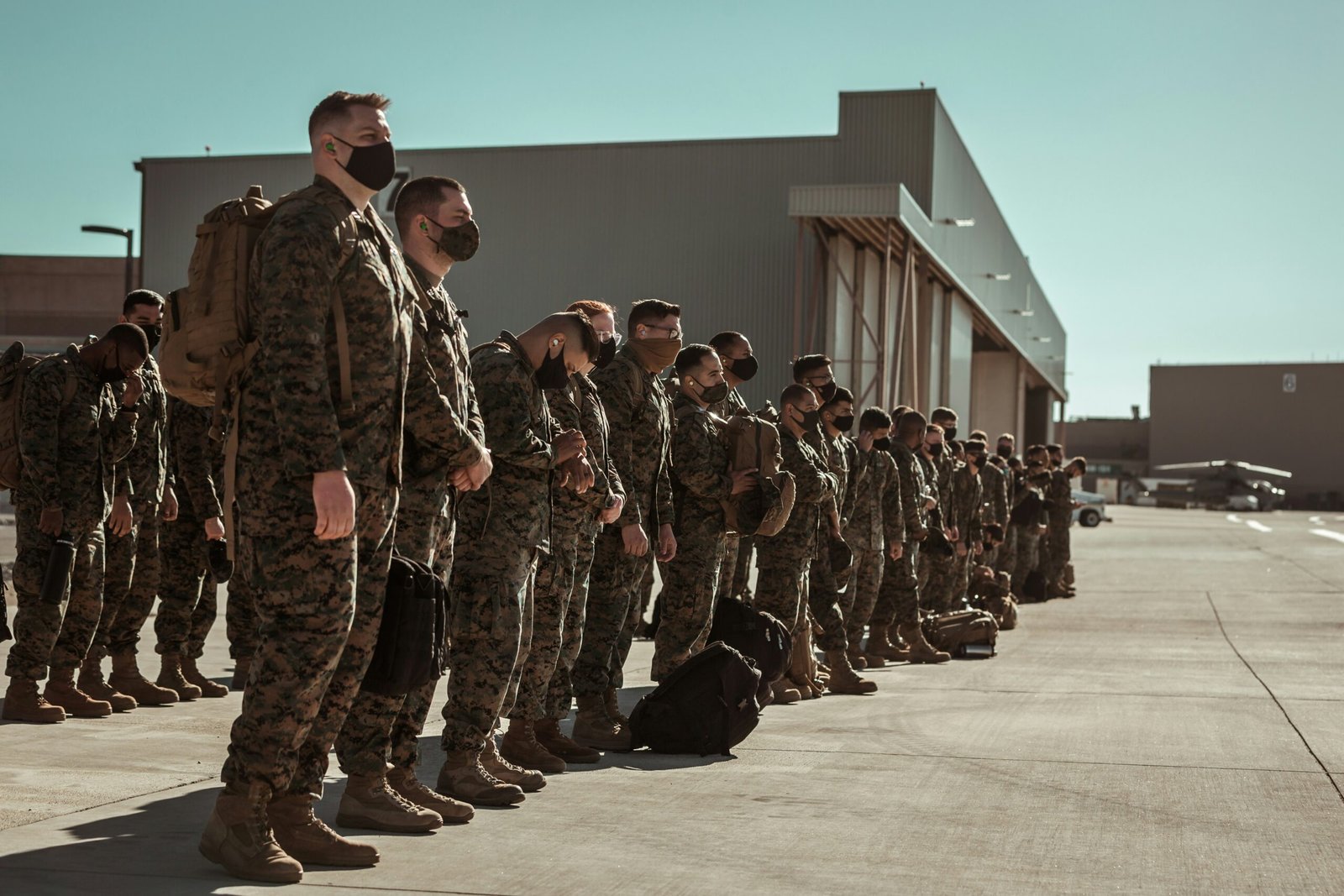

While the U.S. and Israel initiated the conflict on February 28, the Iranian counter-response has been surgically focused on American infrastructure. According to insiders, Iran Has Caused Billions in Damage to US Military Bases, systematically targeting the logistical and command-and-control hubs that allow the U.S. to project power in the region.
The Destruction Map: A Trail of Ruin
The strikes were not limited to a single front but spanned multiple allied nations hosting U.S. personnel. An Iranian F-5 fighter jet successfully struck Camp Buehring in the opening days of the war. Subsequent assessments by the American Enterprise Institute (AEI) show extensive damage to Ali Al Salem Air Base and Shuaiba Port. Fuel storage, medical clinics, and barracks were decimated at Al Dhafra and Prince Sultan Air Bases. The headquarters of the U.S. Navy Fifth Fleet was hit so hard that repairs to the building alone could reach $200 million.

Hardware Losses: High-Tech Junk
The $5 billion estimate only covers the “bricks and mortar.” It does not account for the high-end military hardware that was either destroyed or rendered unsalvageable. A dozen MQ-9 Reaper drones, the eyes and ears of the U.S. military, have been lost. Two MC-130 tankers and a vital E-3 Sentry (AWACS) plane were among the assets struck in hangar fires and runway bombardments. Several air defense systems and high-end radar arrays, essential for detecting incoming missiles, were reportedly blinded in the coordinated strikes.
“The potential future costs to rebuild American military infrastructure overseas may include repair, reconstruction, or even abandonment of locales.” — Mackenzie Eaglen, AEI Senior Fellow.
A Transparency Crisis in D.C.
The news that Iran has caused billions in damage to US military bases has ignited a firestorm on Capitol Hill. While the Pentagon reported spending $11.3 billion in the first six days of the war, they have been remarkably quiet about the bill for the incoming fire.
Congressional aides complain that “no one knows anything,” even as the administration asks for a record-high military budget. With $5.6 billion spent on U.S. munitions in just the first 48 hours of the war, the total cost of the conflict, including these new repair estimates, is rapidly spiraling toward a fiscal catastrophe that could define the 2026 midterm elections.
As the ceasefire remains on life support and peace talks in Islamabad stall, the realization that Iran has caused billions in damage to US Military bases serves as a crazy reminder that “winning” the war may come at a price the U.S. treasury can ill afford.