

Florida lawmakers have approved new congressional maps that could help Republicans maintain control of the thinly divided US House of Representatives in the midterm elections this year. Governor Ron DeSantis is expected to sign the measure into law, which could allow Republicans to gain as many as four House seats.
The move comes hours after the US Supreme Court limited the ability of lawmakers to take the racial makeup of a state into account when drawing voting maps. The timing was not accidental. The court gave states a green light. Florida stepped on the gas.
The New Math
Florida currently has 20 Republicans in the House and seven Democrats, with one vacant Democratic-leaning seat. The new map, approved in a 21-17 vote by state legislatures, seeks to reduce Democratic-leaning districts in Tampa, Orlando, and parts of the state’s southeast coast, according to CBS.
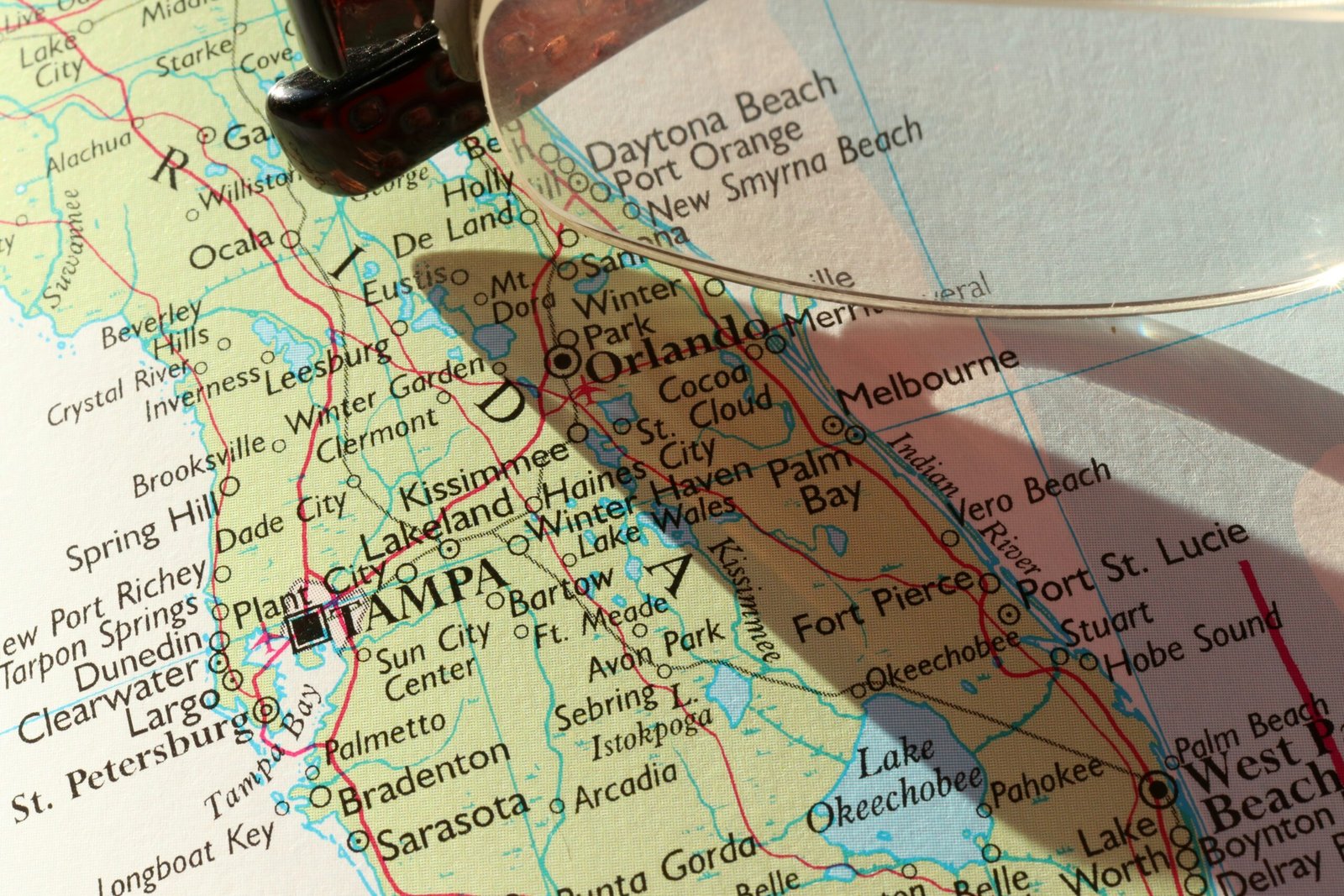
Each of the newly drawn districts could play a role in determining which political party takes the House. If DeSantis signs the bill — and he has already indicated he will — Republicans could gain as many as four seats. In a House that is narrowly divided, four seats are not a margin. They are a firewall.
Governor DeSantis wrote on social media on Wednesday that he had predicted the Supreme Court would weaken the Voting Rights Act in a manner that would support redistricting in his state. He said the ruling “invalidates” a Florida constitutional provision requiring the use of race in redistricting. In plain English, the governor believes the court has removed a key obstacle to partisan map-drawing.
The National Redistricting Arms Race
Florida is the latest to join a national redistricting arms race that began after President Donald Trump urged conservative states to re-examine voting maps to help Republicans keep the congressional majority. The midterm elections, which will decide who controls Congress, will take place in November.
An array of states have jumped into the redistricting race. Texas started the battle by reshaping districts to give Republicans an edge in five new districts. California replied with voters approving a measure that canceled out those gains with maps that would give Democrats an edge, also in five districts. Earlier this month, Virginia voters approved a redistricting measure that could have potentially allowed Democrats to gain more seats in total.
But if Florida’s bill is signed into law, Republicans will seemingly have a net gain. That could tip the scales in the closely watched midterm elections. The partisan ping-pong is not accidental. Both parties understand that control of the House is not just about who voters choose. It is about which voters are grouped together — and which are split apart.
The Supreme Court’s Role
The Florida legislature’s approval of a new map came hours after the US Supreme Court weakened the Voting Rights Act in a ruling that could reshape politics across the American South. The court’s decision limited the ability of lawmakers to consider race when drawing voting maps. The practical effect is that states like Florida, with significant minority populations, can now draw maps that prioritize partisan advantage without the same level of scrutiny.
In the US, gerrymandering — the redrawing of electoral boundaries to favour a political party — is only illegal if it is based on race. The Supreme Court just made it harder to prove that race was the motivating factor. For Republican map drawers in Florida, that is an invitation.
DeSantis wrote on social media that the ruling “invalidates” a Florida constitutional provision requiring the use of race in redistricting. If the governor is correct, then the only legal barrier to aggressive partisan gerrymandering in Florida has been removed.
The Stakes for 2026
Historically, the party of the sitting president tends to lose House seats during the midterms. If Democrats win the House in this November’s contest, it will not only serve a blow to Trump’s political agenda, but it could open him up to Democratic-led congressional investigations.
Florida’s new maps are designed to prevent that scenario. By reducing Democratic-leaning districts in key areas, Republicans are trying to build a buffer against the natural midterm backlash. The maps do not guarantee a Republican majority. But they make a Democratic takeover significantly harder.
For Democrats, the news is grim. Florida was already a challenging state. With the new maps, it may become unwinnable for Democratic House candidates in all but a few districts. The party’s only hope is to challenge the maps in court — but the Supreme Court’s recent ruling makes that path much steeper.
The Bottom Line
Florida lawmakers have approved new congressional maps that could allow Republicans to gain as many as four House seats in the midterm elections. Governor Ron DeSantis is expected to sign the measure into law. The approval came hours after the US Supreme Court limited the ability of lawmakers to take race into account when drawing voting maps — a ruling DeSantis says “invalidates” Florida’s constitutional provision requiring the use of race in redistricting.
Florida currently has 20 Republicans in the House and seven Democrats, with one vacant Democratic-leaning seat. The new map seeks to reduce Democratic-leaning districts in Tampa, Orlando, and southeast Florida. If signed, Republicans could gain a net advantage that tips the scales in the closely watched midterm elections.
The national redistricting arms race continues. Texas, California, and Virginia have all made moves. But Florida’s aggressive gerrymander may be the decisive blow. Democrats stand to lose seats they cannot afford to lose. And in a House where every seat matters, Florida just made sure that the playing field is anything but level.