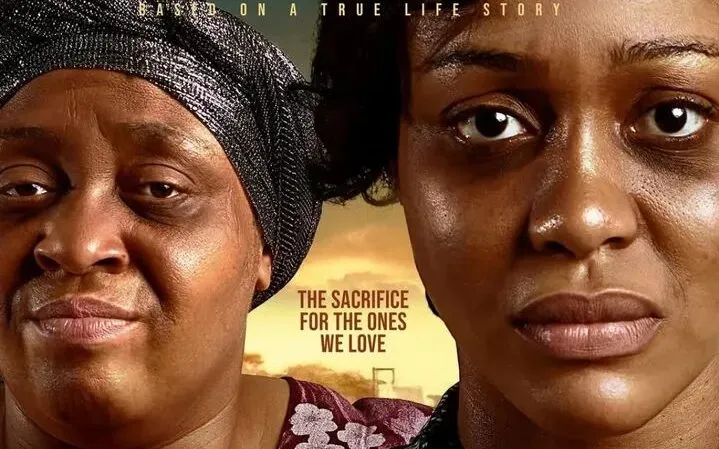

Ever since Monica Part 2 dropped on YouTube, fans have refused to move on. Social media has been flooded with endless conversations, theories, and emotional demands for a third installment of the hit drama series led by Uche Montana.
But while viewers continue pushing for Monica Part 3, some movie lovers believe the story has already reached its natural conclusion and should be left alone before it loses its emotional impact.
According to passionate reactions online, many fans are forgetting one important thing: Monica was never designed to become an endless series.
“This is not a Zee World telenovela where episodes keep multiplying because audiences are emotionally attached,” one fan joked while reacting to growing calls for another sequel.
The argument is simple. Sometimes a story ends exactly where it is supposed to end.
Fans Already Imagine Wild Storylines For Part 3
Interestingly, viewers have already started creating fictional scenarios about what a third party would look like if it ever happened.
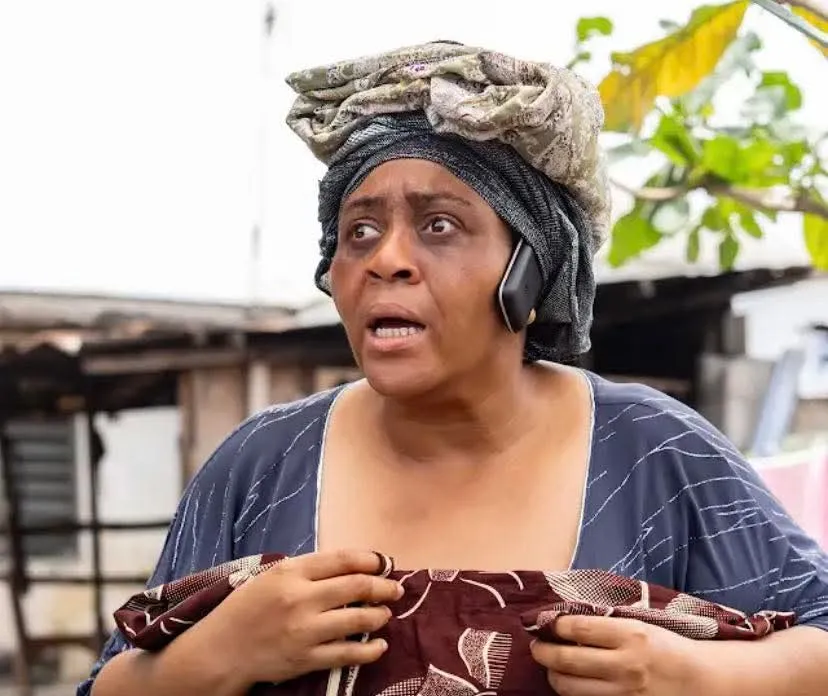
Some jokingly imagined that Bobo could eventually discover through a DNA test that Sharon’s child was never his in the first place. Others imagined Chika losing everything and ending up struggling on the streets of Jikwoyi after her actions finally catch up with her.
Another humorous theory claimed Mama Monica might eventually destroy the family goats simply because of the noise they made around the compound.
Even Monica’s husband, Neato, was not spared from the fan-generated chaos.
According to some dramatic online reactions, Neato could allegedly abandon Monica for a wealthy Abuja sugar mummy living in Maitama if a Part 3 ever became reality.
The jokes may sound funny, but they highlight an important reality: audiences often continue stories in their imagination long after filmmakers have officially ended them.
The Original Plan Was Never A Part 2
What many viewers reportedly do not know is that Monica was initially meant to end after the first movie.
The original conclusion already carried suspense, emotional closure, and a sense of uncertainty that allowed viewers to imagine what happened next.
Sources close to the production revealed that Uche Montana had reportedly planned to move on after completing the first installment. At the time, Monica’s story appeared finished, and the actress herself was allegedly preparing for other personal and professional commitments, including travel plans.
However, the overwhelming reaction from audiences changed everything.
Fans continuously demanded answers, closure, and continuation. The pressure became impossible to ignore, leading to the creation of Monica Part 2.
To make the sequel work, parts of the original ending reportedly had to be adjusted creatively, including transforming previous scenes into dream-like sequences that reopened the story.
The effort behind returning for Part 2 was also bigger than many fans realized.
According to discussions online, the tailoring shop used in the movie had already been fenced off after filming for Part 1 wrapped. Production teams allegedly had to physically reopen the location just to continue filming the sequel.
Ironically, the gamble paid off.
Many viewers now believe Part 2 became even more successful and emotionally satisfying than the original film itself.
Understanding Monica’s Genre Matters
Part of the confusion surrounding demands for another sequel may come from misunderstanding the type of story Monica actually is.
The film largely operates within the structure of a tragic comedy—a genre where characters experience pain, chaos, betrayal, and emotional suffering before eventually arriving at healing or redemption.
That journey requires sacrifices.
Certain characters were always going to lose. Some relationships were destined to break. Others had to face consequences for their actions.
Those painful moments were not writing mistakes. They were part of the emotional cost of the narrative.
By the end of Part 2, Monica’s journey had already reached completion. She survived hardship, emotional battles, and family struggles before finally arriving at peace and happiness.
From a storytelling perspective, that is closure.
Not Every Character Needs A Full Explanation
One major issue modern audiences sometimes struggle with is accepting implied endings.
Not every supporting character needs a detailed future storyline explained on screen. Sometimes, filmmakers intentionally leave certain outcomes open-ended so viewers can imagine the rest themselves.
That unfinished space is part of what keeps stories alive emotionally.
What eventually happens to Chika, Bobo Leta, Mama Monica, or the other characters after the final scene is left for the audience to interpret privately.
And perhaps that is exactly how it should remain.
For many viewers, Monica already delivered heartbreak, laughter, chaos, suspense, and ultimately victory. Stretching the story beyond its natural ending could risk weakening the emotional impact that made audiences connect with it in the first place.
Sometimes, the best way to honor a beloved story is simply to let it end well.