
Russian President Vladimir Putin has presided over a significantly reduced Victory Day parade on Moscow’s Red Square, following the start of a three-day ceasefire between Russia and Ukraine.
The annual May 9 event marks the Soviet Union’s victory over Nazi Germany in World War II and is typically used by the Kremlin to project military strength. However, this year’s ceremony saw no display of heavy military equipment, a major departure from tradition and the first of its kind in nearly two decades.
During his address, Putin again linked Russia’s ongoing war in Ukraine to the country’s WWII legacy.
“The great feat of the victorious generation inspires the soldiers carrying out tasks of the special military operation today. They are standing up to an aggressive force armed and supported by the entire NATO bloc,” Putin said Saturday. “And yet, our heroes march forward.”
Instead of showcasing military hardware, authorities aired a pre-recorded video of Russian forces on the battlefield across screens in Red Square and state television.
The decision to scale back the parade followed intensified Ukrainian strikes on Russian territory in recent weeks, particularly targeting energy infrastructure, while Moscow continues its offensive in Ukraine.
Ahead of the event, US President Donald Trump announced that both Russia and Ukraine had agreed to a three-day ceasefire from May 9 to May 11, including a prisoner swap arrangement. The Kremlin and Ukrainian President Volodymyr Zelenskyy confirmed the agreement, with Zelenskyy stating the exchange would involve “1,000 for 1,000” prisoners.
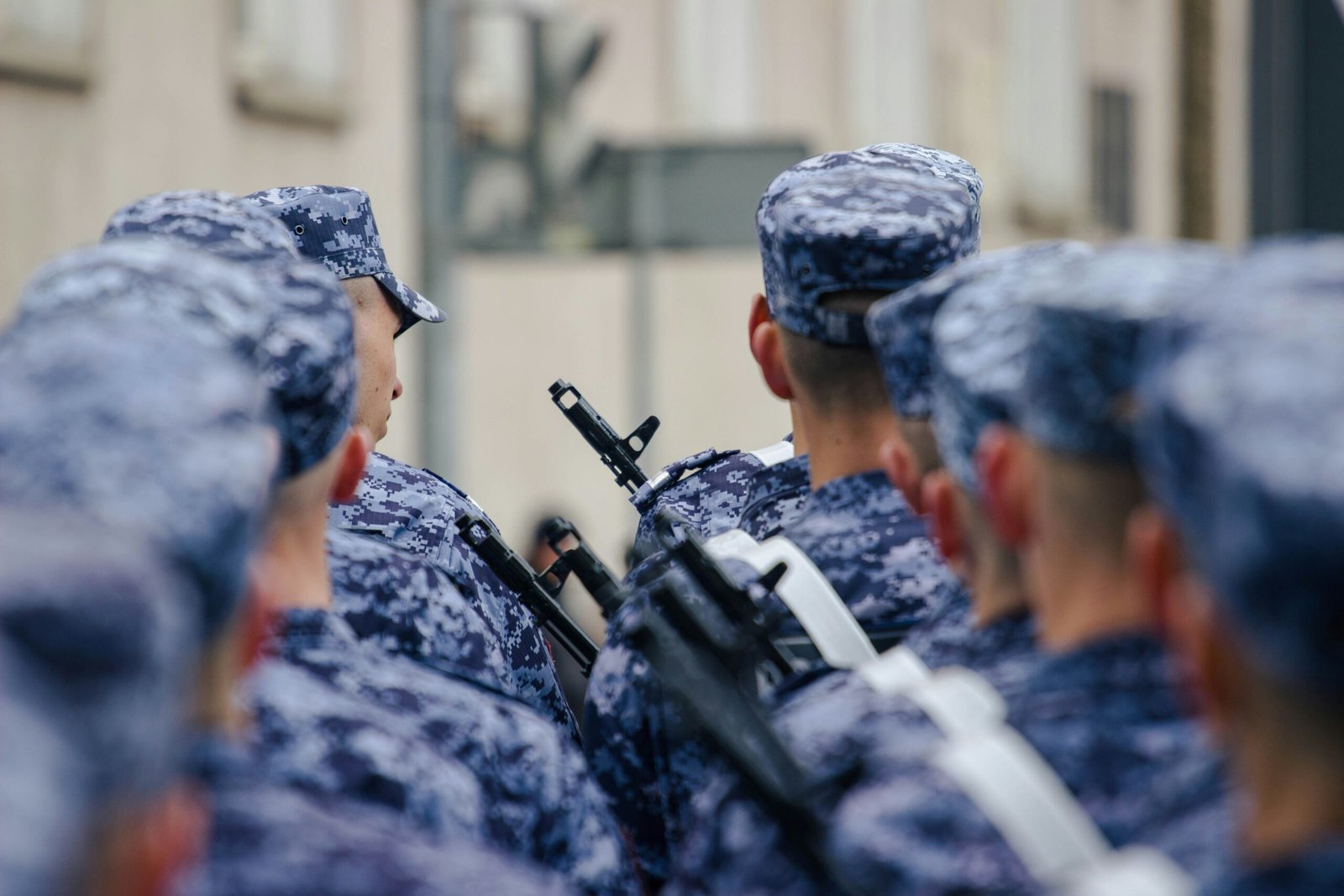
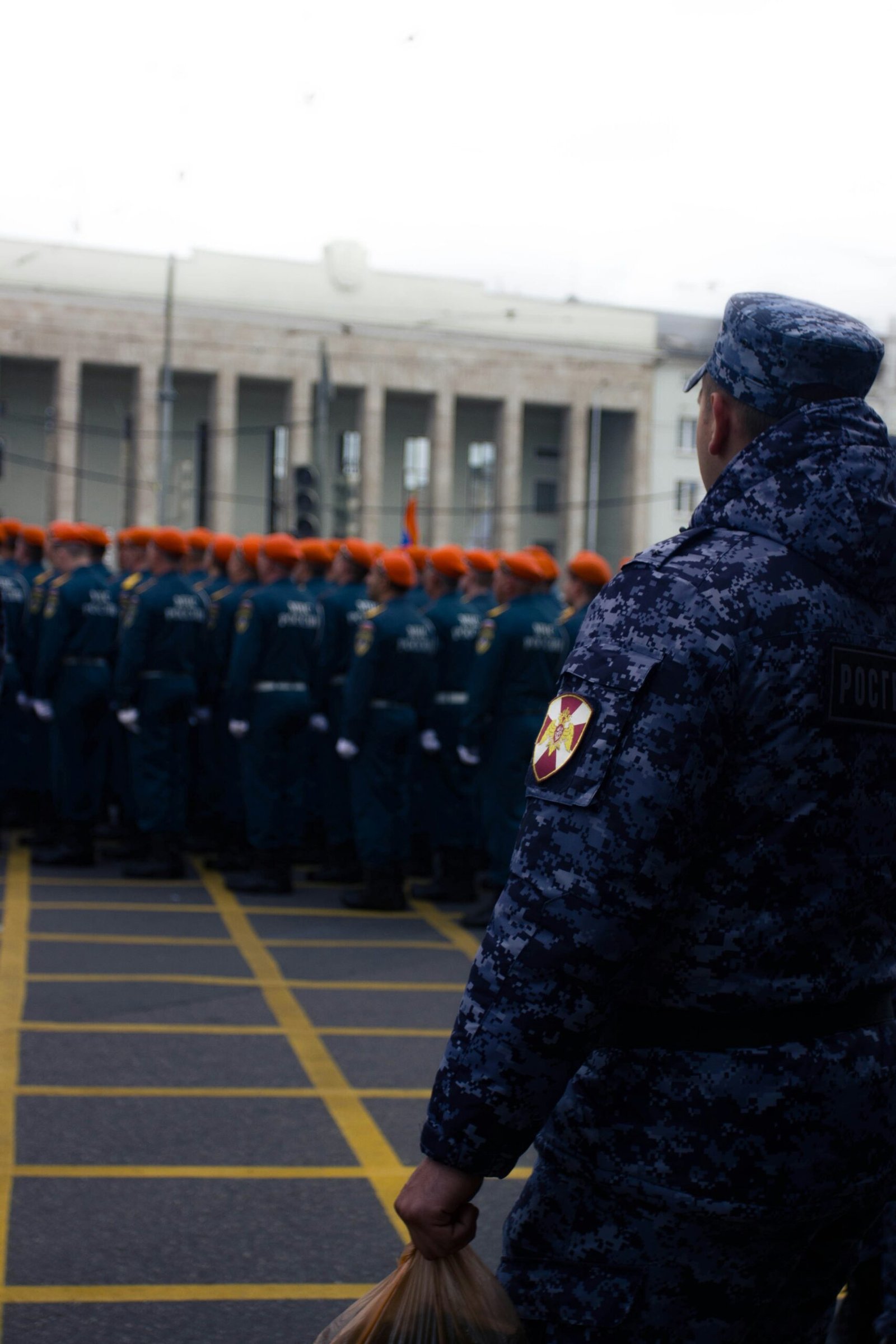
The parade still featured a flyover by fighter jets and marching soldiers in Red Square, but access for international media was heavily restricted, with many journalists, including CNN, barred from attending.
Russian state media reported that more than 1,000 troops involved in what Moscow calls its “special military operation” took part in the parade, alongside delegations from North Korea.
Putin has repeatedly framed the war in Ukraine as a continuation of the Soviet struggle in World War II, a message reinforced during the ceremony with a WWII veteran seated beside him, alongside a decorated soldier from the ongoing conflict.
Around 27 million Soviet citizens, including millions from Ukraine, died during WWII, a historical reference frequently invoked by the Kremlin.
The scaled-back event also came amid economic pressures and tighter domestic restrictions in Russia, including temporary mobile internet limitations in Moscow for security reasons during the celebrations.
Leaders from Belarus, Kazakhstan, Uzbekistan, and Malaysia attended the parade alongside other international guests.