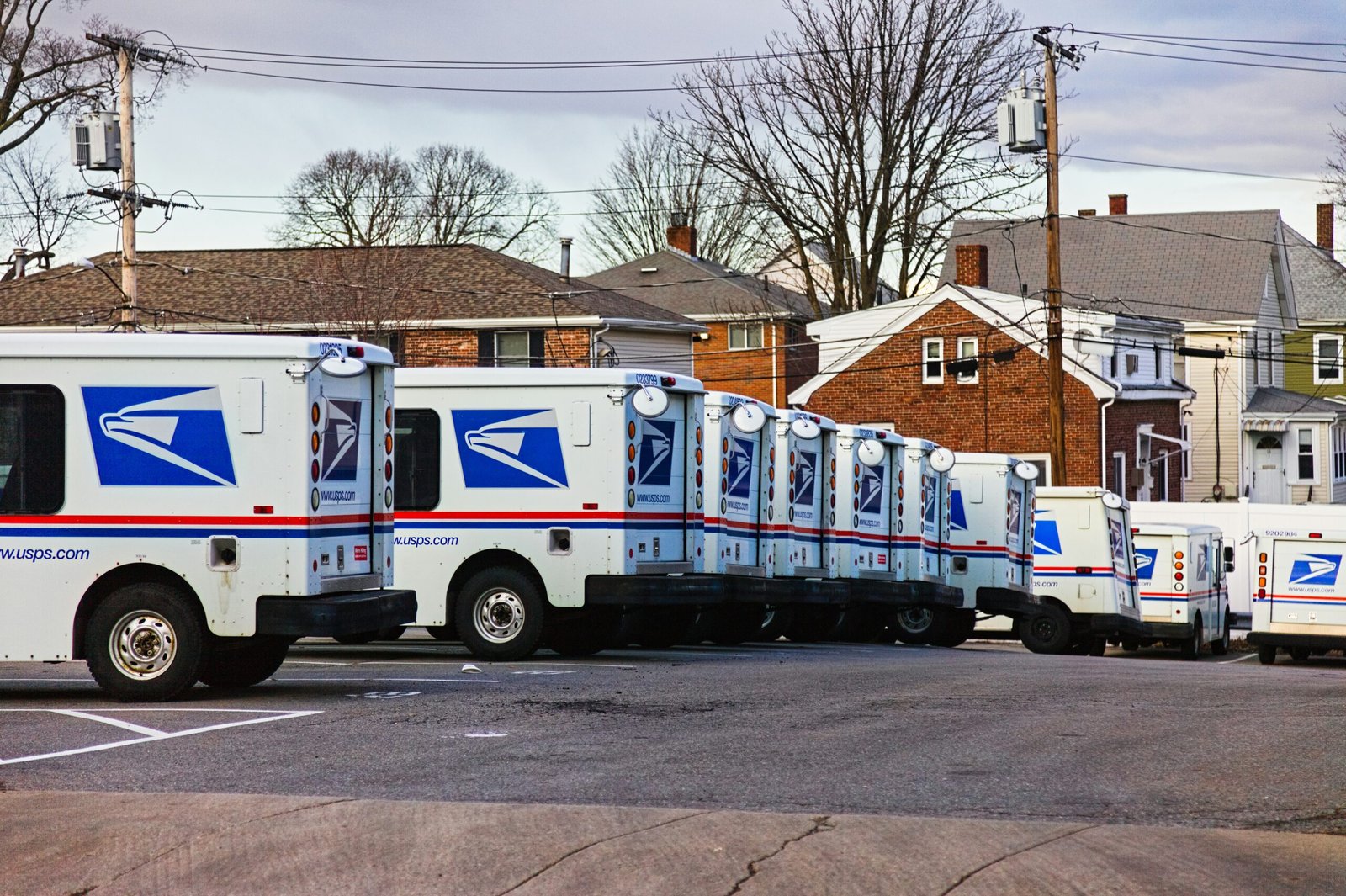

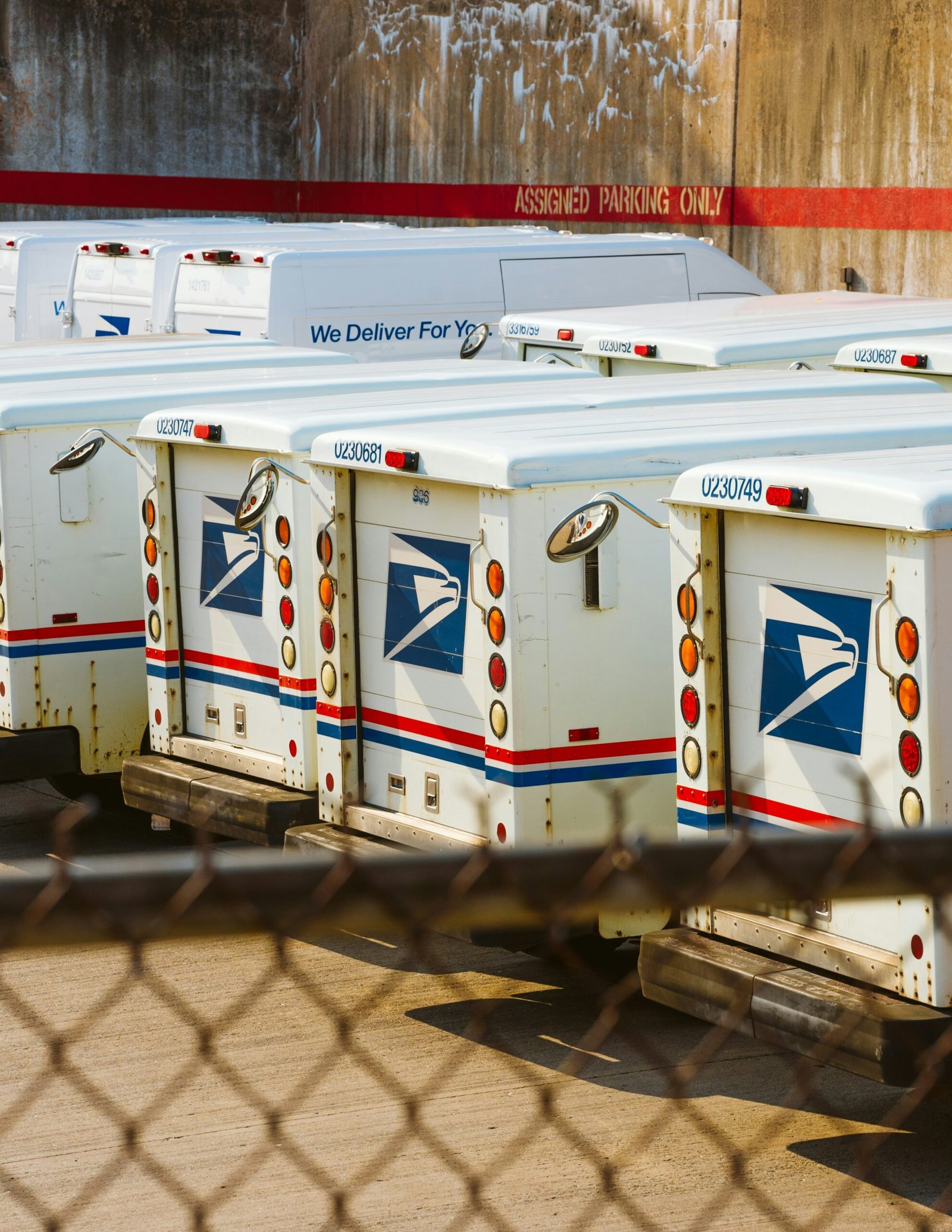
The United States Postal Service (USPS) has reported a $2 billion net loss for the second quarter of fiscal 2026, despite posting higher revenue and reduced overall expenses, underscoring ongoing financial strain within the agency.
For the quarter ending March 31, USPS recorded $20.2 billion in operating revenue, a 2.3% increase compared to the same period last year. However, operating expenses stood at $22.1 billion, down 4.1% year-on-year.
The agency attributed the revenue growth to increased prices for shipping, parcel delivery, and other premium mail services, even as demand in those categories continued to decline.
Mail volume also fell during the period, dropping 3.4% to 25.6 billion pieces. First-Class Mail experienced the sharpest reduction, down 6.3%.
Postmaster General David Steiner said the agency had made some progress but warned that its financial position remains fragile.
“During the quarter, we were able to get revenue, cost and service results moving in the right direction,” Steiner said. “However, the scale of our financial improvements compared to the prior year was modest and we have a long road to go to achieve anything close to long-term financial sustainability.”
He also described the agency’s situation as critical, noting that USPS is currently operating under severe cash constraints.
USPS has consistently posted annual losses since 2007 and has been warned it could exhaust available cash by early 2027 if no intervention occurs.
The postal service is now seeking approval from Congress to raise its borrowing limit from $15 billion to $34.5 billion to maintain operations.
“To avoid disruption and to sustain our role supporting American commerce and the public, we require urgent Congressional action to expand our borrowing authority and to address outdated constraints on the organization,” Steiner added.
The agency has also faced political debate in recent years. Former President Donald Trump once suggested merging USPS with his administration, calling it a “tremendous loser,” a proposal that drew criticism from Democrats who warned it could undermine the service’s independence and affect delivery, especially in rural communities.