In the wake of the May 2026 local elections, the “historic shift” Nigel Farage promised has arrived. With Farage’s Reform UK party securing massive gains across England, Wales, and Scotland, the implications for the Nigerian diaspora and the broader Commonwealth community are no longer theoretical; they are an immediate concern.
If Nigel Farage is indeed the “Trump of Britain,” his ascent signals a new era of hardline immigration policies that could fundamentally alter the lives of Nigerians living in or planning to move to the UK.
The “Farage Surge”: Breaking the Two-Party Grip
For decades, British politics was a binary tug-of-war between Labour and the Conservatives. That era is over. The 2026 local elections revealed a fractured system where Reform UK has emerged as a dominant force on the right.
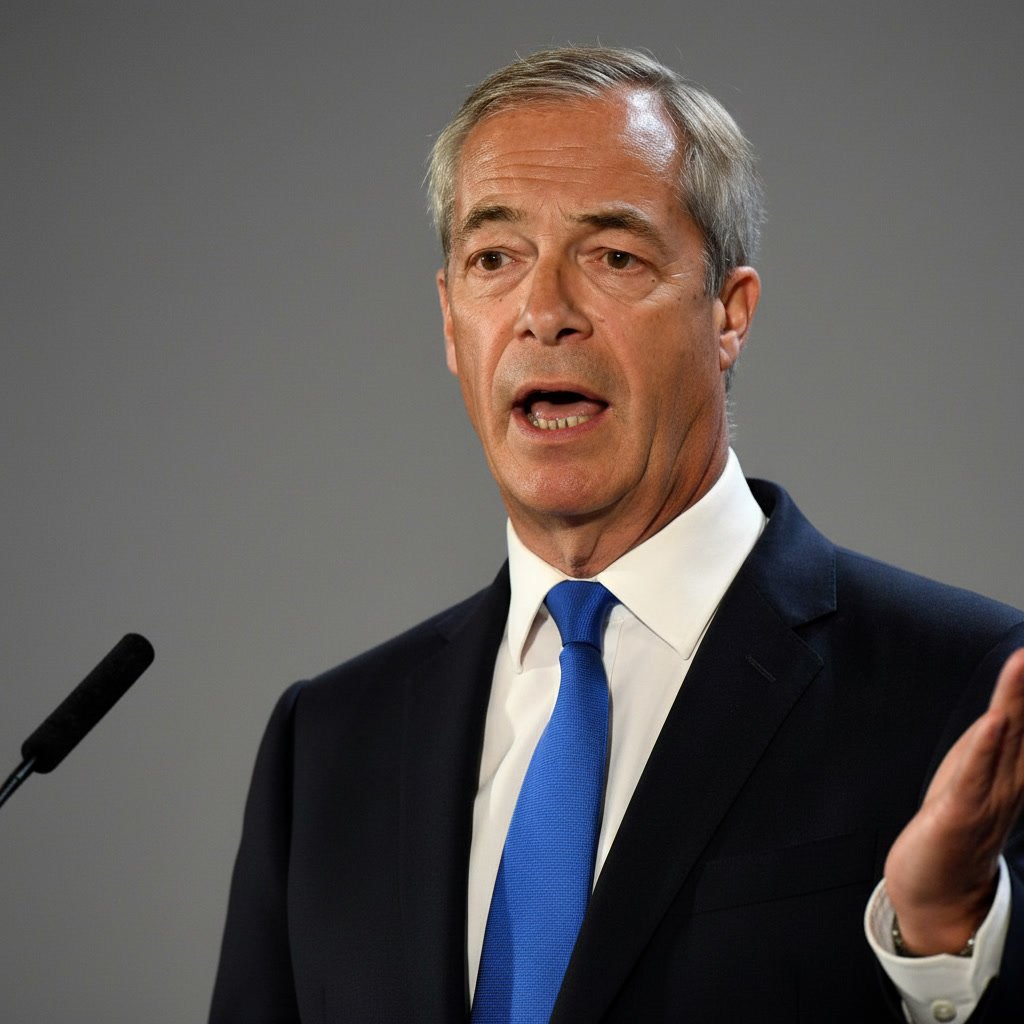
The party gained over 1,400 municipal seats across England, even taking control of councils in traditional Labour strongholds and Conservative heartlands like Essex and Havering. Prime Minister Keir Starmer’s Labour Party suffered a “drubbing,” losing more than 1,300 seats as voters defected to Reform UK on the right and the Green Party on the left.
In Wales, Reform UK surged to second place, while in Scotland, they tied with Labour for the second-most seats, proving Farage’s influence is truly national.
Why Nigerians Should Beware
Nigel Farage’s platform is built on a “MAGA-style” populist foundation, with immigration as its primary target. For the hundreds of thousands of Nigerians in the UK, students, healthcare workers, and professionals, the Reform UK agenda represents a significant threat to their stability.
1. Hardline Deportation Plans
Farage has campaigned on a platform that includes promises to deport hundreds of thousands of people. While often framed as targeting “illegal” migration, the statement frequently spills over into a general hostility toward “uncontrolled” legal migration, which could lead to stricter visa renewals and more aggressive home office enforcement for all immigrants.
2. The “British First” Economic Policy
Reform UK’s “patriotic” agenda focuses on prioritizing native-born citizens for jobs and housing. For Nigerians in the UK’s workforce, particularly in the NHS and social care sectors, this could mean:
- Increased scrutiny of Work Visas.
- Higher barriers for Post-Study Work Visas for Nigerian graduates.
- A hostile environment in the job market as nationalist sentiment grows.
3. Fragmentation and Social Tension
The rise of Reform UK has been accompanied by a shift in public discourse. Some Reform candidates have faced suspension or criticism for inflammatory comments, including anti-immigrant and xenophobic rhetoric. As this party gains more “sitting elected officials” to spread its message, the social climate for Nigerians in Britain may become increasingly polarized.
Nigeria’s “Japa” Dream Under Pressure
The “Japa” wave (the migration of Nigerians seeking greener pastures) has largely relied on the UK’s need for skilled labor and international students. However, with Nigel Farage now a kingmaker in British politics, that door is beginning to swing shut.
Farage’s influence is already forcing the mainstream parties, particularly Labour, to adopt tougher policies on immigration to win back voters. Reform UK has consistently criticized the number of dependents international students bring into the country, a policy that has already impacted many Nigerian families.
”What’s happened is a truly historic shift in British politics… we are proving in a big way we can win in areas that Labour have dominated since World War I.” — Nigel Farage
A New Reality for the Diaspora
The 2026 election results are a “red alert” because they show that Farage’s brand of populism is no longer a “protest vote,” it is a governing reality. For Nigerians in the UK, the “Trumpian” shift in British politics means that legal status, work opportunities, and social acceptance can no longer be taken for granted.
As Britain moves toward a general election in 2029, the influence of Nigel Farage will only grow, making it imperative for the Nigerian community and the Nigerian government to prepare for a much more restrictive and nationalistic United Kingdom.