
As the Trump Organization begins shipping its long-awaited T1 Phone this week, the “golden gadget” is arriving under a cloud of scrutiny. While the company promises “American values” and “top-tier connectivity,” the intersection of a sitting president’s private business interests with national telecommunications raises unprecedented security and ethical red flags.
The T1 Hardware: What’s Under the Gold?
Despite being marketed as an “America First” device, the T1 is a $499 Android-based smartphone that mirrors the specifications of many mid-range international models. Trump Mobile CEO Pat O’Brien confirmed the first units were assembled domestically, though the company admits it faced significant delays attempting to source components primarily from America.
The device features a 6.78-inch screen, a triple-camera system (50MP main), and AI face unlock. A unique software feature displays “TrumpSM” in the network status bar, constantly reminding the user of the brand behind the service.
Critical Security & Privacy Concerns
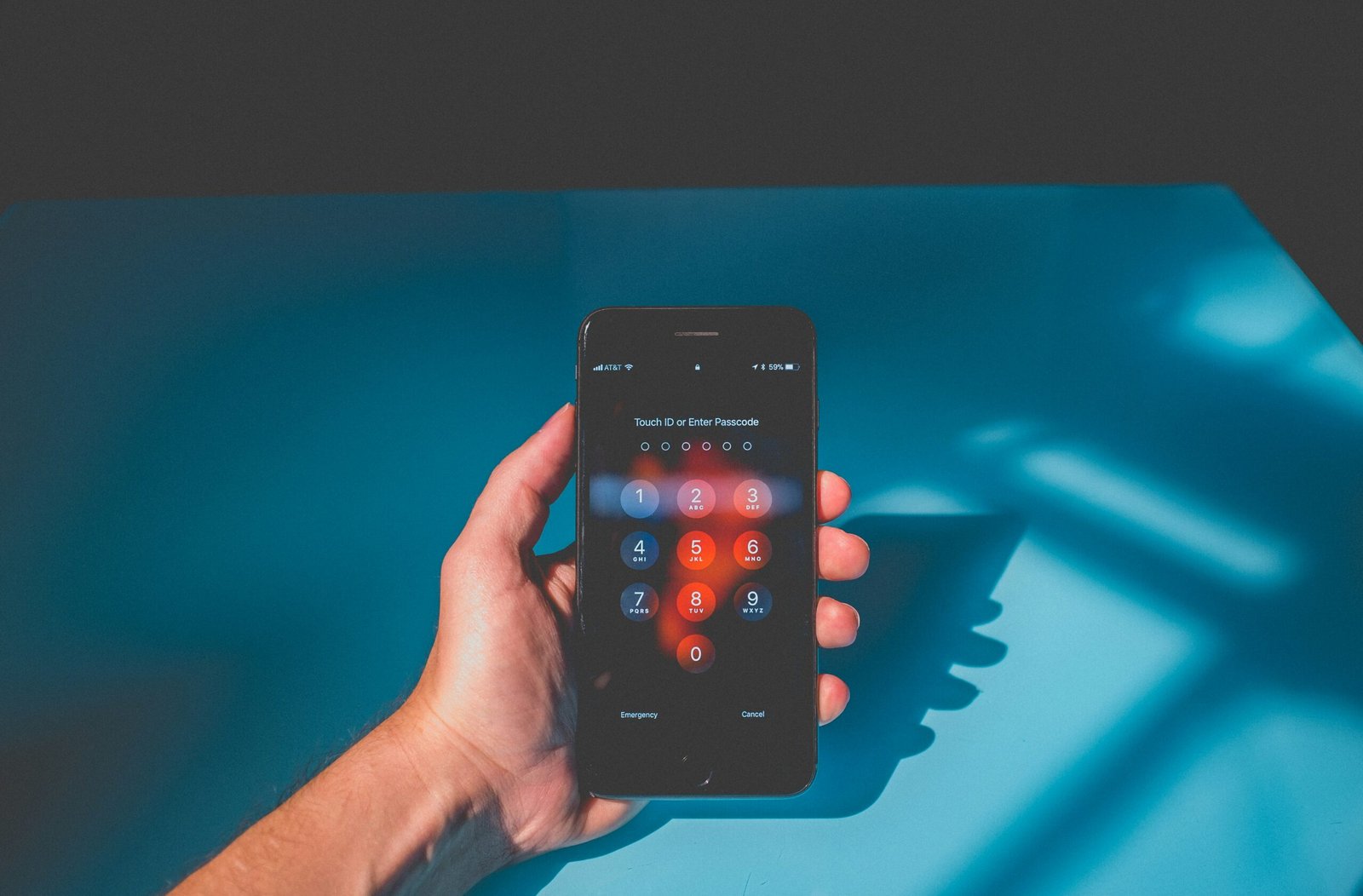
For a device associated with the Commander-in-Chief, the T1 presents several risks that traditional secure government communications (like the encrypted “Presidential Blackberry” or specialized iPhones of the past) were designed to avoid.
1. Data Privacy and Third-Party Sharing
The T1 runs on a modified Android operating system. Without a proven track record of independent security audits, experts worry about how much user data, including viewing activity, location, and behavior patterns, is being harvested. If the software follows the trends of recent “Big Tech” lawsuits, users could unknowingly be part of a massive data stockpiling operation.
2. The “Agentic AI” Vulnerability
The phone utilizes AI face unlock and other integrated AI features. In an era where “agentic AI” is becoming the norm, a device controlled by a private political organization could theoretically prioritize certain information streams or track user sentiment, creating a closed-loop “echo chamber” on a hardware level.
3. Supply Chain Integrity
While the company claims to use American components, the global nature of semiconductor and sensor manufacturing makes “100% American” hardware nearly impossible. If any core components are sourced from adversarial nations, the device could be susceptible to hardware-level backdoors.
A Money-Grabbing Scheme or a National Security Nightmare?
There is no way to sugarcoat this: a sitting president launching a private cellular service while in office is a direct defiance of historical norms regarding the divestment of assets. Every other president has moved their investments into blind trusts to avoid even the appearance of a conflict of interest.
Pricing the service at $47.45 as a “nod” to his presidential terms turns national service into a subscription model. But the real cost isn’t the $499 promotional price, it’s the risk to the office itself. When a president owns the platform, the service provider, and the hardware, who is auditing the security?
In my view, the T1 is less of a phone and more of a tracking beacon for movement. By promising unbeatable value to hard-working people, the Trump Organization is essentially creating a private, unregulated communication network within the United States.