
Tensions across the African continent have reached a boiling point as South Africa faces a fresh wave of anti-immigrant protests and allegations of xenophobic violence. The diplomatic fallout has seen several nations move to protect their citizens, with Ghana announcing a large-scale evacuation.
Ghana Steps In
Following a surge in “xenophobic attacks,” the Ghanaian government has authorized the immediate evacuation of its citizens. Approximately 300 Ghanaians who registered at the embassy in Pretoria are slated for immediate evacuation. President Nana Akufo-Addo granted the rescue order following formal requests from distressed citizens. The Ghanaian embassy in South Africa has advised its nationals to prioritize safety, avoid public gatherings, and temporarily close businesses in the city of Durban.
Continental Backlash and Diplomatic Friction
South Africa’s relationship with its neighbors is under severe strain as regional leaders demand accountability. Both Ghana and Nigeria have summoned South African envoys to protest the harassment and mistreatment of their citizens. Ghana has formally petitioned the African Union (AU) to discuss the crisis, citing a “serious risk to the safety and well-being” of Africans living in South Africa. Kenya, Malawi, Lesotho, and Zimbabwe have all issued safety warnings to their citizens residing in or traveling to the country.

“Criminality” vs. Policy
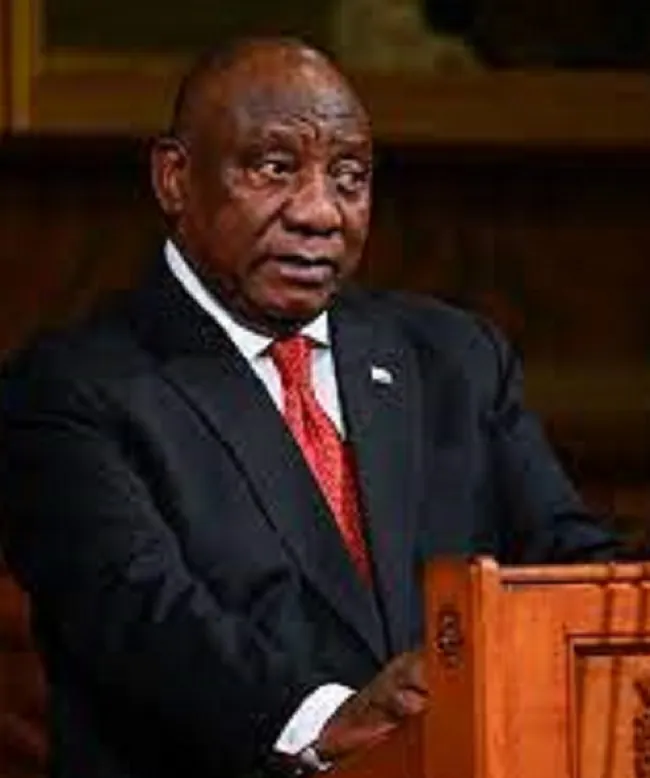
President Cyril Ramaphosa has characterized the unrest as “isolated acts of criminality” rather than a reflection of official state policy. South African authorities have denied reports of widespread attacks, claiming many videos circulating on social media are “fake”. While condemning the violence, Ramaphosa reiterated the government’s commitment to regulating migration and securing borders. Thousands of South Africans have joined protests demanding mass deportations, citing the impact of undocumented immigration on crime, housing, and the job market.
The Pan-African Dream in Peril
It is deeply disheartening to see the “Rainbow Nation” once again embroiled in the same xenophobic cycles that have plagued its post-apartheid history. While the South African government insists these are “isolated acts,” the mass evacuation of 300 people by a fellow African nation tells a far more systemic and urgent story.
The Failure of “Ubuntu”
The summoning of envoys by giants like Nigeria and Ghana signals that the continent’s patience has run out. For a country that owes so much of its liberation to the support of its African neighbors, the current climate feels like a betrayal of Pan-African solidarity. Labeling videos as “fake” while citizens are fleeing for their lives is a defensive digital strategy that fails to address the human-oriented reality on the ground.
Should the African Union impose sanctions or formal penalties on member states that fail to protect the rights and safety of fellow African foreign nationals?