
The Billboards are everywhere, with bars draped in tournament banners and stores churning out World Cup merchandise. By every visible measure, America is ready for the biggest sporting event on the planet.
But inside the hotels of host cities, the booking systems are telling a different story. The expected boom has not arrived.
The American Hotel and Lodging Association found that eight in 10 hotels in World Cup host cities are seeing lower demand than expected. Many hoteliers described the tournament as a “non-event” so far, with bookings tracking below levels seen in a typical summer. Those who spoke to the BBC said they were underwhelmed — and confused.
“We were sold this expectation that the World Cup would be a big phenomenon; people have been talking about it for years,” said Deidre Mathis, who owns the Wanderstay Boutique Hotel in Houston, Texas. The hotel is a mile on foot from the Houston fan zone and a short drive from the stadium hosting matches. It is currently at 45% capacity for the tournament period, compared with 70% for the same time last year.
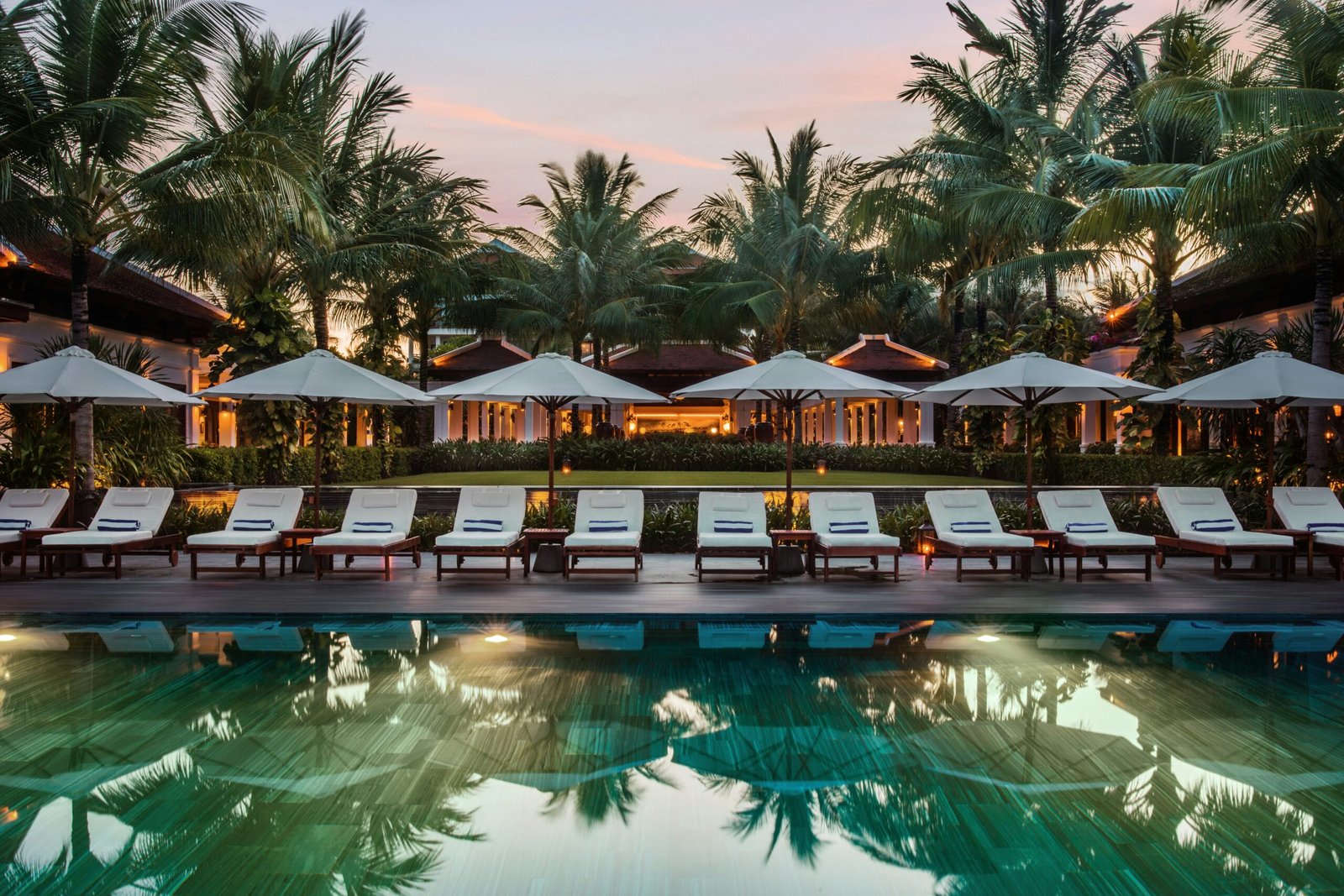
“So when we looked at our calendar and saw in February, March and April that we still weren’t sold out — and it is not just us in Houston, but it’s all over — we were left sitting here just very confused,” Mathis told the BBC.
Why the Boom Hasn’t Happened
Hoteliers point to several factors. Mathis blamed the “political climate” during President Donald Trump’s second term, in particular immigration raids carried out by ICE agents in cities across the country. She also cited the rising cost of living in the wake of the US-Israel war in Iran.
Then there are the ticket prices. Even Trump, an enthusiastic supporter of both the World Cup and Fifa president Gianni Infantino, has said he “wouldn’t pay it either” when asked about the prices. Official tickets for the final at New Jersey’s MetLife Stadium were offered at up to $32,970. Resale tickets have been listed for more than $2 million.
“So I think it’s a bunch of things, all combined into one,” Mathis said. “But it is just so unfortunate, and I am hoping that in the next four weeks, things can be turned around.” She urged Fifa to drop ticket prices and called on the US government to expedite visa applications for fans hoping to attend.
Hamish Husband, from the Association of Tartan Army Clubs, will spend as much as £10,000 traveling to the US to follow Scotland’s progress. He said the main cost concern was “the outrageous ticket pricing Fifa has enforced on fans.” He noted that $1,000 for a Scotland vs. Haiti ticket was “scandalous.”
A Tale of Two Expectations
FIFA sees the situation differently. The governing body said demand for the tournament has been “unprecedented” and that more than five million tickets have been sold. “Excitement continues to build for the largest sporting event on the planet,” a spokesman told the BBC. He added that some tickets have been sold for as little as $60, and that more expensive tickets were priced to prevent profiteering on resale markets.
But on the ground, hoteliers are not feeling that excitement. Stephen Jenkins, who manages the Fontaine Hotel in Kansas City, Missouri, told the BBC it was in “a very similar spot” in terms of bookings to this time last year. “We are not seeing the pick-up we had anticipated,” he said. He had expected a boom due to the “once-in-a-lifetime experience” of the tournament being in town.
Jenkins noted a small bump in bookings when the schedule of fixtures was announced and expects more of an uptick as matches approach. But he also made a striking admission: superstar Lionel Messi does not have the same star pull as pop giant Taylor Swift, whose Eras tour in 2023 was “a city-wide sellout type of event.”
Manuel Deisen, the general manager of InterContinental Buckhead Atlanta, told the BBC the “volume of enquiries and bookings we’re seeing is tracking lower to typical periods.” He added, “It’s not quite what we had hoped for.”
The Bright Spot: Airbnb
Not everyone is struggling. Airbnb has said the World Cup is set to be “the biggest hosting event” in its history. Short-term rentals may be capturing demand that would have gone to hotels in the past. That shift, if sustained, would represent a permanent change in how fans travel to major events.
The White House, aware of the stakes, has established a World Cup task force to ensure the tournament runs smoothly. As part of preparations, it has exempted football fans from 50 countries from having to pay a $15,000 deposit when applying for visas — if they can show they have valid match tickets.
The Bottom Line
US hotel owners expected a World Cup boom. So far, it hasn’t happened. Eight in 10 hotels in host cities are seeing lower demand than expected, with bookings tracking below typical summer levels. Hoteliers blame the political climate, the rising cost of living following the Iran war, and “phenomenally” expensive ticket prices — with final tickets officially priced up to $32,970.
FIFA says more than five million tickets have been sold, and excitement is building. But on the ground, hotel booking systems are not showing it. The World Cup is coming. Whether the crowds will follow — and fill the rooms — remains an open question. Hotel owners are hoping for a last-minute turnaround. But with weeks to go, they are bracing for disappointment.