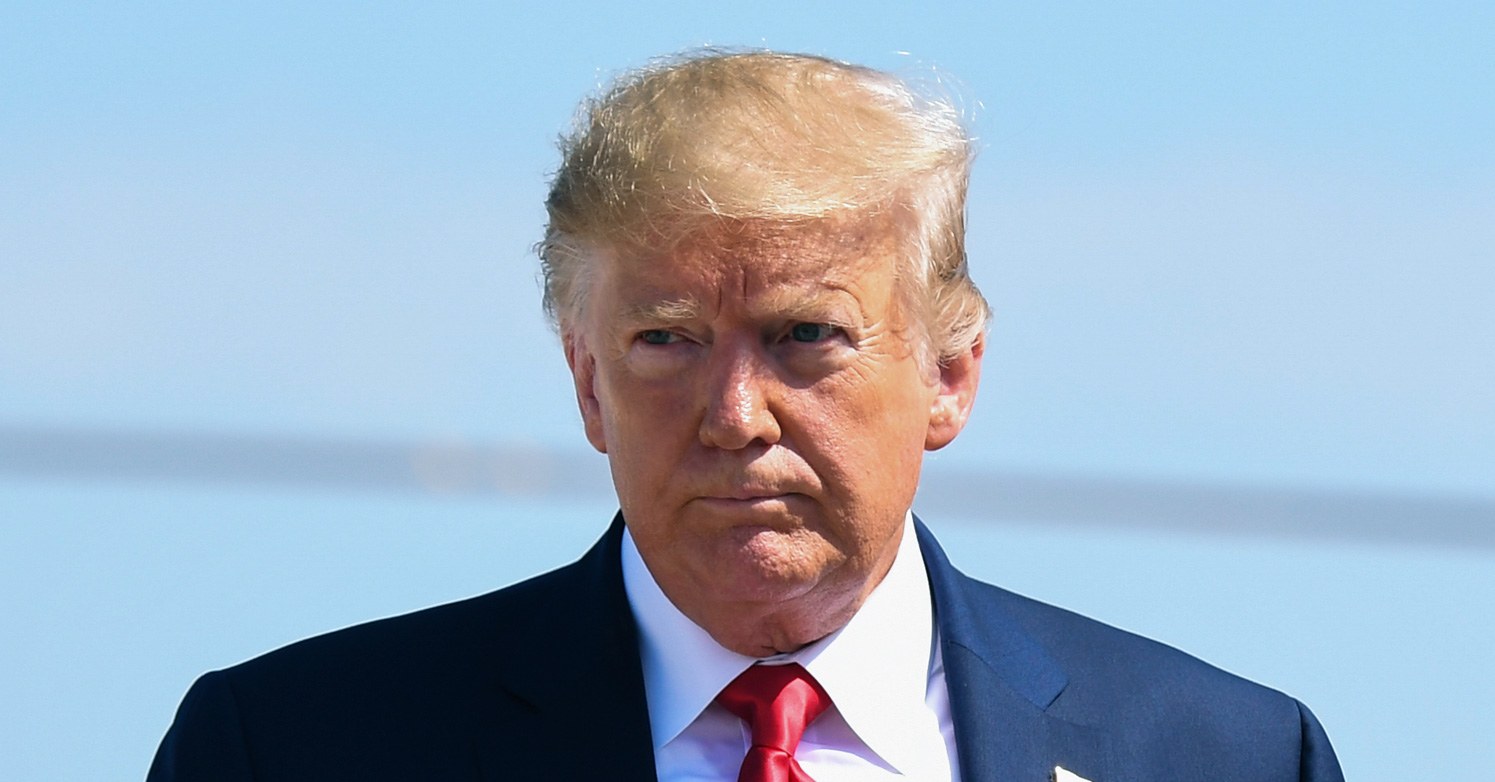

By pretty much any estimation, President Trump has had a very bad week. His approval rating has hit a second-term low. Gas prices are high and inching higher heading into Memorial Day weekend. And his grip over Republican lawmakers is beginning to slip.
Most politicians would pivot. They would redirect their focus to issues where they stand on a stronger footing.
Donald Trump is not most politicians.
Instead of backing down, the president has decided to double down — presenting himself as politically all-powerful even in the face of clear indications that he is not. He is pushing ahead with two deeply unpopular spending proposals that have prompted an unusual revolt from his own party in the Senate. He is weighing whether to restart a bombing campaign in an unpopular war against Iran. And he seems comfortable burning whatever political capital he has left to leave his legacy — even if it drags his party down in the process.
The $1.8 Billion ‘Slush Fund.’
At the center of the backlash is Trump’s proposal for a $1.8 billion fund to reward allies who claim they were persecuted by Democrats. Critics have called it a “slush fund” that could give payouts to people who attacked police officers during the January 6, 2021, assault on the Capitol and were later pardoned by Trump.
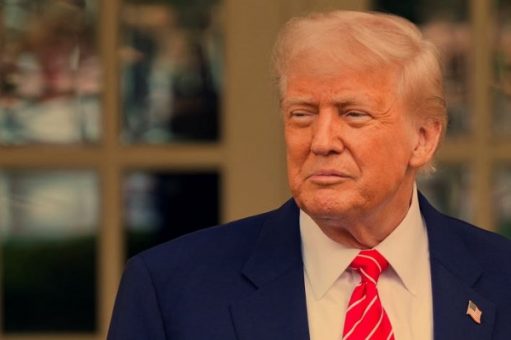
Rather than abandoning the plan, Trump has defended it — suggesting he could have used the taxpayer money to enrich himself instead. “I gave up a lot of money in allowing the just announced Anti-Weaponization Fund to go forward,” the president wrote on social media. “I could have settled my case, including the illegal release of my Tax Returns and the equally illegal break-in of Mar-a-Lago, for an absolute fortune. Instead, I am helping others, who were so badly abused by an evil, corrupt, and weaponized Biden Administration, receive, at long last, JUSTICE!”
His acting attorney general, Todd Blanche, attempted to defend the plan in a hostile meeting with Senate Republicans. Inside the room, Blanche came under withering questioning and criticism. Several Republicans spoke up to express worry that the fund would be used to provide money to January 6 rioters.
The meeting went so poorly for Blanche that party leaders scrapped planned votes on another of Trump’s top priorities: a $72 billion immigration crackdown measure lawmakers had planned to muscle through before Memorial Day.
“There’s a boiling point here,” said Sarah Binder, a professor of political science at George Washington University. “Of course, the boiling over, it’s in part because Trump doubles down. He rarely admits that maybe he needs to backtrack a little.”
The $1 Billion Ballroom Security Fight
Trump was also undeterred when another unpopular policy position — using taxpayer money to help fund security for his $400 million luxury ballroom on White House grounds — was met with backlash on Capitol Hill. He said that without the $1 billion, the “White House won’t be a very secure place.”
He called for the firing of the Senate parliamentarian, Elizabeth MacDonough, a nonpartisan official who ruled that approving the money would violate Senate rules. “The Republicans allow the Elizabeth MacDonoughs of the World to stay in power, and brutalize us,” Trump complained.
The ballroom, which Trump has privately referred to as his “crown jewel,” has been a source of controversy since its construction began. Critics have called it a self-serving monument to the president’s wealth at a time when many Americans are struggling with high inflation and gas prices. Trump sees it as his legacy. Congress sees it as a political liability.
The War Nobody Wants
Trump is also weighing whether to restart a bombing campaign in the war against Iran — a conflict that has already become deeply unpopular with the American public. Polls show that a majority of voters oppose further military action in the Middle East, and even some Republican lawmakers have expressed unease about escalating the conflict.
With gas prices already high and inching higher heading into Memorial Day weekend, restarting the bombing campaign would likely send fuel costs even higher. The timing could not be worse for a president already facing a second-term approval rating low.
The Absence of Dissent
Another dynamic at play in the Trump White House is a lack of dissenting voices to some of the president’s most extreme ideas. In Trump’s first term, some of his most radical ideas were checked by aides like John F. Kelly, the longest-serving chief of staff; Jim Mattis, the first defense secretary; and Gary Cohn, an economic adviser.
Those men are long gone. Their positions have been filled mostly by people who are true believers.
Underscoring that point, Stephen Miller, the White House deputy chief of staff for policy, this week defended the so-called weaponization fund, even as critics called it a “slush fund.” “So many lives destroyed, so many livelihoods ruined, so many people who were deprived of their fundamental rights and freedoms as American citizens,” Miller said. “This settlement is just a small measure of the justice that they are owed.”
Vengeance Over Votes
Trump has seemed unconcerned about whether these ideas are popular with voters. He has lamented openly that Democrats are likely to gain ground in the midterm elections. But he has been most animated when discussing how he exacts vengeance on Republicans who criticize him.
At a political rally Friday in Rockland County, New York, Trump boasted about the recent victories in Republican primaries in which challengers he backed took out incumbent lawmakers who had crossed him. “We knocked out a bad senator from Louisiana,” Trump said to cheers. “We knocked out everybody.”
Left unsaid was that Trump needs the votes of the Republicans he just helped defeat.
Binder said she took Trump at his word when he argued last year that he had little further use for Congress — a suggestion that he could enact most of his agenda by circumventing lawmakers. She said the president is thinking in larger terms about continuing to control the GOP after his presidency, and what kind of legacy he could leave behind.
“He’s focused on the arch,” Binder said, referring to Trump’s push to build a triumphal arch in Washington. “He’s focused on his own personal legacy. He’s focused on vengeance. He doesn’t have a legislative agenda, so does he really need a Republican Senate?”
The Bottom Line
President Trump has had a brutal week: his approval rating has hit a second-term low, gas prices are rising, and his grip on Republican lawmakers is slipping. Rather than pivot, he is doubling down on two unpopular spending proposals: a $1.8 billion “Anti-Weaponization Fund” critics say could reward January 6 rioters, and $1 billion for security at his $400 million luxury ballroom on White House grounds. His acting attorney general faced a hostile reception from Senate Republicans, forcing party leaders to scrap votes on a $72 billion immigration crackdown. Trump is also weighing restarting bombing campaigns in the unpopular Iran war. And the White House lacks dissenting voices to check the president’s most extreme ideas.
Trump seems unconcerned about the political fallout. He is focused on vengeance, legacy, and a triumphal arch in Washington. Whether he needs a Republican Senate to achieve any of it is an open question.