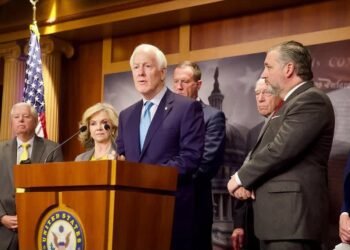
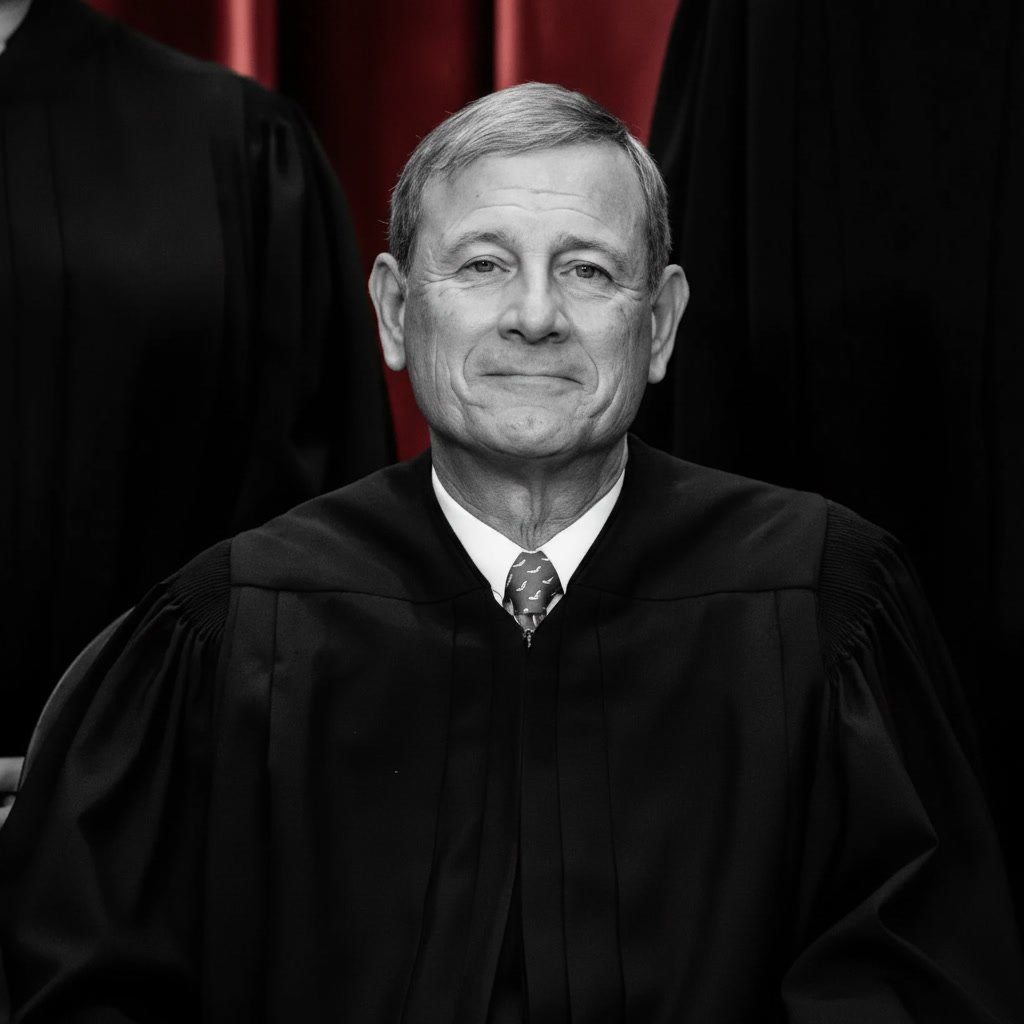
Representative Steve Cohen (D-TN) stunned Capitol Hill by introducing six formal Articles of Impeachment against Supreme Court Chief Justice John Roberts. The sweeping resolution accuses Roberts of violating the Constitution, breaching his judicial oath, and allowing the court to degenerate into a weaponized political instrument.
The Six Articles of Impeachment Explained
The resolution submitted by Congressman Cohen outlines a meticulous attack on Roberts’ stewardship of the high court.
Article I: Politicization of the Court: Accuses Roberts of altering the court into a partisan force by picking and choosing election cases to intentionally favor Republican outcomes.
Article II: Entrenchment of Minority Rule: Alleges that landmark rulings like Rucho v. Common Cause have licensed a system of political exclusion that systematically enables partisan gerrymandering.
Article III: Empowering the Rich: Slams Roberts for campaign finance rulings, including Citizens United v. FEC, that Cohen argues privilege wealthy donors over ordinary citizens.
Article IV: Unaccountable Executive Branch: Targets Roberts’ controversial opinion in Trump v. United States, claiming he unconstitutionally exempted the president from criminal liability.
Article V: Arbitrary Decisions: Condemns the court’s heavy reliance on unexplained, single-line orders issued via its emergency “shadow docket.”
Article VI: Failure to Recuse: Points directly to a massive conflict of interest involving Roberts’ wife, Jane Sullivan Roberts, who allegedly pulled in millions of dollars recruiting legal talent for the very firms litigating right before the Supreme Court.
A Spiteful, Partisan Stunt
If you ask me, this impeachment resolution has absolutely nothing to do with constitutional purity and everything to do with bitter political revenge. Let’s look at the timing. Congressman Steve Cohen literally just announced last week that he was abandoning his reelection bid. Why? Because Tennessee Republicans swiftly redrew the congressional maps, completely splitting up his home base of Memphis into three pieces. Cohen didn’t get gerrymandered out of a job because John Roberts is corrupt, he got outmaneuvered because a late-April Supreme Court ruling gutted Section 2 of the Voting Rights Act.
This entire six-article resolution is a desperate parting shot from a retiring lawmaker who is furious that the court’s 6-3 conservative majority is systematically undoing decades of liberal legal precedent. Trying to impeach the Chief Justice because you fundamentally disagree with his legal interpretation of presidential immunity or campaign finance isn’t oversight, it’s a dangerous temper tantrum. It sets a terrifying precedent that whenever Congress doesn’t get its way, it should simply try to fire the head of a co-equal branch of government.
The Weaponization of the “Purcell Principle”
The most legally damaging allegation in Cohen’s resolution focuses on the court’s erratic timing regarding Southern redistricting maps.
Within eight days of a key April ruling, Tennessee dismantled its only majority-Black congressional district, directly precipitating Cohen’s forced retirement. Cohen accuses Roberts of gross negligence for manipulating the Purcell principle (which dictates courts shouldn’t alter election rules too close to an election). The resolution notes the court rushed to freeze maps in Alabama to help Republicans before a primary but let anti-democratic maps slide in Virginia. While high-profile scandals involving Justices Clarence Thomas and Samuel Alito have dominated the news, this resolution aggressively drags Roberts into the mud by targeting his wife’s millions in corporate recruiter fees, arguing it violates 28 U.S.C. § 455.
A Symptom of Institutional Decay
Impeaching a Supreme Court justice is historically near-impossible; only Samuel Chase in 1804 has ever faced a trial, and he was swiftly acquitted. Cohen’s resolution will undoubtedly die a quiet death in committee, but the political damage is already permanent. With public approval of the Supreme Court plummeting to a dismal 48 percent and a massive 71-to-26 partisan divide between Republican and Democratic trust, the high court is no longer viewed as an impartial arbiter of the law. John Roberts may claim his court isn’t a political actor, but heading into the 2026 midterms, it has officially become America’s premier political battleground.