China successfully launched its Shenzhou 23 on Sunday night, sending three astronauts to the Tiangong space station, including one astronaut expected to remain in space for a full year.
The spacecraft lifted off from the Jiuquan Satellite Launch Centre in northwestern China, marking another major step in the country’s expanding space programme as it moves closer to its planned crewed lunar landing target by 2030.
The mission crew comprises Commander Zhu Yangzhu, Zhang Zhiyuan, and Lai Ka-ying — also identified by Chinese authorities as Li Jiaying using Mandarin transliteration.
Lai, who was born and raised in Hong Kong and holds a doctorate in computer forensics, is making history as the first astronaut from the city to travel on a space mission.
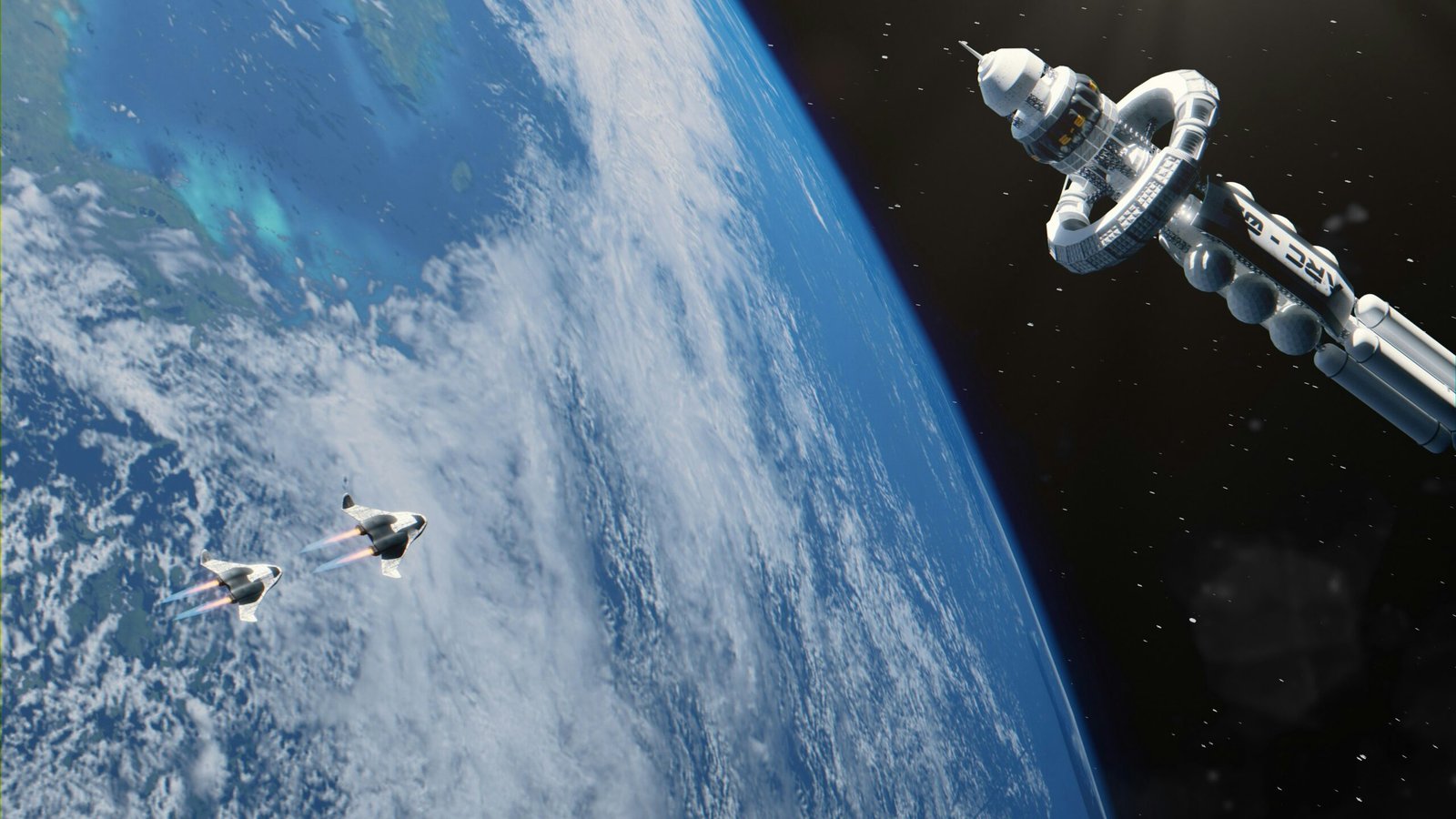
The astronauts are expected to carry out numerous scientific experiments and applied research projects while on board, according to state media reports. They will also conduct an in-orbit handover with the crew of Shenzhou 21, who have already spent over 200 days aboard the station.
One member of the Shenzhou 23 crew is scheduled for a year-long stay in orbit, one of the longest continuous human spaceflights ever undertaken. The mission will focus on studying human adaptability and performance limits in extended space conditions.
China’s growing space programme has seen several missions to Tiangong, which was developed after the country was excluded from the International Space Station due to U.S. national security concerns.
The United States remains China’s main competitor in space exploration, with NASA aiming for a crewed lunar landing by 2028.
The Tiangong space station, meaning “Heavenly Palace,” first welcomed its crew in 2021. In a previous mission last year, an emergency Shenzhou operation successfully returned astronauts who were temporarily stranded due to spacecraft damage.