
As preparations for Eid al-Adha gather pace across Nigeria, many Muslim families are being forced to cut down on travel, food and traditional celebrations due to worsening economic hardship.
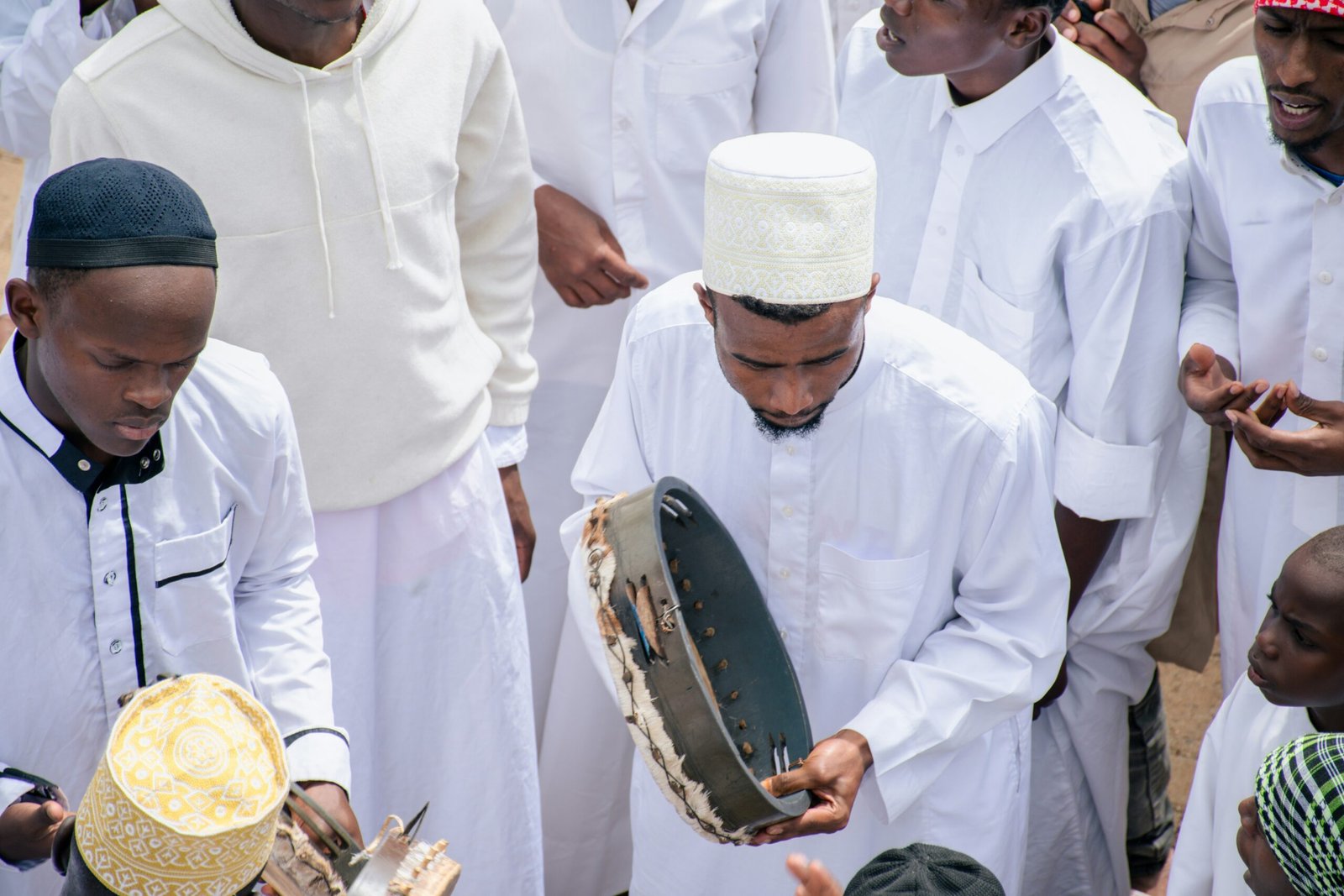
Inside the Nurul Bayan Islamic School in Abuja, Islamic teacher Yunus Akanji sat quietly while children recited verses from the Quran around him. Though he occasionally corrected their pronunciation, his thoughts were fixed on the financial struggles facing his family ahead of the festival.
For years, Akanji travelled with his wife and children to Saki in Oyo State to celebrate Eid, popularly known as Sallah, with relatives. In years when he stayed back in Abuja, he would usually buy a ram and organise a small celebration for his family and students.
This year, however, he said things would be different.
“I have concluded that we will just celebrate with whatever we have,” he said.
According to him, many parents and members of the community who normally support his madrassa financially are also battling economic difficulties.
“Most of them have not even paid,” he explained, referring to school fees that help sustain the school and support his household.
The economic pressure is also affecting travel plans for many Nigerians hoping to reunite with family during the celebration.
Nafisa Ibrahim, an Ogun State indigene currently serving in Abuja through the National Youth Service Corps programme, said she had abandoned plans to travel home because transport fares had become too expensive.
“Transportation is about 35,000 naira compared to the 15,000 naira I paid when I came to Abuja in February,” she said.
She added that there was no certainty her family would even be able to afford an animal for sacrifice this year.
Business owners are also feeling the impact of the situation.
Opeyemi Ibrahim, a fashion designer based in Abuja’s Byazhin district, said customer patronage had reduced sharply despite the festive season approaching.
He blamed the situation on rising fuel prices and unstable electricity supply, which have significantly increased operating costs.
“When there is no electricity, we have to run the generator,” he said. “Filling it costs about 10,000 naira.
“But without it, the shop becomes too hot, and we still need power to iron customers’ clothes.”
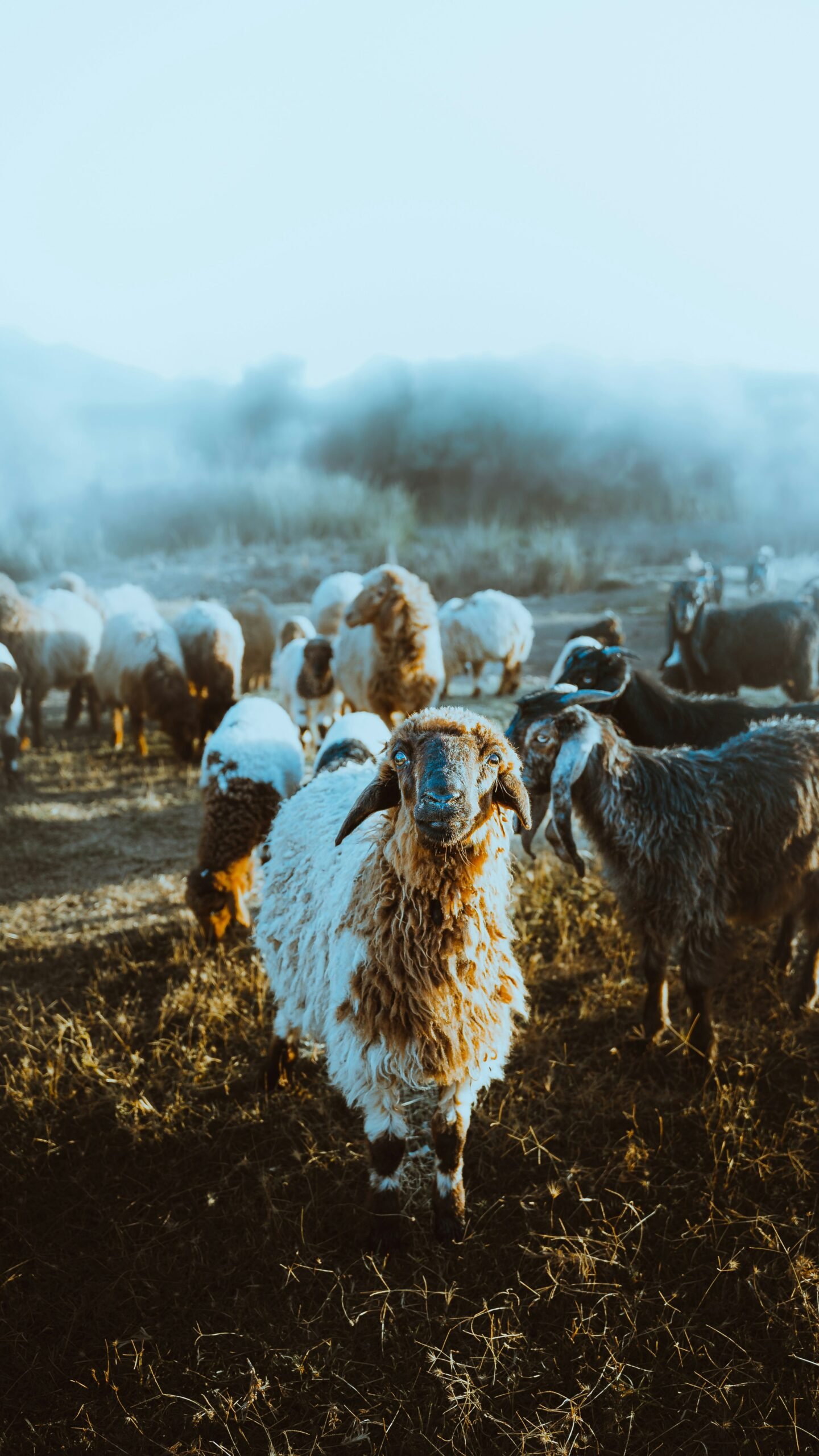
At the Kubwa livestock market in Abuja, traders also expressed concerns over low patronage and rising prices of rams ahead of Eid.
Malam Ibrahim, a livestock seller, said many buyers now visit the market only to inquire about prices before walking away without making purchases.
“People come, ask for prices, and walk away,” he said.
Pointing at one of his rams, he explained how sharply prices had increased compared to last year.
“This ram is selling for 600,000 naira,” he said. “Last year, the same size was below 350,000 naira.”
According to him, transporting livestock from northern states such as Sokoto and Kaduna has become far more expensive because of rising fuel and transportation costs.
“Even the sellers are suffering,” Ibrahim added, expressing fears that many animals could remain unsold after the celebration, when demand usually drops.
“We do not pray to take them back home, but with the looks of things, I fear so,” he said.
At nearby food markets, traders selling rice, tomatoes, onions and cooking oil also reported weaker sales as many families reduce spending on festive meals.
“We used to celebrate Eid with joy,” one trader said. “Now we just calculate what we can afford.”