
Oil prices dropped sharply on Monday after a temporary pause in fighting between the United States and Iran appeared to hold, despite Tehran rejecting reports that it had agreed to a 10-day ceasefire.
The decline in oil prices boosted investor confidence, sending stock markets higher at the start of trading.
The lull in hostilities comes as US President Donald Trump prepares to meet Israeli Prime Minister Benjamin Netanyahu, who jointly launched the military campaign against Iran nearly five months ago.
Netanyahu confirmed that discussions with Trump would centre on Iran.
“Our goal is clear: to safeguard Israel’s security, strengthen its power, and expand the circle of peace around us,” Netanyahu wrote on X.
The pause in fighting began on Friday after almost two weeks of US airstrikes targeting Iran in response to attacks on vessels in the Strait of Hormuz, which had shattered an earlier truce.
Diplomatic efforts are now focused on creating room for negotiations. Iran has also refrained from launching fresh attacks on regional targets following renewed diplomatic pressure led by China to revive stalled peace talks in Pakistan.
However, Iran insisted that no direct negotiations with Washington are taking place.
“We currently have no negotiations with the United States,” Iranian Foreign Ministry spokesperson Esmail Baghaei said, adding that Tehran’s official talks are only being held with Oman over the future of the Strait of Hormuz.
Although tensions between Washington and Tehran have eased for now, military operations linked to the broader conflict continued elsewhere over the weekend.
Saudi Arabia reportedly carried out strikes against Iran-backed Houthi positions in Yemen after the group launched attacks on shipping in the Red Sea.
Meanwhile, Ukraine allegedly struck an Iranian commercial vessel in the Caspian Sea, killing one sailor and injuring another. Kyiv claimed the ship was transporting military cargo destined to support Russia’s war effort, while Iran condemned the incident as a “hostile and criminal act.”
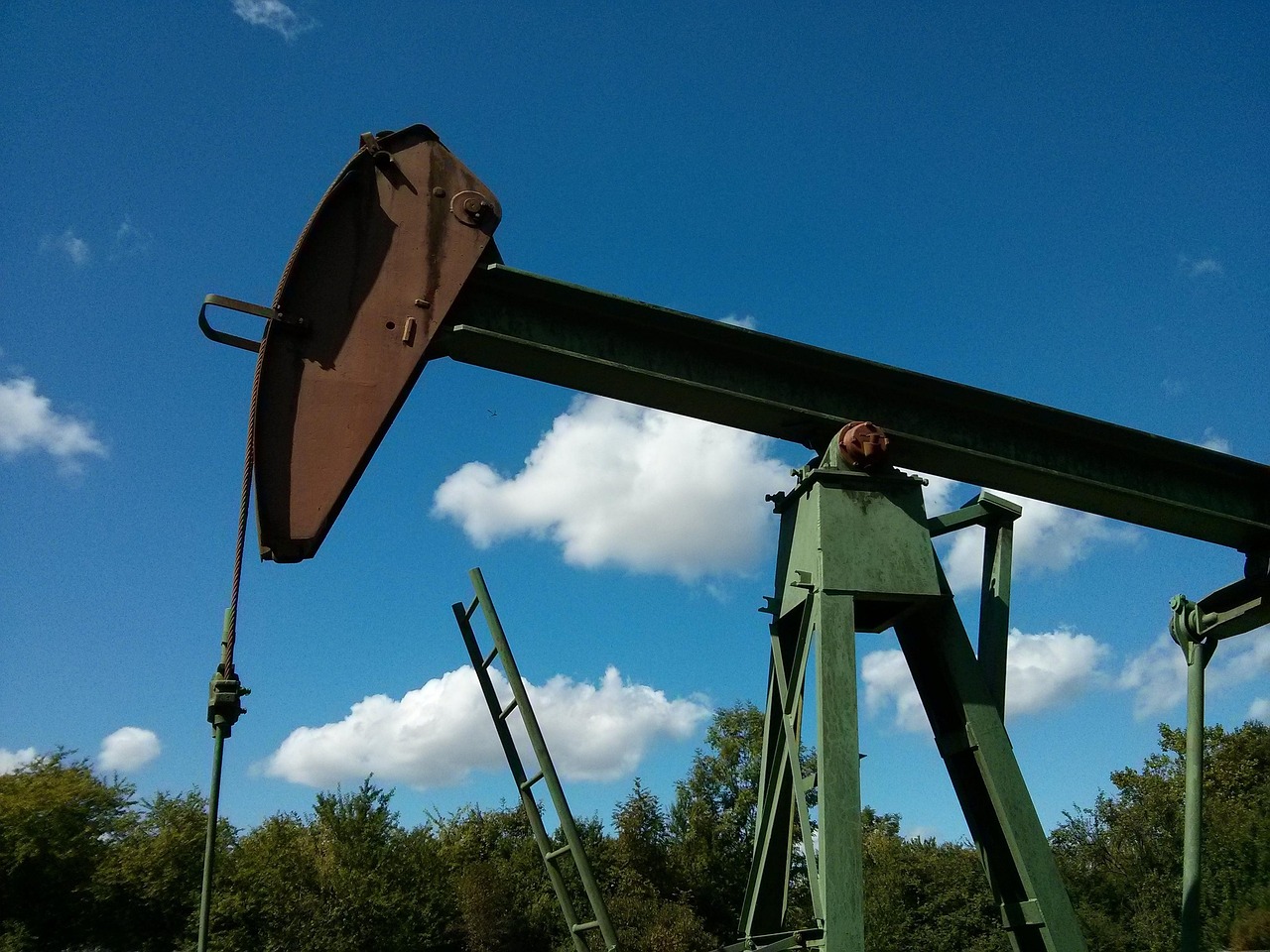
Financial markets responded positively to the temporary calm. Oil futures fell by more than seven per cent, while Wall Street opened strongly after fears of a wider regional conflict eased.
Despite the optimism, analysts warned that achieving a lasting peace remains uncertain.
The United States and Iran are still relying on indirect channels to communicate, with major disagreements over Iran’s nuclear programme, sanctions and Tehran’s backing of armed groups across the Middle East remaining unresolved.
Another major issue is the future of shipping through the Strait of Hormuz, a strategic waterway that previously handled around one-fifth of the world’s oil supply before the conflict.
Baghaei maintained that the shipping route remains inaccessible.
“The situation in the Strait of Hormuz has not changed and it is still closed,” he said.
Oman has emerged as a key intermediary in the crisis, hosting discussions aimed at securing a temporary arrangement to restore safe passage through the waterway.
Baghaei described the recent meetings with Omani officials as “useful discussions.”
Omani authorities have also described the talks as productive, although analysts believe shipping disruptions are likely to persist.
“The main market risk remains the energy and shipping front,” Deutsche Bank analysts said in a note on Monday.
“Traffic through Hormuz remains severely disrupted, while the conflict has broadened into the Red Sea.”
“This raises the prospect of simultaneous disruption to both Gulf and Red Sea export routes. So a welcome pause from the main actors but a fragile one, especially with side battles still ongoing.”