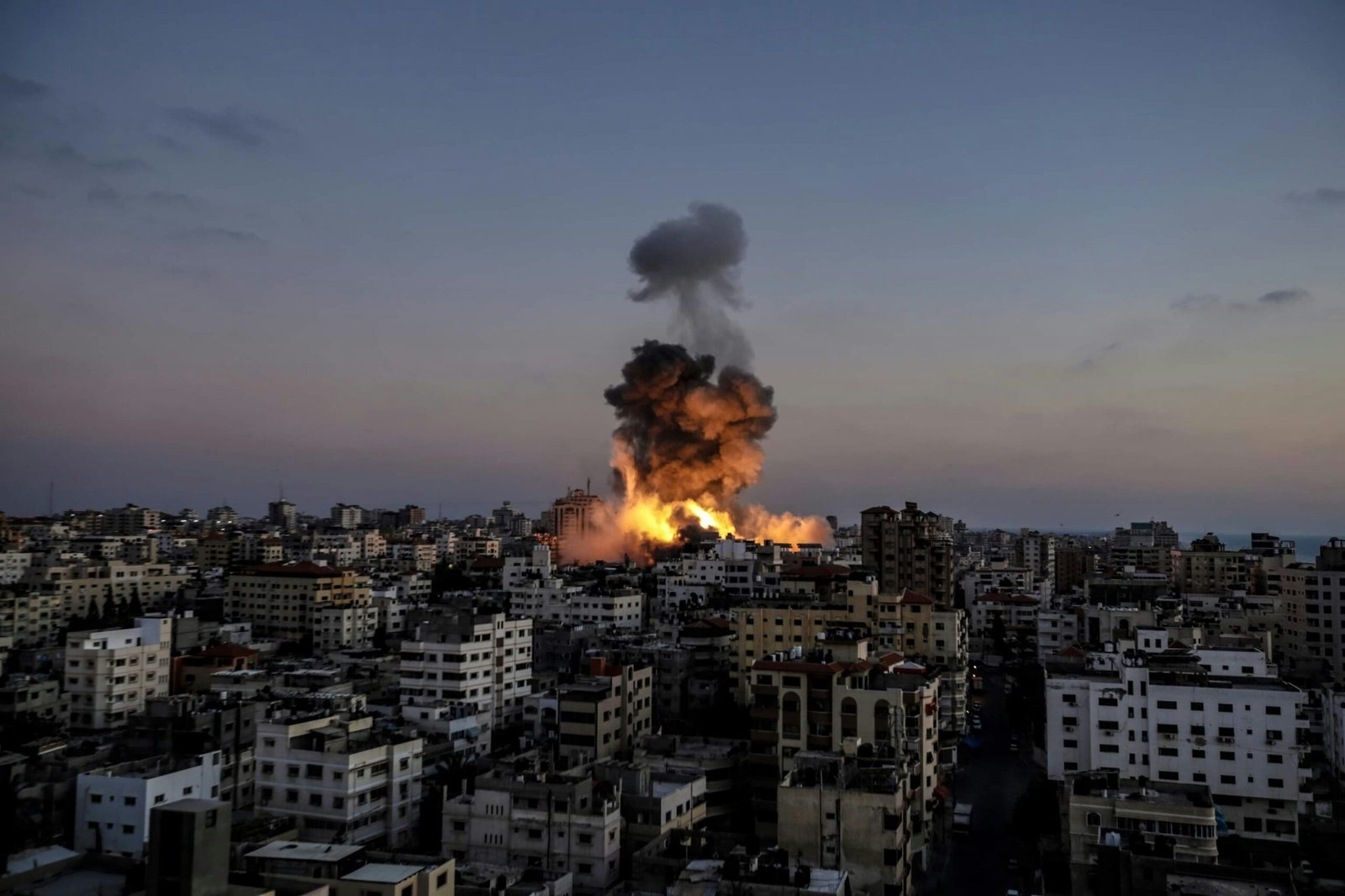

Kuwait temporarily shut down its main international airport on Wednesday after an Iranian drone attack caused significant damage to part of the facility and left one person dead, according to Kuwaiti authorities.
The incident marked the latest escalation in the ongoing confrontation involving Iran, the United States and Israel, despite efforts to maintain a fragile ceasefire across the region.
According to Kuwait’s Defence Ministry spokesperson, Brig. Gen. Saud Abdulaziz Al-Otaibi, several hostile drones targeted the passenger terminal at Kuwait International Airport, causing extensive damage and injuring multiple people. The Foreign Ministry later confirmed that one person lost their life in the attack.
Following the strike, Kuwait Airways suspended operations, while aviation authorities temporarily halted airport activities. Flights later resumed from an alternative terminal, although normal operations remained restricted.
The airport had only recently resumed services after being closed earlier during the conflict.
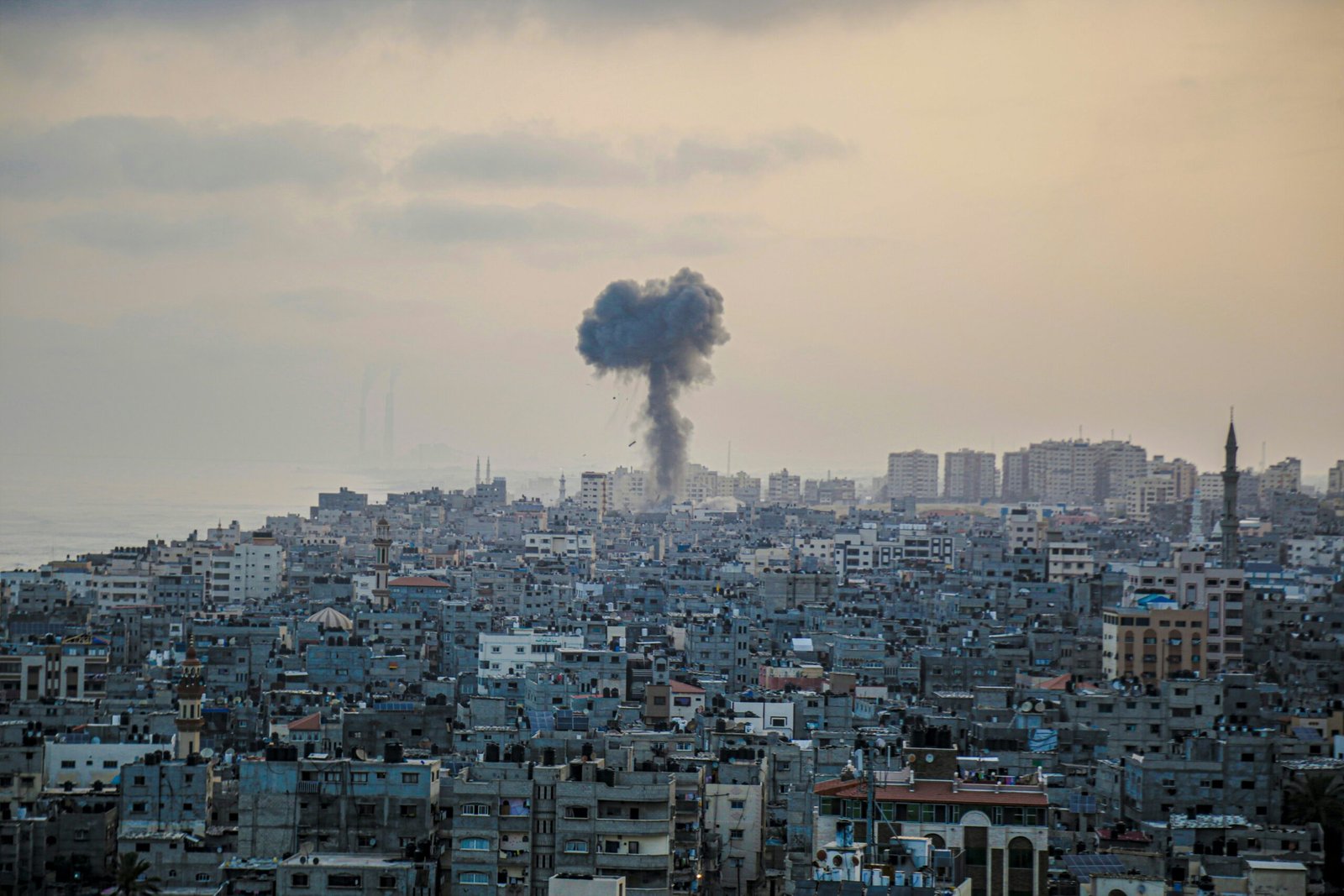
The U.S. military said Iran launched two missiles toward Kuwait, but both broke apart before reaching their target. It also stated that American forces intercepted multiple drones aimed at military installations in the country.
In neighbouring Bahrain, which hosts the headquarters of the U.S. Navy’s Fifth Fleet, American and Bahraini forces reportedly intercepted several Iranian missiles and drones. Bahrain’s Defence Ministry said three missiles and multiple drones were successfully destroyed before causing damage.
In response, the U.S. military carried out strikes against an Iranian military control facility on Qeshm Island, located in the Strait of Hormuz. Washington said the operation was launched after the attacks targeting Bahrain and Kuwait.
Iran’s Revolutionary Guard confirmed it had targeted the headquarters of the U.S. Fifth Fleet and American military facilities elsewhere in the Gulf region, describing the action as retaliation for earlier attacks on Qeshm Island.
Meanwhile, Iran’s Foreign Ministry condemned the American strikes, claiming a telecommunications tower on Qeshm Island was among the sites hit. It described the operation as an act of aggression and accused Washington of violating the ceasefire.
The growing hostilities have also affected diplomatic efforts. Iranian news agencies Fars and Tasnim reported that Tehran had suspended communication with mediators involved in ceasefire negotiations.
A regional official familiar with the talks told the Associated Press that Iranian officials had stopped engaging with mediators after insisting that any truce must first be enforced in Lebanon, where fighting involving the Iranian-backed Hezbollah movement continues.
However, U.S. President Donald Trump dismissed reports that negotiations had collapsed.
“The conversations between us have been going on continuously, including four days ago, three days ago, two days ago, one day ago and today,” Trump wrote on social media.
“Where they lead, one never knows, but as I told Iran, ‘It’s time, one way or another, for you to make a Deal.’”
The conflict continues to impact global energy markets, with Iran maintaining pressure around the Strait of Hormuz, a vital route for international oil and gas shipments, while U.S. restrictions on Iranian ports remain in place. Analysts warn that the ongoing tensions could keep fuel prices elevated and further destabilise the region.