
U.S. District Judge Leonie Brinkema issued a strict ruling on Friday extending her temporary freeze on Trump’s anti-weaponization fund. The decision came after the judge expressed deep frustration over conflicting statements coming directly from the White House and the Department of Justice regarding whether the program is actually being abandoned.
The legal battle results from a $1.8 billion program announced by the White House last month. The money was intended to compensate individuals who claim they suffered from political bias and legal persecution at the hands of the federal government.
However, the entire initiative is on hold because government attorneys refused to put their promises in writing under penalty of perjury. Judge Brinkema made it clear that she is not lifting the freeze until top officials swear under oath that the money will not be distributed.
Conflicting Stories and the Penalty of Perjury
Judge Brinkema pointed out a wide gap between what government lawyers are saying in public versus what President Donald Trump is telling the media about the future of his anti-weaponization fund.
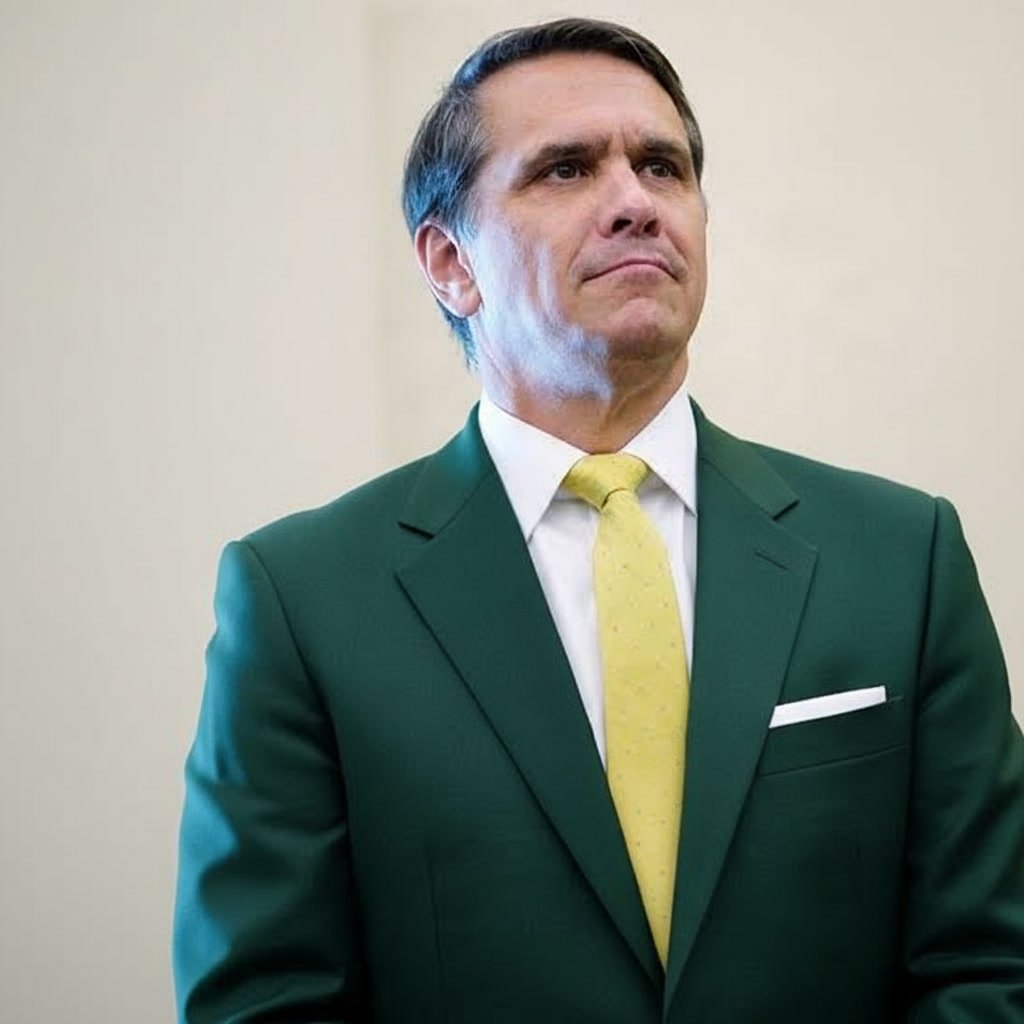
Acting Attorney General Todd Blanche recently told Congress that the administration was “not moving forward with the fund, period.” Yet, the very next day, Trump told reporters “I don’t know” when asked if the program was dead or alive. Judge Brinkema highlighted that no senior official has signed an official court document under penalty of perjury declaring the program permanently cancelled.
Justice Department lawyer Andrew Block was grilled by the judge on why the official internal memo creating the billions in funding has never been formally revoked. When Block admitted he had not spoken directly to the Attorney General about it, the judge shot back, stating she could not believe he lacked an answer on such a massive issue.
If allowed to resume, many note the $1.8 billion pool could be used to pay individuals who were prosecuted, and later pardoned by Trump for their actions during the U.S. Capitol riot on January 6, 2021. In a recent interview, Trump even refused to rule out using the cash to pay individuals convicted of assaulting law enforcement officers.
My Opinion
Using $1.8 billion in public taxpayer money to hand out cash rewards to people who attacked law enforcement is a dangerous degradation of national governance. Judge Brinkema is entirely right to demand these promises under penalty of perjury, because the double-talk coming out of the executive branch is shameful. You cannot have an Attorney General telling lawmakers a program is dead while the President tells the public he might still push it through.
When you look at how mature democracies handle public finance worldwide, this entire setup looks incredibly corrupt. If a Prime Minister in the United Kingdom or Canada tried to pull billions of pounds out of the national treasury to directly hand cash over to their personal supporters who were convicted of crimes, parliament would collapse the government within days. In most European democracies, using state funds as a private legal defense fund for political allies would trigger immediate criminal corruption investigations.
Taxpayer money belongs to the public for infrastructure, healthcare, and schools, not to act as a private slush fund to reward political loyalty or erase the decisions of impartial juries. If the administration truly intends to drop this plan, they should have no problem signing the paperwork under oath. The fact that they are fighting so hard against doing so tells you everything you need to know.
The Final Deadline to Put Guarantees in Writing
At the end of the day, the ongoing fight over Trump’s anti-weaponization fund now comes down to a tight, one-week ultimatum. Judge Brinkema has given the administration exactly seven days to submit signed, sworn declarations from Attorney General Todd Blanche and Treasury Secretary Scott Bessent confirming the program is dead for good. Until those official documents are signed under penalty of perjury, the federal government’s multi-billion-dollar plan remains completely locked down by the courts, ensuring that public tax dollars stay firmly out of the reach of private political interests.