Reports revealing that Trump’s White House remodel cost could hit $927 million have triggered fierce backlash after documents showed taxpayers will cover most of the bill. Confidential contracts and budget records reveal that the administration shifted hundreds of millions of dollars out of federal agencies like the Secret Service and White House Military Office directly into an executive upkeep account. This aggressive maneuver allowed officials to sidestep standard congressional oversight to build a massive East Wing ballroom, new helipads, and sprawling security upgrades.
How the $900M Trump White House Remodel Cost Was Hidden
For months, the administration pitched its executive mansion projects as mostly private-led efforts to update aging infrastructure. However, internal records uncover a far more complex and expensive strategy. The White House shifted $500 million from federal agency budgets into a routine maintenance account that usually gets only $2.5 million a year from lawmakers.
The $927 million grand total covers a gilded East Wing ballroom, expanded visitor screening centers, upgraded helipads, and overhaul work around Lafayette Square.
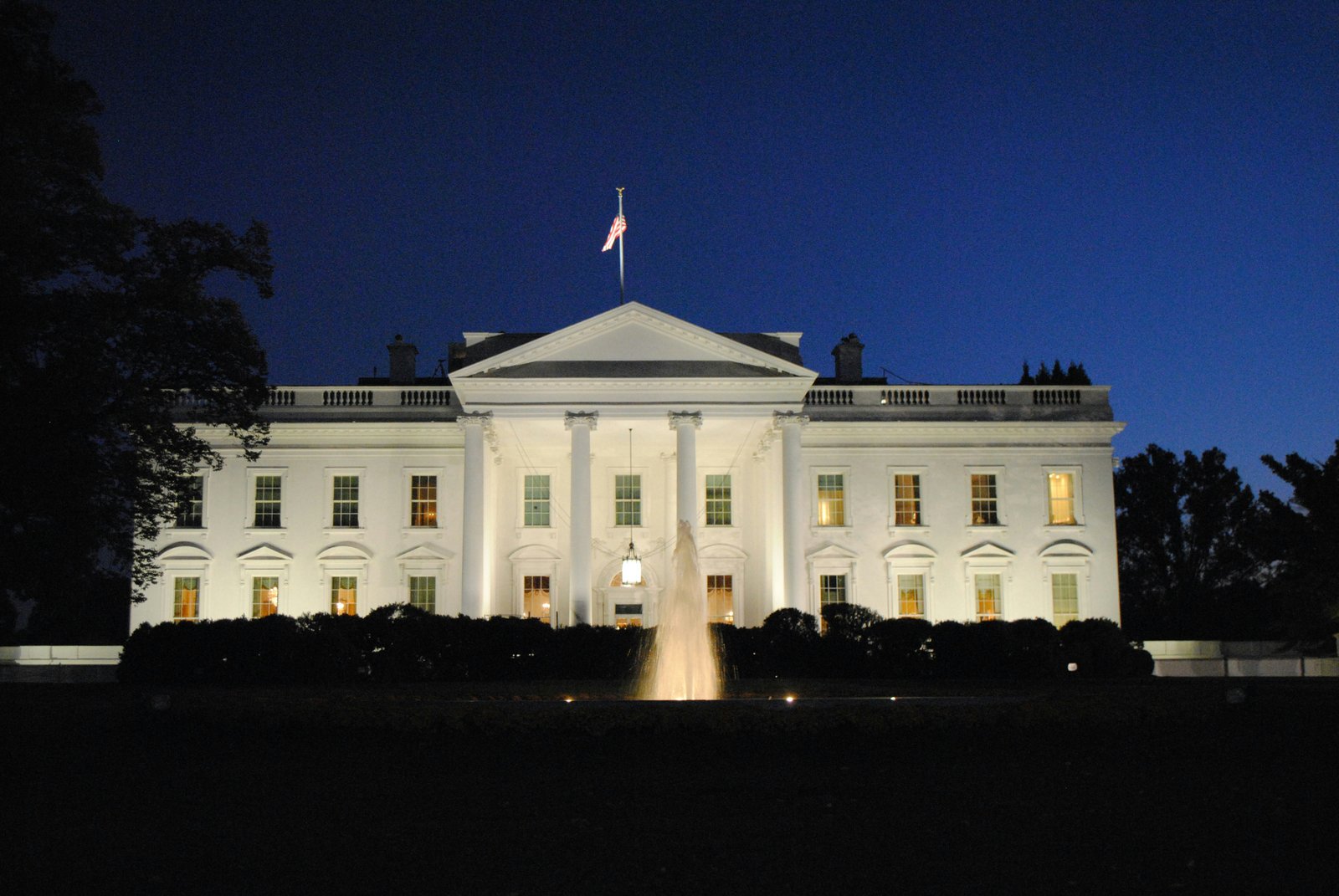
A federal appeals court recently stepped in, ruling that the administration lacks the legal authority to build a massive ballroom without explicit approval and funding from Congress.
My Opinion
Using sneaky accounting tricks to siphon nearly a billion dollars away from federal security and military budgets to finance a personal building spree is a complete misuse of power. The White House belongs to the American people, not to whichever president happens to be living in it at the moment.
Presidents have every right to repair aging pipes, improve building security, or fix structural issues. But quietly routing half a billion taxpayer dollars out of critical agencies to build a gilded ballroom and private helipad without public debate crosses a major line. The Constitution gives Congress sole power over federal spending for a reason to prevent any leader from using public money as a personal piggy bank.
Trying to hide these huge price tags inside quiet account transfers shows that officials knew everyday Americans would be furious about the spending. When families across the country are watching their budgets closely, watching their tax dollars get funneled into opulent renovation projects is frustrating. If a project is truly necessary for the country, the administration should make its case openly to Congress and ask for the money through the front door.
Bottom Line
The growing controversy over the Trump White House remodel cost brings up fundamental questions about presidential power and financial transparency. As federal courts challenge these off-the-books transfers, lawmakers must step up to enforce strict oversight rules. Public money should always go toward serving the public, not funding grand, unchecked construction projects inside the executive mansion.