
Truck drivers and other motorists all share a common priority: reaching their destinations safely.
However, a single reckless choice by another road user can have devastating consequences. Distraction, alcohol use, and drug impairment remain major contributors to road crashes.
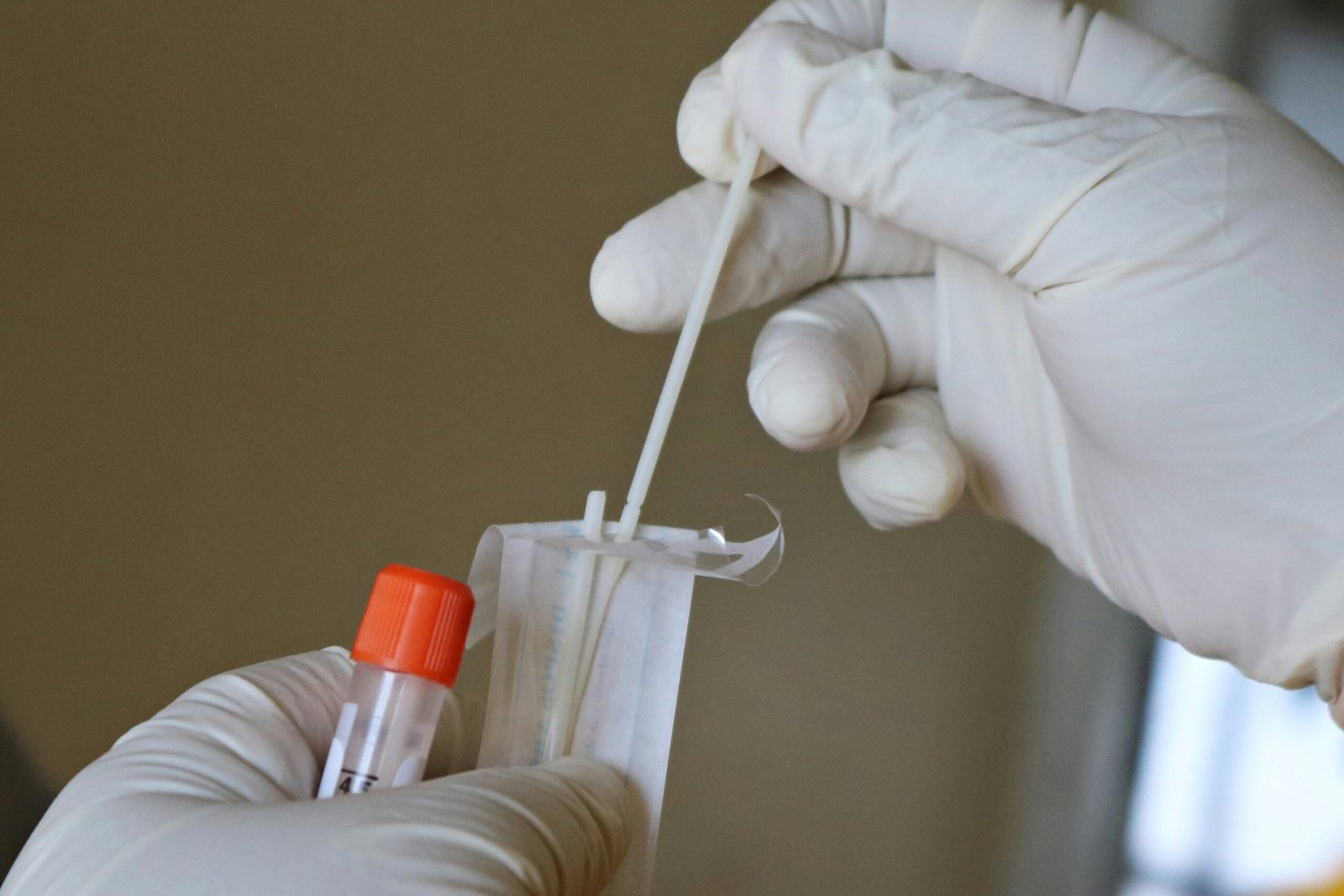
While breath tests have long been the standard method for detecting impaired driving, several states are now increasingly adopting saliva testing to help identify drug-related impairment.
At present, only Alabama and Indiana operate permanent, statewide roadside saliva-testing programmes.
Wisconsin legislators are focusing on drivers whose actions can cause life-altering consequences in a matter of seconds.
Data from the Wisconsin Department of Transportation shows that in 2024, impaired driving played a role in 7,067 crashes involving alcohol, drugs, or a combination of both.
A newly introduced law broadens the tools available to officers when checking drivers suspected of impairment.
The rule applies across different situations, whether someone is driving home after dinner or operating a boat on the water.
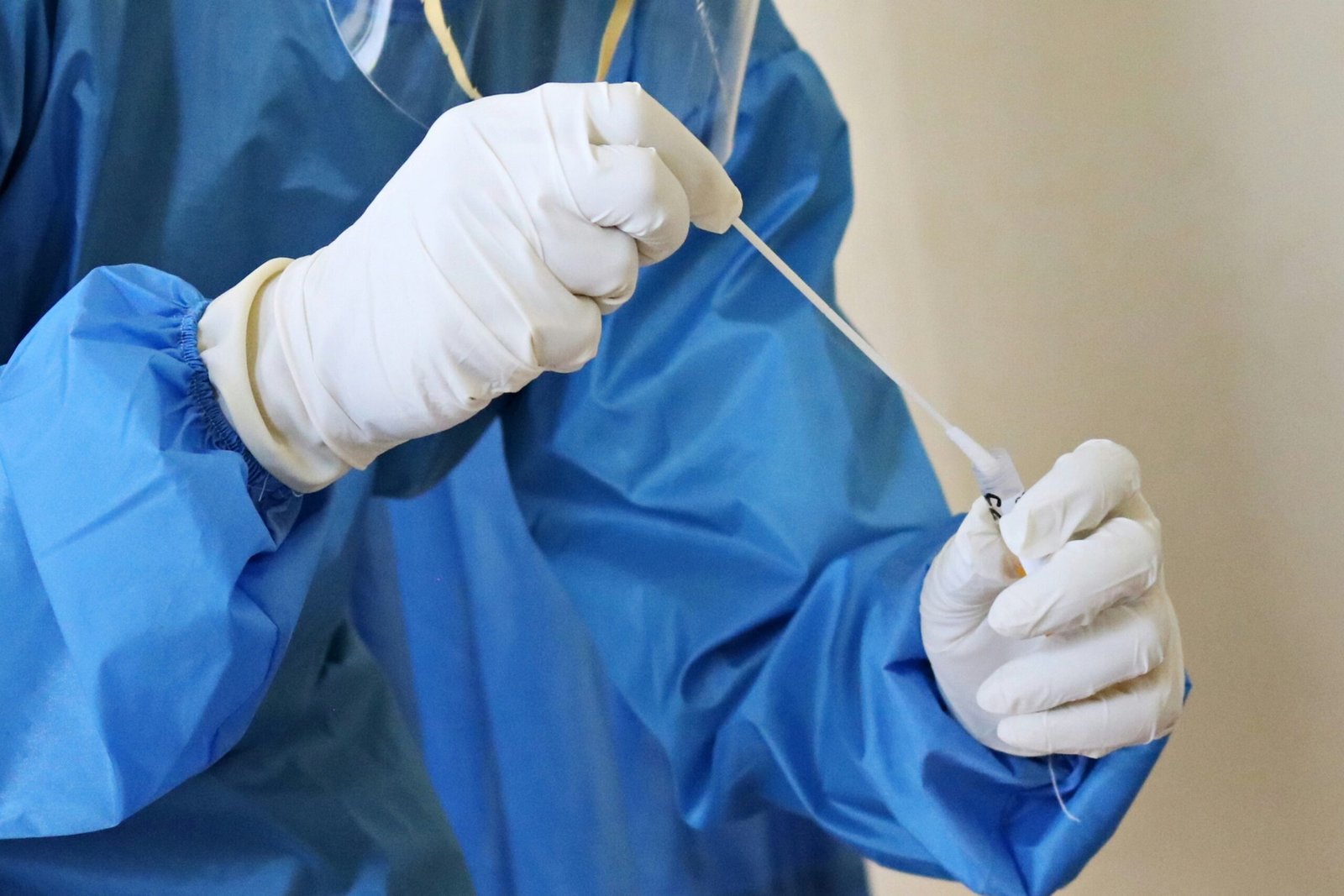
Under the updated provisions, officers are now permitted to administer a breath test, a saliva test, or a combination of both if drug impairment is suspected.
The results of these tests are not admissible as evidence of guilt. Instead, they are used solely to help officers determine probable cause for an arrest or to justify further testing.
Any saliva samples collected during preliminary screening must be either destroyed or returned afterward.
Rep. Barbara Dittrich, a Republican from Oconomowoc, described the legislation as a significant move toward improving road safety.
“Impaired operating harms and kills too many Wisconsin families every year,” Dittrich said. “Whether from alcohol, marijuana, opioids, other drugs, or a combination.”
She explained that the law equips officers with a quicker and less invasive option to identify possible drug impairment, particularly in cases where a breath test alone does not give the full picture.
Michigan lawmakers are currently reviewing a proposal that may alter roadside testing procedures for truck drivers.
The bipartisan bills, HB4390 and HB4391, would establish a statewide saliva-testing programme. Under the proposal, any law enforcement officer would be able to request that truck drivers or other motorists undergo a saliva test to detect possible drug use.
Test results could be admissible in criminal proceedings, and drivers who decline to take the test would be subject to penalties comparable to those imposed for refusing a breath test.
Proponents of the bill say the initiative is aimed at one clear objective — protecting lives.
Rep. Brian BeGole, a Republican from Antrim Township, cited data showing Michigan recorded 1,021 fatal crashes in 2023, with almost 25% involving drug use.
He argued that law enforcement must have all necessary tools to effectively combat drug-impaired driving.
The National Transportation Safety Board informed lawmakers that saliva testing can rapidly detect evidence of drug use, even before certain substances fully exit a driver’s system.
Opponents say they are not persuaded by the scientific basis for roadside saliva testing. They also argue that such tests cannot measure drug levels in the body or conclusively show whether a driver was impaired at the time.
The bill has passed the House and is now pending review by a Senate committee.