Peace talks between Iran and the United States have wrapped up in Bürgenstock, Switzerland, with both sides agreeing to a 60-day road map to secure a final deal to end the war.
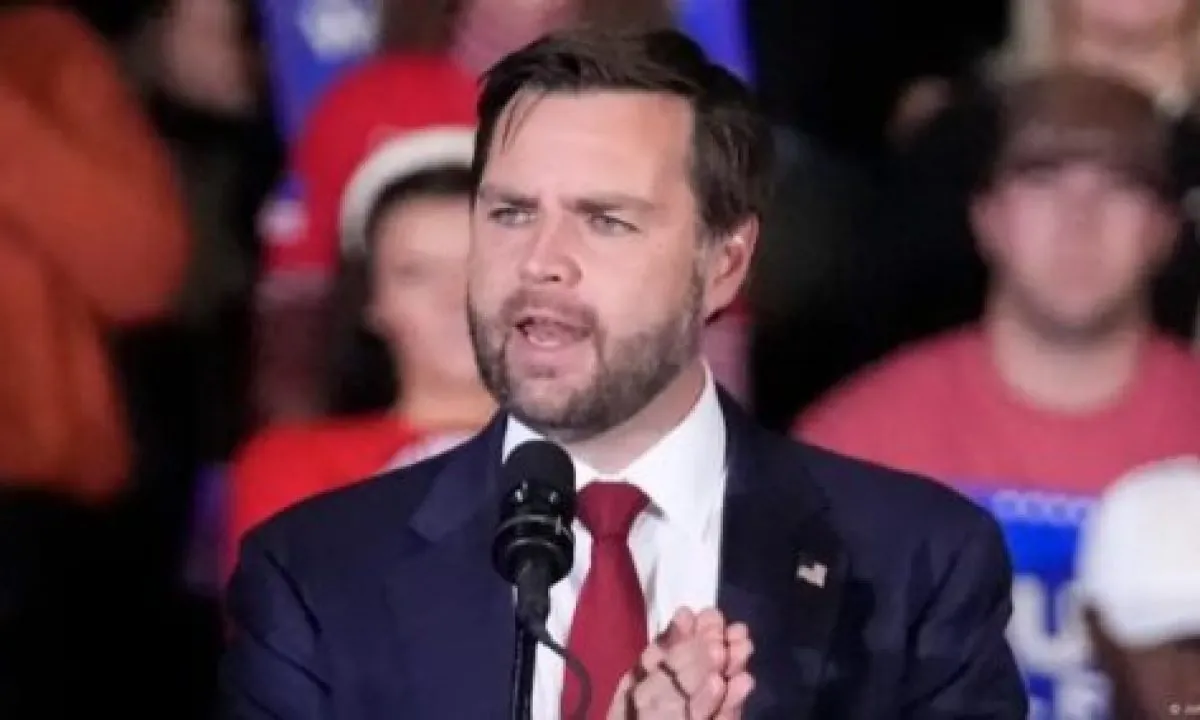
Vice President JD Vance announced Monday that the marathon 18-hour session successfully laid a “good foundation” for a lasting treaty, despite early diplomatic friction caused by renewed social media warnings from President Donald Trump.
Key Breakthroughs from the Switzerland Summit
The intensive diplomatic session, mediated by Qatar and Pakistan, yielded several agreements designed to pause the conflict and transition into deep technical negotiations.
Iran has agreed to let International Atomic Energy Agency (IAEA) inspectors back into the country to monitor its nuclear program. To stabilize global markets and ease the global oil supply issue, both nations established a direct communication line to ensure safe, unblocked passage for commercial vessels through the vital trade route.
A joint communication cell involving the U.S., Iran, and Lebanon was set up to enforce the ceasefire and stop fighting between Israel and Iranian-backed Hezbollah.
Trump’s son-in-law, Jared Kushner, proposed an arrangement where frozen Iranian assets could be unlocked with U.S. and Qatari approval to buy American soy, corn, and wheat. “We laid a very good foundation for a successful final deal. The final deal is the house. We set the foundation. We haven’t built the house, but we’ve laid a successful foundation to get to a good place for the American people.”
— Vice President JD Vance
Overcoming Tensions on the Sidelines
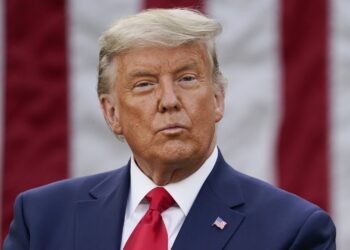
The talks almost fell apart before they began. President Donald Trump posted warnings on Sunday stating that the U.S. would “hit Iran very hard” if its proxies in Lebanon continued fighting, later adding in a Fox News interview that the U.S. would act decisively if Iran blocked the Strait of Hormuz. Iranian Foreign Ministry spokesman Esmail Baghaei warned that Tehran would halt direct talks if such threats continued. However, the Iranian delegation, led by Parliament Speaker Mohammad Bagher Ghalibaf and Foreign Minister Seyed Abbas Araghchi, stayed at the table to finalize the 60-day framework.
My Opinion
While I am incredibly relieved that a roadmap to peace has been established, the administration’s reckless approach to international diplomacy is terrifying. Vice President Vance is acting like a builder who is bragging about laying a solid foundation for a house, while his boss is standing right next to him with a box of matches threatening to burn the whole structure to the ground.
International diplomacy during an active war requires extreme precision, careful planning, and calm temperaments, not emotional, late-night social media rants. Bragging about “blowing things up” while your own diplomats are sitting across the table trying to prevent a global catastrophe is not a smart business strategy; it is dangerous.
Following the announcement of the 60-day road map, global oil prices dropped immediately, relieving international market anxieties over energy shortages. A newly formed High-Level Committee will now take over political oversight as lower-level teams continue technical negotiations regarding sanctions and dispute resolution over the next two months.