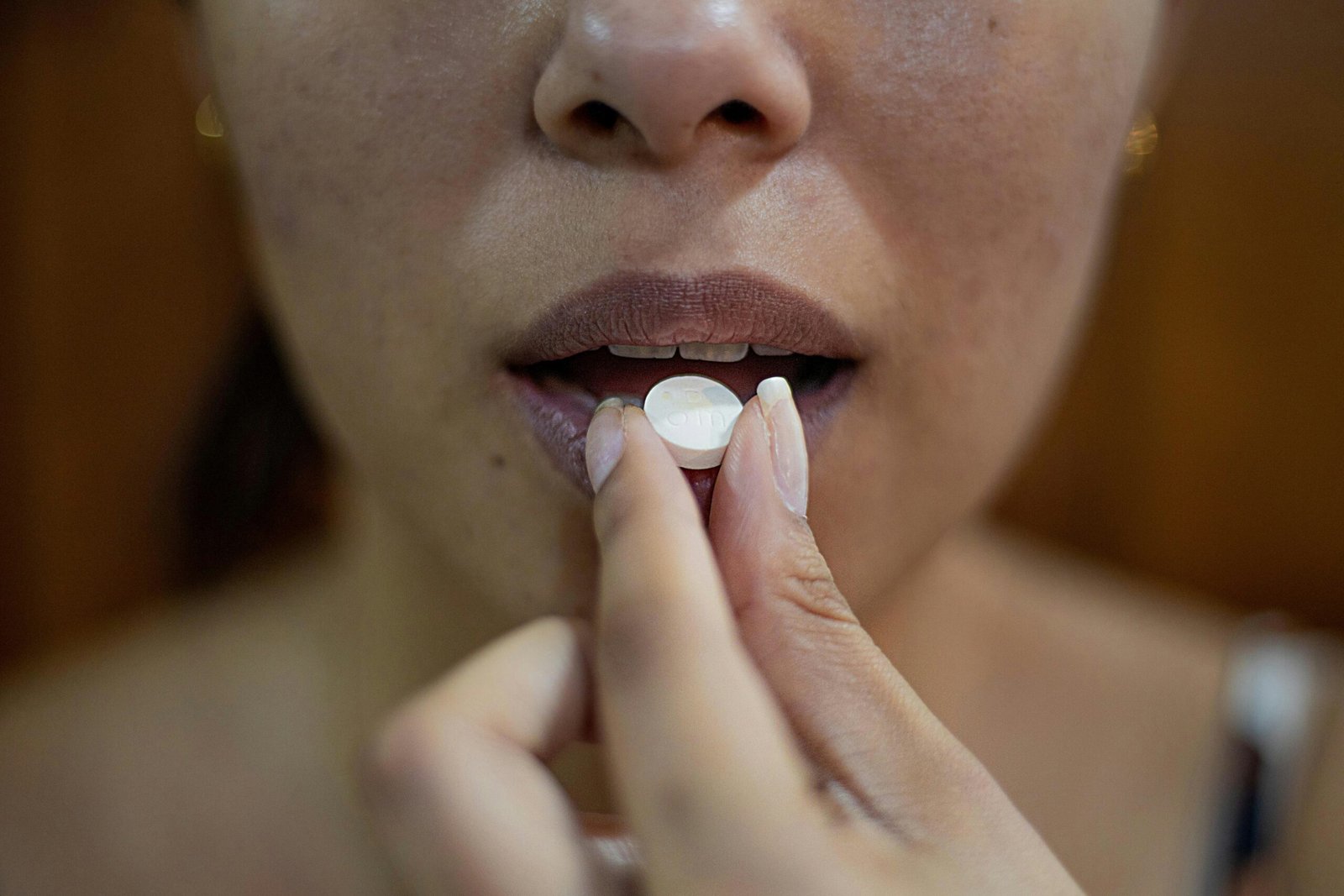

Four years after the Supreme Court overturned Roe v. Wade, the number of abortions in the United States has nearly doubled, according to new data from the Society of Family Planning.
The dramatic increase comes despite near-total bans in roughly half the states. The reason: telehealth and mailed abortion pills have fundamentally changed how Americans access the procedure.
“It used to be that you could only get the abortion pill mifepristone by actually going to see a doctor in person,” Kate Wells of KFF Health News told NPR. “The FDA removed that restriction during the pandemic, and then in 2022, when Roe v. Wade fell, we saw this proliferation of these online and telehealth companies that will essentially mail you the pill to your home over state lines.”
That has made it easier in states like Louisiana to get abortion pills now than it was when Roe was still the law of the land.
The Backup Plan
Anti-abortion groups have sued to block telehealth access, and in May, a lawsuit made it to the Supreme Court. During that fight, it became effectively illegal to mail mifepristone for a weekend. But it did not change anything.
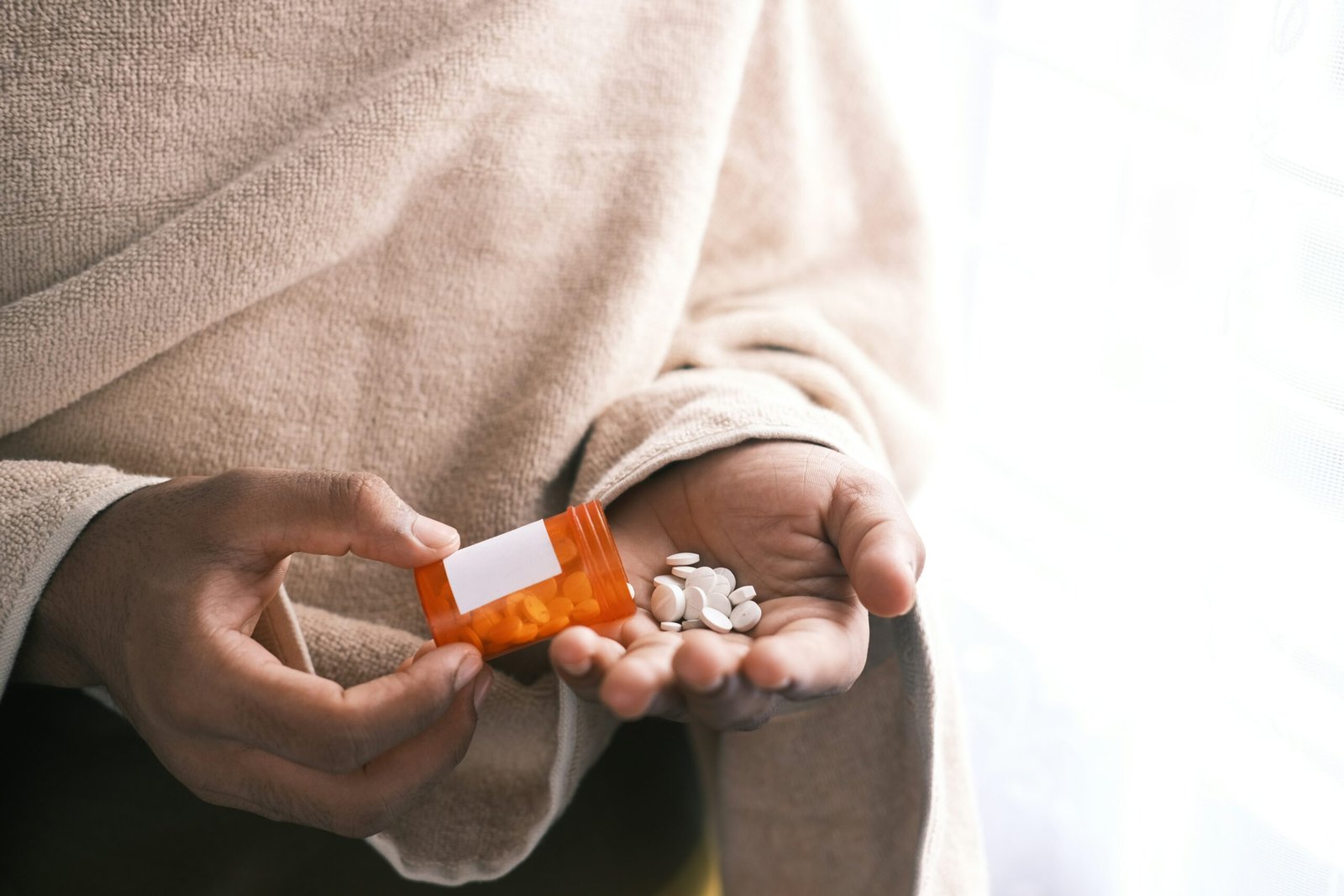
Telehealth providers had a backup plan: they mailed out the other abortion pill, misoprostol.
Dr. Angel Foster of the Massachusetts Medication Abortion Project told NPR that during that weekend, they offered patients a refund, a wait, or misoprostol. She warned that a medication abortion with just misoprostol can take longer, be more painful, and be slightly less effective.
“The vast majority of our patients wanted misoprostol only,” Foster said. “They didn’t care. Their response was, ‘whatever can get to me fastest.'”
A Changed Landscape
The way people access abortion has fundamentally changed. Even if telehealth providers in the US are shut down, patients are already getting these medications from outside the country.
Kristi Hamrick of Students for Life of America expressed frustration, particularly with the Trump administration, which anti-abortion groups expected would do more to crack down on access. “That doesn’t get to the fact that the No. 1 way in which babies die in the womb in America today is biochemical abortion pills,” she said.
The Bottom Line
Abortions in the United States have nearly doubled since the Supreme Court overturned Roe v. Wade, despite bans in roughly half the states. Telehealth and mailed abortion pills have made access easier, and providers have developed backup plans to circumvent legal restrictions. Anti-abortion groups are frustrated with the Trump administration’s response and are pushing for further action.