• Home
  • News
  • Entertainment
  • Tech
  • Fashion & Lifestyle
  • Food & Nutrition
  • Health
Federal Character
No Result
View All Result
Federal Character
  • Home
  • News
  • Entertainment
  • Tech
  • Fashion & Lifestyle
  • Food & Nutrition
  • Health
No Result
View All Result
Federal Character
No Result
View All Result
Supreme Court Voting Rights Ruling Ends Key Protections in 7 States

Supreme Court Voting Rights Ruling Ends Key Protections in 7 States

Eriki Joan UgunushebyEriki Joan Ugunushe
22 minutes ago
in Government
Reading Time: 3 mins read
A A
0
Facebook ShareWhatsapp ShareX Share

The public is reacting sharply to a new Supreme Court voting rights ruling that ends key protections in 7 states after the highest court in the country refused to review a major legal challenge from Arkansas on Monday morning. By letting a lower court’s decision stand, the justices have fundamentally changed how civil rights laws are protected, stopping everyday citizens and local advocacy groups from filing federal lawsuits to fight ballot box discrimination.

This decision leaves millions of voters with disabilities or language barriers without their usual legal protections just months before major elections.

Table of Contents

Toggle
  • The Affected Region and the New Rules
  • Shifting the Burden to Washington
  • My Opinion
  • Current National Impact

The Affected Region and the New Rules

The decision directly impacts a portion of the American Midwest, permanently changing the rules for people living in seven specific states:

1. Arkansas

2. Iowa

3. Minnesota

4. Missouri

5. Nebraska

6. North Dakota

7. South Dakota
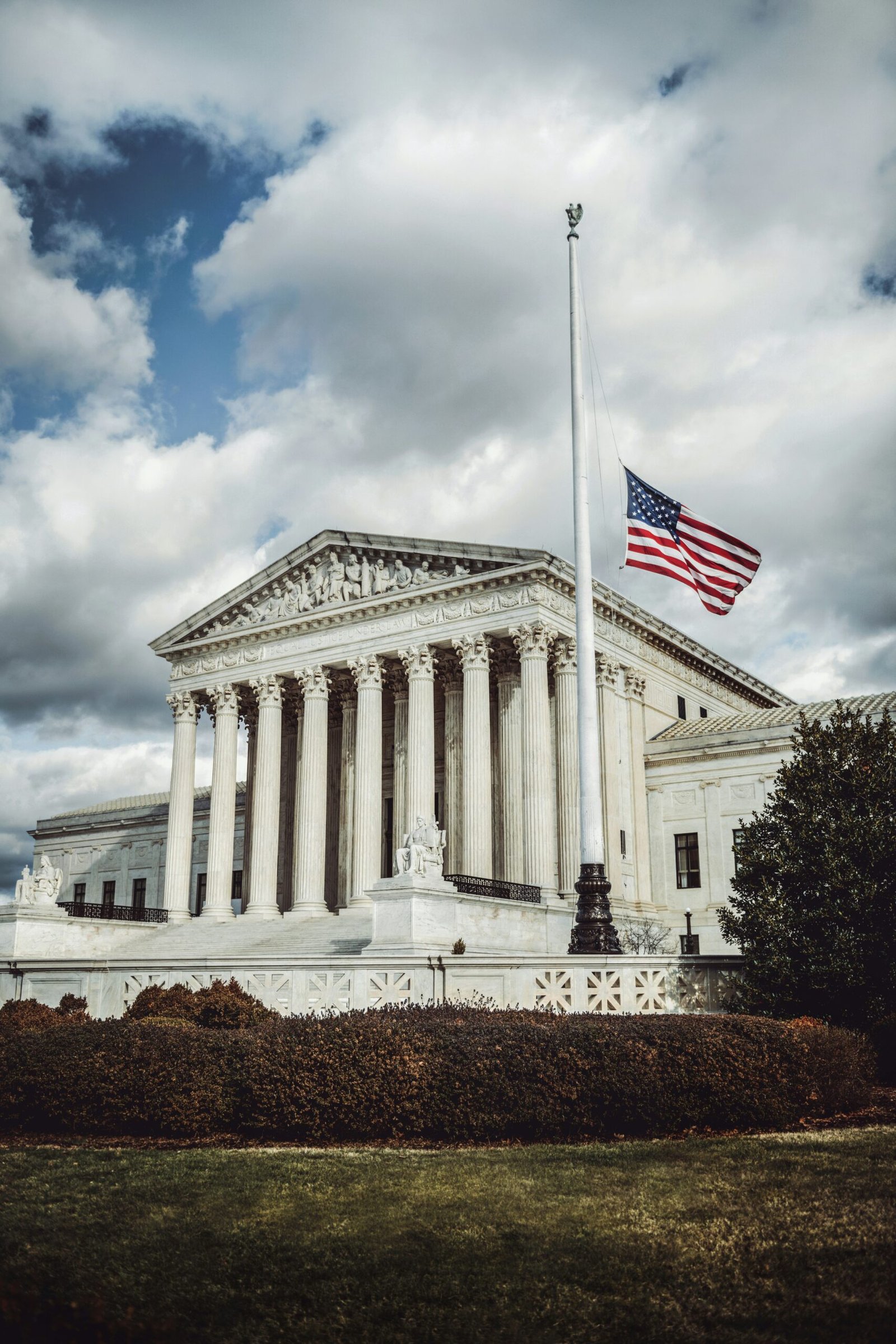
Supreme Court Voting Rights Ruling Ends Key Protections in 7 States

In these specific states, local civil rights groups can no longer go to court to enforce Section 208 of the Voting Rights Act. This crucial rule explicitly states that any voter who is blind, disabled, or unable to read or write has the legal right to choose someone they trust to come inside the voting booth and help them fill out their ballot.

Shifting the Burden to Washington

For over fifty years, everyday citizens and local non-profits, rather than federal government lawyers, have filed the vast majority of lawsuits to protect minority communities at the polls.

However, conservative officials successfully argued that the text of the Voting Rights Act only gives enforcement powers to the U.S. Attorney General. Because the federal Department of Justice has limited staff, limited funding, and constantly changes its focus with every new president, experts warn that voting rights enforcement will now sharply decline across the country.

The original legal battle started when a local non-profit called Arkansas United provided Spanish-language translators to help people vote. When the state passed a law trying to limit that translation help, the group sued. State officials fought back by claiming that private organizations had no legal standing to bring the case to court in the first place, a rule that is now officially the law across the region.

My Opinion

Closing the courtroom door to regular people is a direct and calculated attack on the fairness of American elections. The federal government in Washington cannot possibly monitor every single county clerk or rural polling place across seven massive states. Expecting a slow bureaucracy to swoop in and save local voters from discrimination is completely unrealistic.

If an elderly grandmother needs her grandson to translate a complicated ballot, or if a blind voter needs assistance, they should have that right without being blocked by state laws.

By taking away the power of local communities to sue when their rights are violated, the courts have essentially left vulnerable voters defenseless. Forcing citizens to sit back and hope that Washington politicians decide to care about their local polling problems means that, for many people, the help will arrive long after the election is already over.

Current National Impact

Because the Supreme Court chose not to write a long, official explanation for its order on Monday, this new standard only applies to the seven states covered by the local appeals court. In the rest of the United States, private individuals can still file lawsuits to protect their right to vote.

However, as this Supreme Court voting rights ruling ends key protections in 7 states, legal experts fully expect other conservative states to quickly copy the Arkansas strategy, creating a wave of local restrictions that will eventually force the high court to make a permanent, nationwide rule.

Tags: federal characterForeign NewsNewsProtectionsSupreme CourtVoting Rights
Share234SendTweet146
Eriki Joan Ugunushe

Eriki Joan Ugunushe

Eriki Joan Ugunushe is a dedicated news writer and an aspiring entertainment and media lawyer. Graduated from the University of Ibadan, she combines her legal acumen with a passion for writing to craft compelling news stories.Eriki's commitment to effective communication shines through her participation in the Jobberman soft skills training, where she honed her abilities to overcome communication barriers, embrace the email culture, and provide and receive constructive feedback. She has also nurtured her creativity skills, understanding how creativity fosters critical thinking—a valuable asset in both writing and law.

Related Stories

Judge Blocks Trump Subpoenas Targeting Gov. Walz and Mayor Frey

Judge Blocks Trump Subpoenas Targeting Gov. Walz and Mayor Frey

byEriki Joan Ugunushe
0

A federal court in Minnesota has delivered a legal rebuke to the White House, ruling that the federal government cannot weaponize criminal investigations against local politicians. On Monday,...

Trump Hikes Citizenship Fee to $1,330 to Block Low-Income Immigrants

Trump Hikes Citizenship Fee to $1,330 to Block Low-Income Immigrants

byEriki Joan Ugunushe
0

On Monday, U.S. Citizenship and Immigration Services (USCIS) rolled out a new proposal designed to drastically change how the country handles naturalization. The primary takeaway from the announcement...

US-Iran War: JD Vance Signals 60-Day Road Map for Final Peace Deal

US-Iran War: JD Vance Signals 60-Day Road Map for Final Peace Deal

byEriki Joan Ugunushe
0

Peace talks between Iran and the United States have wrapped up in Bürgenstock, Switzerland, with both sides agreeing to a 60-day road map to secure a final deal...

US Abortions Nearly Double Despite State Bans, Driven by Telehealth and Mailed Pills

US Abortions Nearly Double Despite State Bans, Driven by Telehealth and Mailed Pills

bySomto Nwanolue
0

Four years after the Supreme Court overturned Roe v. Wade, the number of abortions in the United States has nearly doubled, according to new data from the Society...

Next Post
Judge Blocks Trump Subpoenas Targeting Gov. Walz and Mayor Frey

Judge Blocks Trump Subpoenas Targeting Gov. Walz and Mayor Frey

Leave a Reply Cancel reply

Your email address will not be published. Required fields are marked *

We bring to you precise and factual news

Recent Posts

  • Judge Blocks Trump Subpoenas Targeting Gov. Walz and Mayor Frey
  • Supreme Court Voting Rights Ruling Ends Key Protections in 7 States
  • Who is Andy Burnham? Meet Keir Starmer’s Likely Replacement

Categories

  • Beauty
  • Business & Finance
  • Entertainment
  • Fashion & Lifestyle
  • Food & Nutrition
  • Government
  • Health
  • News
  • Politics
  • Sports
  • Tech

Weekly Newsletter

  • About Federal Character | Baltimore, Maryland Newspaper
  • Advertise With Federal Character | Baltimore, Maryland
  • Cookie Policy | Federal Character, Baltimore, Maryland

Copyright © FederalCharacter.com 2026 .

Welcome Back!

Login to your account below

Forgotten Password?

Retrieve your password

Please enter your username or email address to reset your password.

Log In
No Result
View All Result
  • Home
  • News
  • Entertainment
  • Tech
  • Fashion & Lifestyle
  • Food & Nutrition
  • Health

Copyright © FederalCharacter.com 2026 .