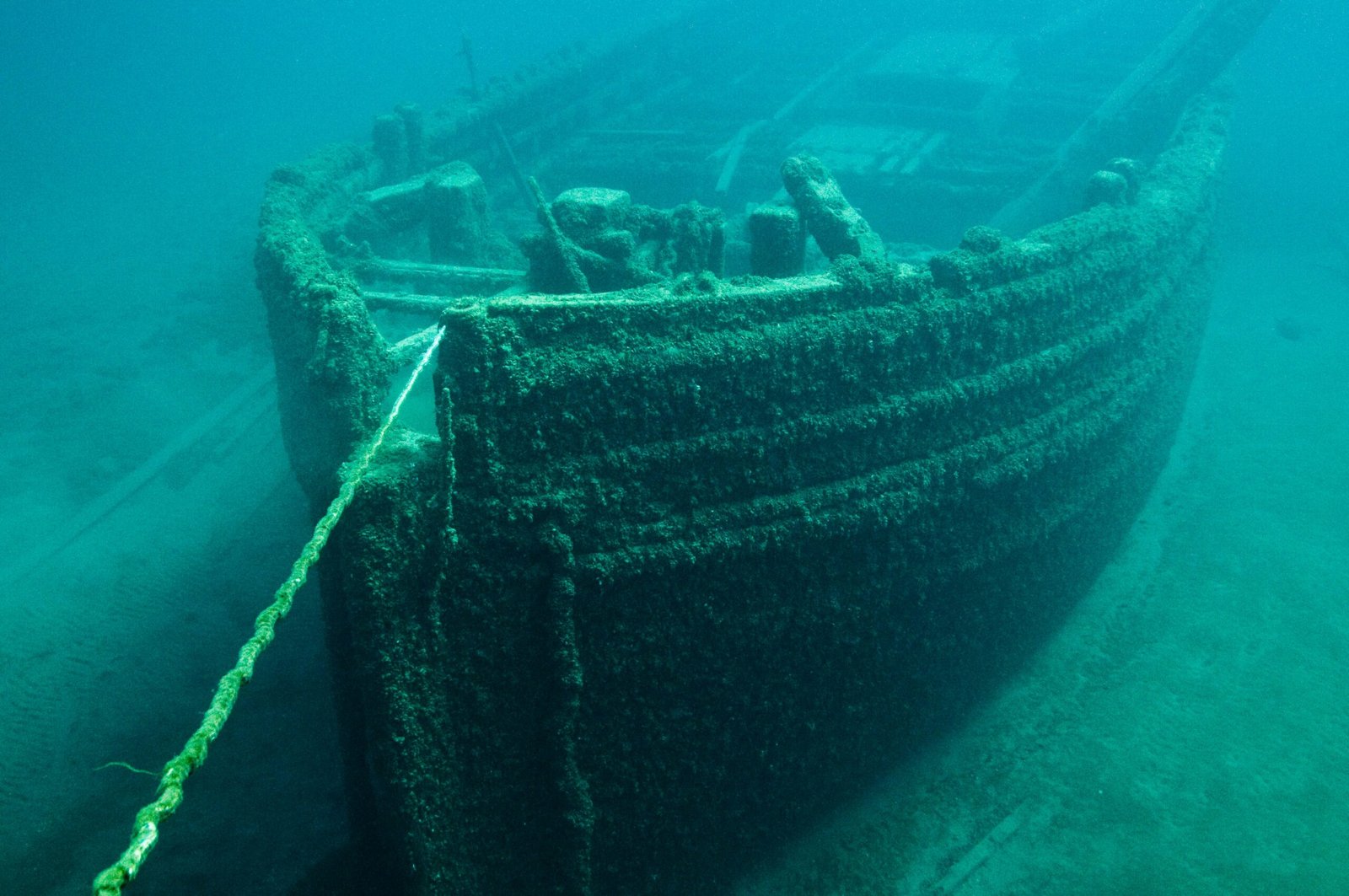

The U.S government has blocked the private sale of Titanic wreckage items ahead of a planned multi-million dollar auction. Newly unsealed federal court documents show that federal authorities are stepping in to halt an auction of more than 100 artifacts recovered directly from the North Atlantic Ocean floor.
The government insists that these precious historical items belong in public museums, rather than hidden away in the private collections of wealthy individuals.
The Items Slated for the Forbidden Auction
The company behind the controversial sale is Georgia-based RMS Titanic Inc., which holds the exclusive legal salvage rights to the underwater site. For decades, the firm made money solely by displaying its collection on global tours, but it recently proposed selling off choice pieces to private buyers.
The items federal authorities are fighting to protect include:
1. Intricate Decor: A bronze cherub statue that once adorned the ship’s luxury interiors.
2. High-Value Jewelry: A necklace made of raw gold nuggets and a delicate heart-shaped pendant.
3. Personal Belongings: Currency, clothing items, and kitchen tools used by passengers before the ship sank during its maiden voyage in 1912.
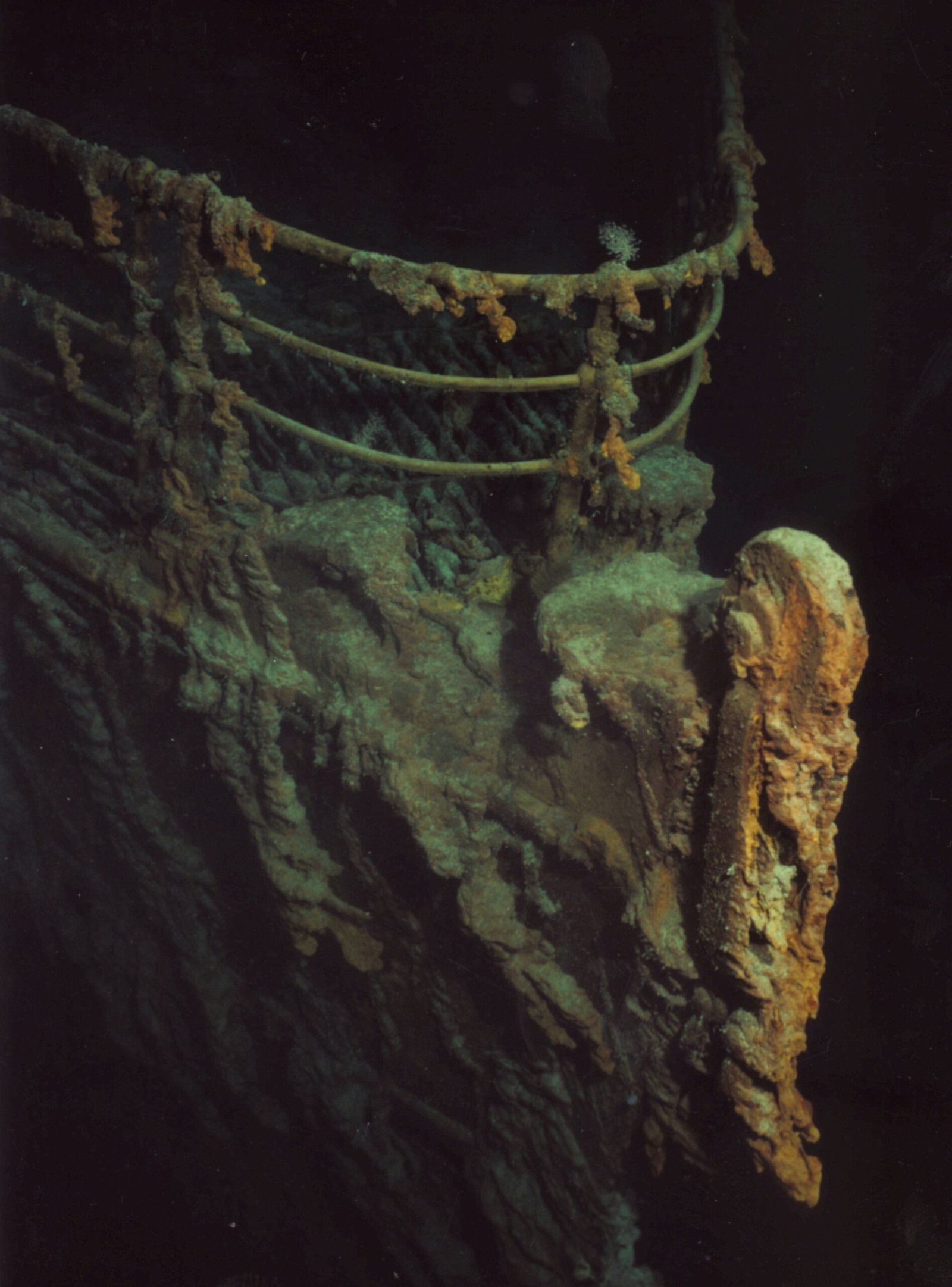
The National Oceanic and Atmospheric Administration (NOAA) is leading the legal fight. Government lawyers argue that breaking up the collection violates prior international treaties and domestic court orders requiring all salvaged items to stay together as a single, shared historical archive.
Why Certain Titanic Items Can Still Be Sold
The current legal block specifically targets items pulled directly from the ocean floor wreckage by salvage teams. Interestingly, a loophole exists for items that never sank to the bottom of the sea.
Objects that were saved by survivors in lifeboats, or plucked out of the freezing water by rescue ships immediately after the disaster, remain legal to buy and sell.
My Opinion
The federal government is right to block this auction. The Titanic is not an underwater treasury for a private corporation to plunder whenever it runs into financial trouble; it is a maritime memorial where over 1,500 people lost their lives. Allowing a private company to sell off individual pieces like a gold necklace or a bronze cherub means these items will disappear into a billionaire’s mansion, never to be seen by the public again.
Explorers and historians should be allowed to study the wreck, but turning human tragedy into a marketplace for elite status symbols is repulsive. If a wealthy collector wants to admire a piece of history, they should buy a ticket to a public exhibit like everyone else.
The courts must stand firm on this issue. If we allow the integrity of the collection to be compromised now, the wreck will eventually be picked clean by the highest bidder, destroying our chance to preserve the true memory of those who perished.
What Happens Next?
The case is currently being decided in a federal district court in Norfolk, Virginia. RMS Titanic Inc. argues that the U.S. government lacks jurisdiction over a portion of the artifacts because they were processed through French oceanographic partnerships decades ago.
While the legal battle plays out behind closed doors, the international tour and auction remain entirely frozen. If the government wins, it will set a powerful precedent ensuring that no future explorer can legally liquidate deep-sea historical artifacts for private corporate profit.