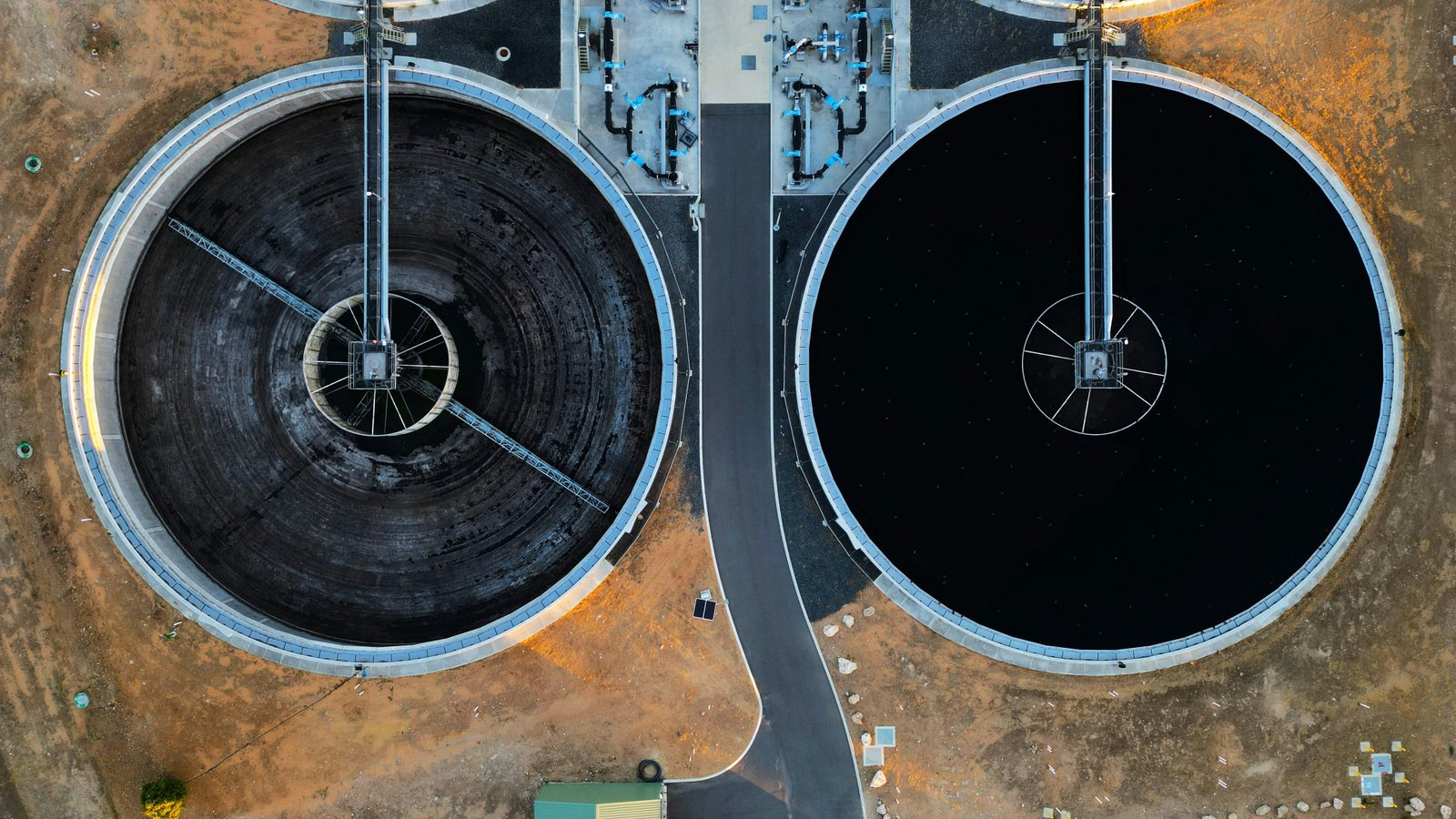
Facing dangerous cyber threats and dwindling federal funding, the U.S. water industry turns to AI and volunteer security researchers to guard local treatment plants. Following targeted foreign cyberattacks against municipal utilities across the country, local water suppliers are seeking new ways to protect essential water supplies. To bridge the gap, researchers at Vanderbilt University are building advanced digital simulations to monitor plant networks in real time, helping small public utilities detect intrusions before harmful damage occurs.
Why the U.S. Water Industry Turns to AI and Digital Twins
Small municipal water districts often operate on tight budgets without dedicated cybersecurity departments. When hostile actors target control systems, local operators struggle to respond quickly. Digital twin technology creates exact virtual models of physical water plants, letting automated systems monitor every pipe, pump, and valve without interrupting daily operations.
Collaborating with academic researchers and independent security experts gives smaller cities access to top-tier defense tools that would otherwise cost millions of dollars. These volunteer network defenses allow utility staff to focus on delivering clean water while software monitors suspicious network traffic 24 hours a day.
My Opinion
Relying on volunteers and university projects to protect drinking water shows just how vulnerable basic infrastructure really is. While Vanderbilt University’s digital twin initiative is brilliant and necessary, local communities should not have to rely on academic goodwill to keep foreign hackers out of their water supply.
Clean water is not an optional service. If a cyberattack disables a treatment plant or alters chemical balances, the consequences affect entire cities within hours. Federal programs have cut back support at the exact moment cyber threats are growing more sophisticated. That forces small town utilities to improvise defenses on shoestring budgets.
Automated software and ethical hackers are great low-cost tools, but they cannot replace a funded national strategy. Every municipal water district in America needs permanent security standards, direct federal grants, and professional monitoring. Protecting the water we drink is a matter of public safety, and it deserves long-term commitment from lawmakers.
Bottom Line
The shift as the U.S. water industry turns to AI represents a practical, innovative response to a growing national security challenge. By pairing machine learning models with crowd-sourced security expertise, local utility operators are building stronger defenses against foreign cyberattacks. Protecting municipal infrastructure will require sustained support, but modern technology gives local communities a fighting chance.