Hopes were fading Monday that survivors might still be found from the powerful twin earthquakes that rocked Venezuela, even as more international teams arrived to boost desperate search efforts.
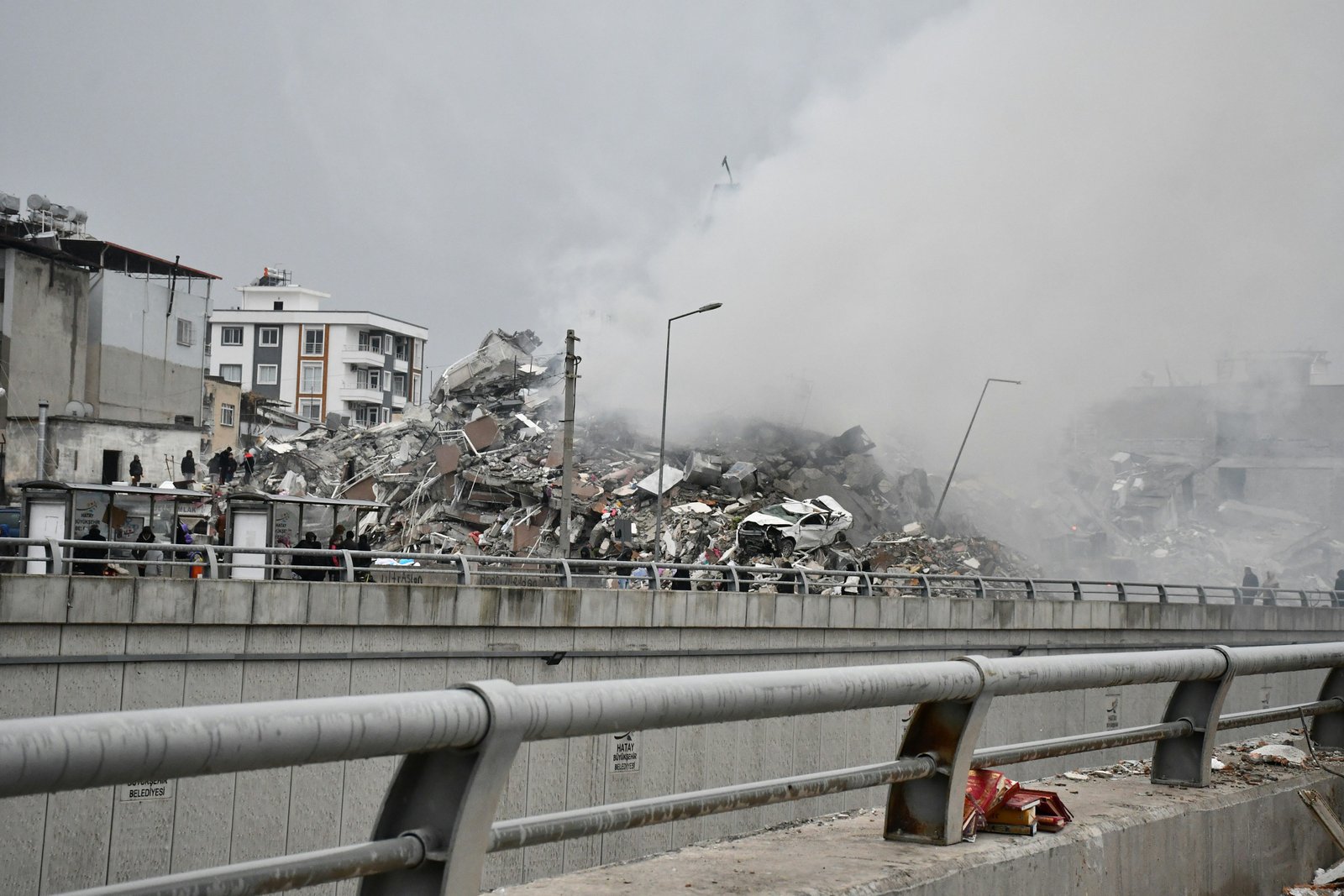
The death toll has risen to 1,450, but tens of thousands remain unaccounted for amid growing criticism of the government’s response and limited access to heavy equipment in the hardest-hit state of La Guaira. Some 3,150 were also injured and 12,721 people displaced, Venezuelan National Assembly President Jorge Rodríguez said Sunday, adding that time was running out to rescue those still trapped beneath mountains of debris.
“We are in critical hours, in crucial hours to continue rescuing lives and to build camps where those people who have lost their homes, or who cannot return, for whatever reason, to their residences can stay,” Rodriguez said in a televised address.
The Rescue Effort
A critical 72-hour window for rescuing people trapped beneath collapsed buildings has now passed. However, a weekend that saw glimmers of hope for local residents and foreign responders scouring the rubble — including a father and his son pulled out alive after four days — offered some encouragement.
In a televised address Sunday, interim President Delcy Rodríguez said that search and rescue operations would continue after 33 people had been found over the weekend. “We recovered people alive today,” she said. “Therefore, the rescue operations will not be suspended.”
She added that electricity, water, and road access had been largely restored in La Guaira, a coastal area near the capital, Caracas.
More than 46,000 people were missing, according to a website created to help families share details and the last known locations of their loved ones. It was not known how many of those reported missing had been found.
International Aid
Even as the chances of finding survivors diminished with every passing hour, Venezuelans continued using shovels, ropes, and their bare hands as they dug through mountains of collapsed concrete. They were joined by a growing number of international rescue teams, who pulled multiple survivors from the wreckage, offering desperate families a rare glimmer of hope.
Among the rescues, teams from the United States, France, and Venezuela pulled a man and his son from the ruins Sunday morning after they had spent four days trapped beneath the rubble. Covered in dust, the pair were carried on a black tarp into an ambulance, where they were given intravenous fluids for hydration.
The State Department separately posted a video on X showing helmeted rescuers lifting a crying baby, wrapped in a blanket, from the rubble. A Colombian rescue team also saved an 11-year-old boy who had been trapped about 10 feet beneath the debris after locating him with a scanner. He was carried away on a stretcher with a broken arm, while his mother and sister were killed.
The United Nations humanitarian affairs agency said Saturday that a total of 44 international urban search and rescue teams, comprising 2,245 specialists and 140 search dogs, had been deployed to Venezuela. More teams, including rescuers from Israel, arrived Monday. The US Southern Command shared a post on X early Monday showing Marines assisting the ongoing search and rescue efforts, saying they were working “around the clock.”
Frustration with Government Response
But while a few people were found alive, such rescues became increasingly rare, and with each passing hour the operation was increasingly shifting from a search for survivors to the recovery of bodies.
Frustration has mounted over what many Venezuelans saw as an inadequate government response, with soldiers, firefighters, police, and emergency services struggling to respond to the scale of the disaster. Many residents felt precious time had been lost, watching the chances of finding loved ones alive diminish.
Although the acting president said on state television that more than 14,000 military personnel and police officers had been deployed to assist with rescue efforts and maintain security, many residents in the disaster zone said they had seen little evidence of that presence.
“My family has been here since Wednesday after what happened,” Oraimis Rodriguez Ramirez, a member of a family who organized themselves as a rescue brigade, told NBC News over the weekend outside one of the collapsed buildings in Caracas. She said no trained personnel or rescue teams were seen on site, adding: “We have no answers, there’s no organization.”
A number of civilians blocked an excavator from leaving the site of a collapsed building after state workers took selfies in front of the flattened buildings and left without helping, according to The Associated Press.
The Political Context
The disaster poses a major challenge for Delcy Rodríguez, the former vice president who took office in January following the US capture of Nicolás Maduro. Venezuela has endured more than a decade of economic turmoil, and many continue to reject the legitimacy of the political movement Rodríguez represents.
The Bottom Line
The death toll from the twin earthquakes that struck Venezuela has risen to 1,450, with thousands still missing in the hardest-hit state of La Guaira. A critical 72-hour rescue window has passed, but international teams continue to pull survivors from the rubble. Frustration is growing over the government’s response, with residents reporting a lack of organisation and help. More than 46,000 people remain unaccounted for.