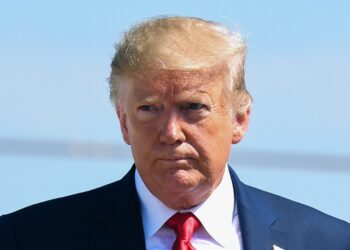
Just forty-eight hours after American aircraft bombed Iranian military bases and Iran fired retaliatory missiles at U.S. allies in the Gulf, both nations have agreed to drop their weapons and head back to the negotiation table. Many are already asking if Trump has blinked, as the U.S unfreezes $6 billion for Iran after swapping missile strikes. The White House agrees to financial concessions to keep a shaky peace deal alive.
From Battlefield to the Negotiation Table
The intense weekend conflict began when Iranian drones attacked a commercial cargo ship, prompting immediate retaliatory airstrikes from U.S. forces. Iran struck back by firing missiles toward American military assets stationed in Bahrain and Kuwait. U.S. defense systems successfully intercepted the incoming missiles with zero American casualties.
Instead of launching another round of attacks, President Trump announced on his Truth Social platform that American and Iranian officials will hold an emergency meeting on Tuesday in Doha, Qatar. The sudden diplomatic talks were requested directly by Tehran after both sides quietly agreed to pause the fighting and allow international cargo ships to move safely through the Strait of Hormuz waterway.
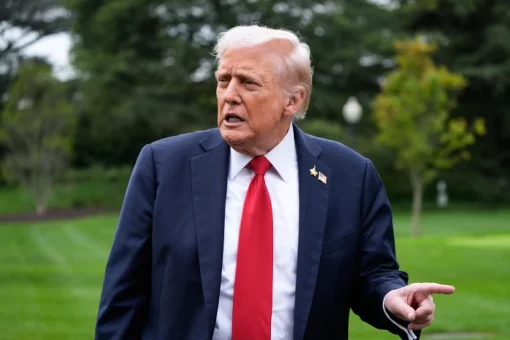
My Opinion
This shift from heavy airstrikes to financial rewards is a terrible look for American foreign policy. Over the weekend, the administration talked tough, promising that Iranian violence would be met with overwhelming force. Yet, the moment Iran launches a few missiles at U.S. bases, Washington seemingly panics and moves to hand over billions of dollars to the very regime that just attacked them.
Sending $6 billion back to Tehran right after a military clash does not look like a masterclass in negotiation; it looks like a total retreat. This decision rewards bad behavior and proves to Iran that it can use military aggression as leverage to force economic concessions out of the United States.
Billions of Dollars Headed to Tehran
While the White House has remained quiet about the specific details of the upcoming talks, Iranian state media is already celebrating a financial victory. Iranian President Masoud Pezeshkian announced on Monday that the country is officially set to receive $6 billion in frozen banking assets that were previously locked away under strict U.S. economic sanctions.
The cash transfer is a primary condition outlined in the controversial U.S.-Iran memorandum of understanding. According to Iranian officials, this $6 billion payout represents the first half of a larger $12 billion fund currently sitting in Qatari bank accounts, and active efforts are underway to secure the remaining money.
As technical teams from both countries arrive in Qatar to salvage the collapsing ceasefire, the administration faces immense political pressure at home. Opponents are pointing to the cash release as proof of a weak foreign policy strategy, wondering aloud if Trump has caved, the Almighty Trump?