Russian President Vladimir Putin on Sunday openly admitted that motorists across the country are continuing to face long queues at fuel stations and are frequently unable to buy the gasoline they need, despite emergency interventions introduced to ease a worsening fuel shortage linked to refinery disruptions.
During an unscheduled meeting at the Kremlin with top government officials and executives from Russia’s leading energy firms, Putin acknowledged that fuel shortages are still creating difficulties for both ordinary consumers and businesses.
“Problems remain for both motorists and businesses,” Putin said. “Unfortunately, there are still queues at gas stations, and the required grade of gasoline cannot always be found.”
The Kremlin called the meeting as fuel shortages expanded across most parts of Russia, prompting about 22 regions to impose formal limits on gasoline purchases at filling stations. Farmers have also complained of struggling to obtain fuel at a critical point in the summer farming season.
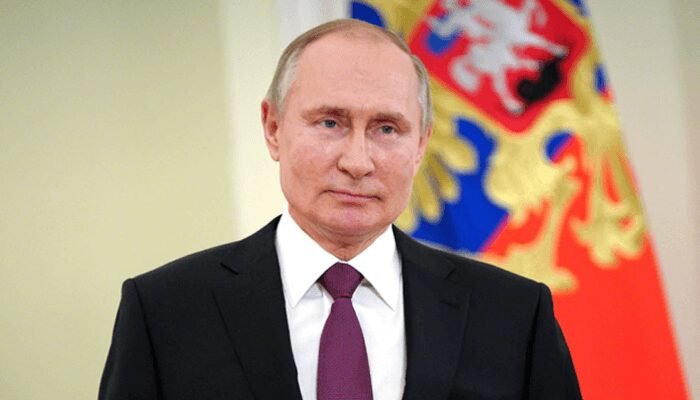
In response to the growing shortage, Putin said Russia has suspended exports of gasoline and aviation fuel, redirected stockpiled reserves for local use, and instructed both small and medium-sized refineries to increase output alongside major processing facilities. Officials are also weighing the option of temporarily stopping diesel exports to strengthen domestic fuel availability.
Vladimir Putin said Russia currently has 1.7 million metric tons of gasoline in reserve. Based on Reuters estimates, that volume would be enough to meet roughly 15 days of peak summer demand, or cover around two months of the country’s existing daily gasoline shortfall.
He said discussions with U.S. officials would remain ongoing as he reacted to comments by Donald Trump at the G7, where Trump called on Russia to reach an agreement with Ukraine.
Despite the emergency steps already introduced, Vladimir Putin admitted that broader structural changes would still be necessary, saying the fuel sector needs “systemic measures that correspond to the scale of the current challenges.”
One of the measures now being considered is importing gasoline — a rare move for a country that ranks among the world’s leading oil producers.
Alexander Novak said on Sunday that Russia is already bringing in between 100,000 and 150,000 metric tons of gasoline each month from Belarus and is in talks to secure additional fuel supplies from Kazakhstan, although officials noted that only one refinery in Kazakhstan is currently viewed as capable of exporting fuel to Russia.
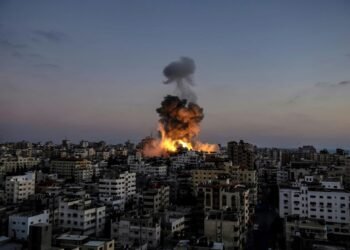
The fuel shortage has been largely linked to repeated Ukrainian long-range drone attacks on Russia’s refining facilities, which have disrupted production for months. Reuters estimates indicate that Russia’s gasoline output dropped by about 25 percent year-on-year in June and is currently operating roughly 20 percent below domestic demand levels.
Among Russia’s major oil-processing facilities, only the Omsk refinery — which can process about 22 million metric tons annually — has reportedly escaped Ukrainian attacks over the past two months and remains fully operational.