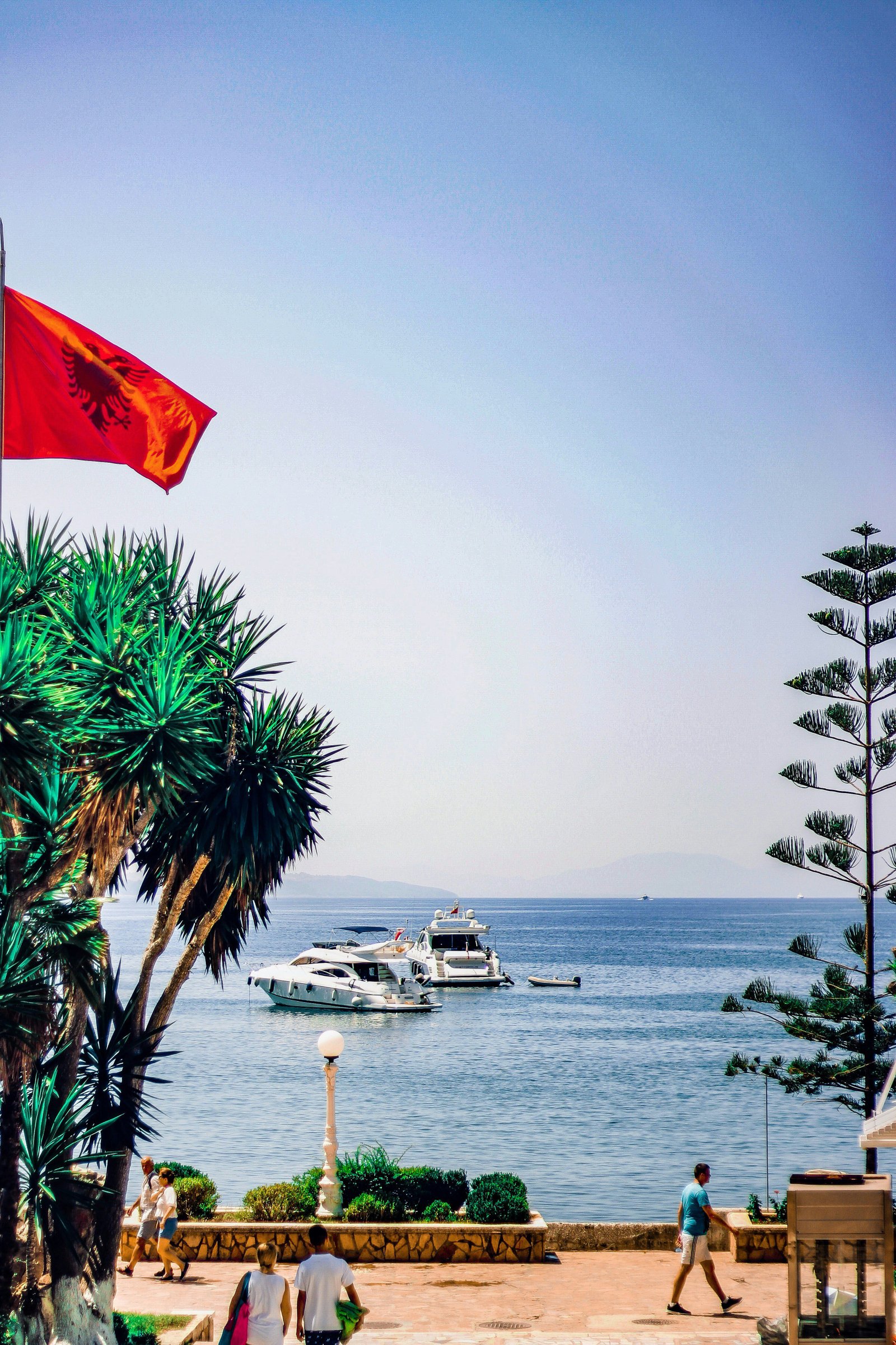

Members of the European Parliament have cautioned Albania that its bid to join the European Union could be jeopardised unless the government reconsiders its plans to develop a luxury resort backed by Jared Kushner, the son-in-law of Donald Trump.
Dutch Member of the European Parliament Tineke Strik, who is leading a European Parliament assessment mission to Albania, accused the country’s authorities of taking a dangerous gamble by moving forward with the proposed €1.4 billion (£1.2 billion) luxury development, warning that the project could inflict irreversible harm on a pristine coastal area.
Opposition to the proposed development has triggered an unprecedented wave of protests, dubbed the “Flamingo Revolution,” with demonstrators increasingly demanding the resignation of Albanian Prime Minister Edi Rama.
In an interview with The Guardian, Tineke Strik said that if Edi Rama is genuinely committed to Albania’s European Union aspirations, he should abandon the current course and tell the Trump family: “Sorry, the EU is my first priority.”
“Right now, they’re endangering a process that is so dear to them … they’re playing with fire.”
Since the end of communism more than 30 years ago, no policy has received comparable levels of public approval in Albania as the pursuit of European Union membership, which is estimated to be supported by about 92% of the population.
Edi Rama, who secured a record fourth term in office last year, has pledged to lead Albania—one of Europe’s poorest nations—into the 27-member European Union by 2030.
Encouraged by advances in the often complex negotiation process, he had aimed to conclude Albania’s EU accession talks by December 2027. While European Union officials acknowledged and welcomed the self-set deadline, they also described it as highly ambitious.
The EU accession timeline could now face serious uncertainty if Edi Rama insists on moving ahead with the Kushner-supported project, which focuses on developing parts of southern Albania that were once under environmental protection.
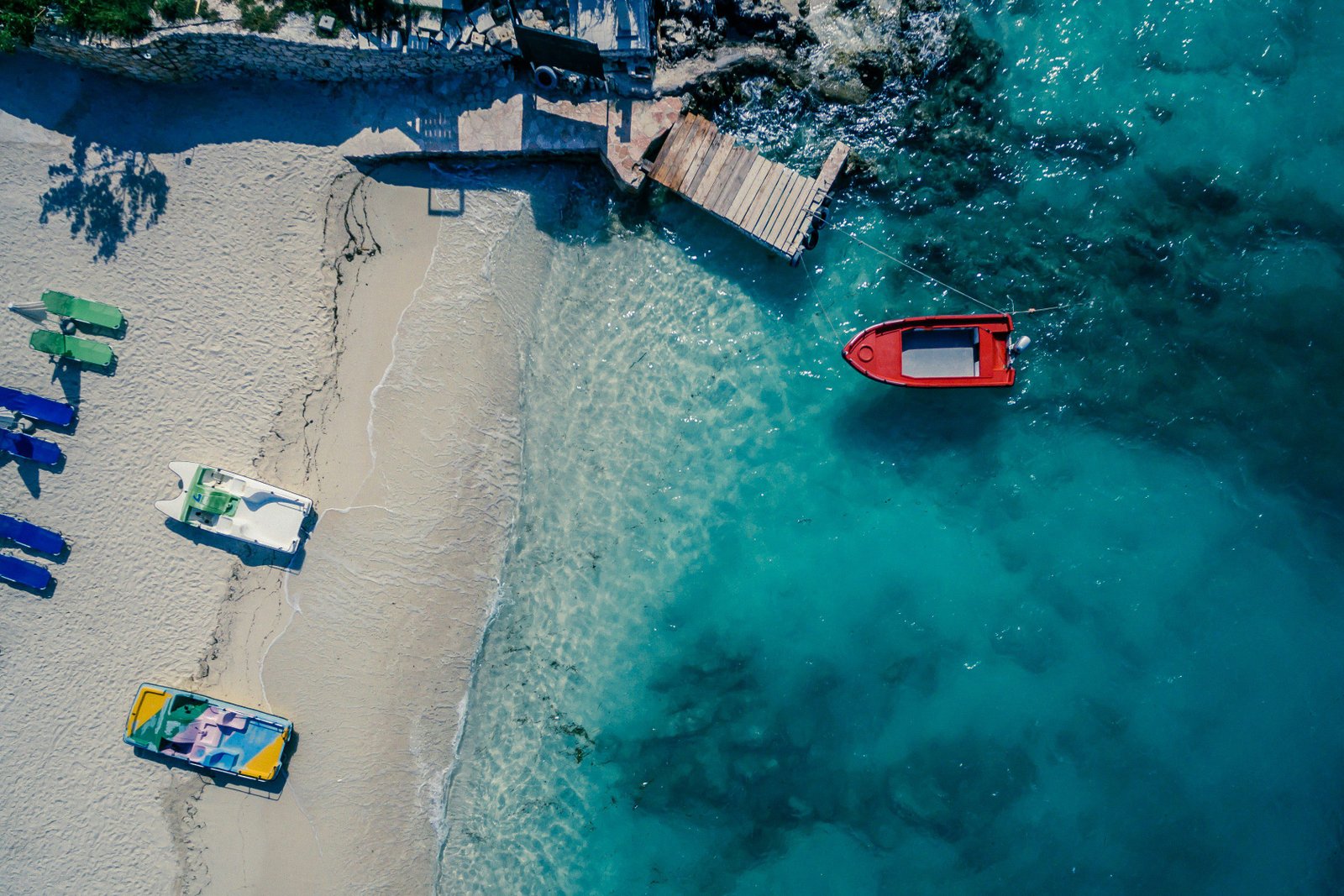
Kushner has outlined plans for a large-scale resort on Sazan, Albania’s only island, alongside additional development on an untouched stretch of the Zvërnec peninsula. He has described the project as a destination he would personally be comfortable visiting with family and friends.
Concerned by the magnitude of the development and the wave of public protests it has triggered, the European Parliament signalled its strong disapproval last month.
In its resolution, Members of the European Parliament expressed support for the protesters and urged that construction activities in protected areas be suspended without delay. They further called for the repeal of laws enabling so-called “strategic investors” to secure permits in environmentally sensitive regions, which they described as ecologically valuable and vital for wildlife conservation.
At the conclusion of a four-day visit that included inspections of the sites proposed for development, Tineke Strik said: “If they go ahead, they’ll have a big problem with the EU during the negotiations – especially on chapter 27 where they have to meet all the benchmarks of EU environmental policies. The planned construction of such large-scale real estate in such a fragile area is an immense threat.”
The MEP stressed that ongoing activities on the Zvërnec peninsula, such as the clearing of forests, the loss of ancient sand dunes, and the building of a 7km gravel road, had already inflicted significant environmental harm and appeared to breach European Union regulations.
Tineke Strik said the visiting lawmakers felt “encouraged and reassured by the Albanian people,” noting that citizens had taken to the streets to defend European values and call for greater accountability.
However, she noted that the delegation was not satisfied with their engagement with government representatives, pointing in particular to discussions with Environment Minister Sofjan Jaupaj, who reportedly suggested that the development would proceed until Albania is formally required to align with European Union environmental standards.
She also raised concerns about reported corruption surrounding the approval of construction permits and the allocation of land parcels in Zvërnec. Critics of the project have complained that the process has been marked by a lack of openness and limited public consultation.
“I left today’s meeting with the impression that they intend to continue with this project before they have to be aligned with EU law and this, of course, is not a way of loyal cooperation,” she said.
“They cannot say now: ‘We can do more damage and then we’ll see at the end of next year where we stand.’ That’s not a way to go and we will call upon the EU commission to follow this up very strongly with the Albanian government.”
Albania has won widespread support from Euro-MPs for its candidacy, and the GreenLeft MEP said she was very much in favour of the tiny Balkan state joining the bloc. “I come away with the feeling that the Albanian people really want to become members of the EU; in fact, they already feel they belong there,” Strik said.
She noted that the daily protests were no longer focused solely on environmental concerns, but had expanded into a broader movement centred on the protection of the rule of law.
“Albanians are protesting every day because they want to have a proper democracy, which really strengthens my trust in the process and in their desire for accession.
“What I am not so sure about is whether the government of Albania is taking at all seriously the concerns of the Albanian people, of us [MEPs] and the European Commission – which is why I have called on it to change course and take its citizens seriously.”