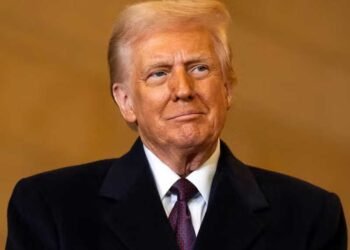
U.S. District Judge Emmet Sullivan issued a nationwide injunction on Wednesday, ruling that the U.S. Postal Service cannot implement its proposed restrictions on delivering mail-in ballots. The sudden legal roadblock comes as a defeat for the administration, legally confirming that the Trump election order blocked by the court would have systematically stripped ballot access from millions of voters.
Under the administration’s original proposal, the federal government would have taken an unprecedented role in local election administration by actively halting mail deliveries in non-compliant states.
The Violation of Legal Settlements
The legal battle centers around a March 2026 directive issued by the White House. The administration instructed the post office to stop processing and delivering mail-in or absentee ballots for any state that refused to turn over its official voter rolls to federal agencies. Trump’s team argued that these measures were necessary to combat potential fraud and ensure strict tracking using customized barcodes on ballot envelopes.
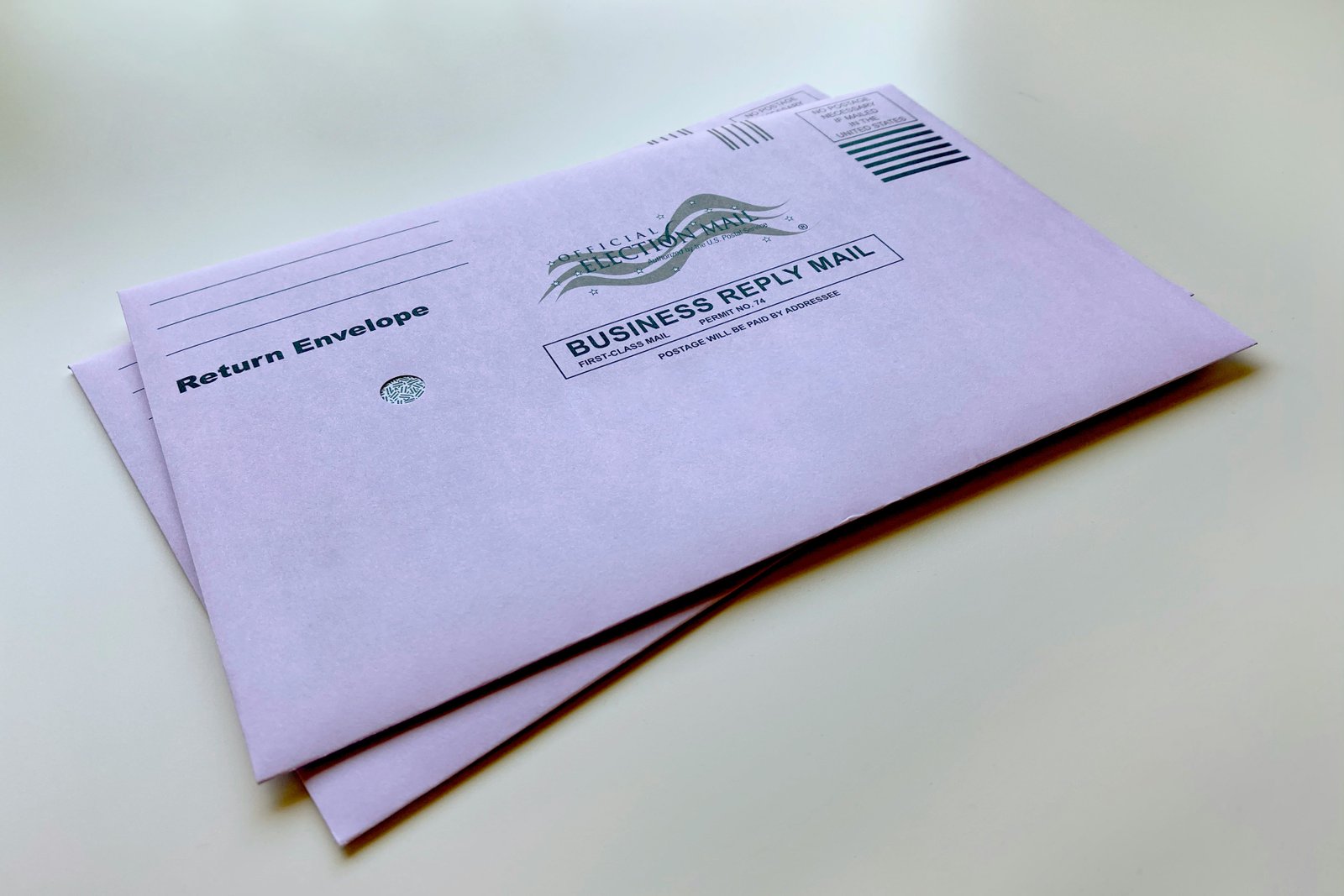
However, Judge Sullivan ruled that this strategy directly violates a binding 2021 court settlement between the USPS and the NAACP. That original agreement, which settled a lawsuit over severe mail delays during the 2020 election cycle, explicitly forces the agency to prioritize the monitoring and timely delivery of all election mail.
In his written opinion, Sullivan made it clear that the post office cannot legally promise to prioritize election mail while simultaneously holding a policy that lets them refuse to accept or deliver ballots to voters in states that fail to certify their voter lists.
Concerns Over Mass Voter Purges
Beyond the immediate delivery stoppages, civil rights groups raised alarms over the data collection requirements built into the policy. The executive order directed the Department of Homeland Security to tap into federal databases to compile independent lists of voting-age citizens across every state.
Some believe that putting extensive state-level voter registries directly into the hands of federal political officials would create a dangerous tool for aggressive voter purges. Furthermore, the mandatory automated tracking system would force local municipalities to absorb immense infrastructure costs right before an election cycle. Following the ruling, NAACP President Derrick Johnson praised the decision, calling it a historic win for everyday voters over attempts to manipulate the voting process.
My Opinion
In my view, the federal court did exactly what it was supposed to do by blocking the Trump election order nationwide. The White House’s attempt to weaponize the postal service as a checkpoint for democracy is one of the most alarming overreaches of federal power we have seen in recent political history. Turning a neutral public utility into a political tool to punish specific states is a dangerous strategy that threatens the core foundation of our voting system.
The administration claimed this rule was designed to safeguard the mail-in process. Yet, the actual penalty for a state refusing to comply wasn’t a fine or an audit; it was a total shutdown of ballot delivery for the citizens of that state. If a state government stands up for the privacy of its citizens by refusing to hand over its internal voter rolls to federal officials, the punishment falls entirely on the everyday voter whose ballot gets thrown into a dead-letter pile. That isn’t security; it is a blatant form of voter suppression designed to target specific states.
Furthermore, the defense of this rule by Postmaster General David Steiner ignores the reality of how elections are run in America. Under the Constitution, states have the explicit authority to manage their own voting procedures. Forcing cash-strapped local counties to completely overhaul their mailing envelopes with custom federal barcodes right before an election is a trap designed to create non-compliance.
When you combine that with the plan to let the Department of Homeland Security build its own master voter list, the true goal becomes obvious. This wasn’t about making mail delivery efficient. It was a targeted attempt to seize control over local elections, harvest sensitive voter data, and create chaos at the ballot box. Using a public service that every American relies on to pull off a political stunt like this is deeply unethical, and the court was entirely right to shut it down before it could do permanent damage to public trust.
Bottom Line
The nationwide block on this executive order reminds us that federal agencies remain accountable to prior legal settlements and constitutional limits. While the administration will almost certainly appeal the decision to a higher court, the immediate ruling forces the USPS to maintain its core mandate: delivering the mail reliably to every single citizen, regardless of state politics. As the midterms approach, the focus remains on keeping the postal system completely neutral, ensuring that every legal ballot is processed and counted without federal interference.