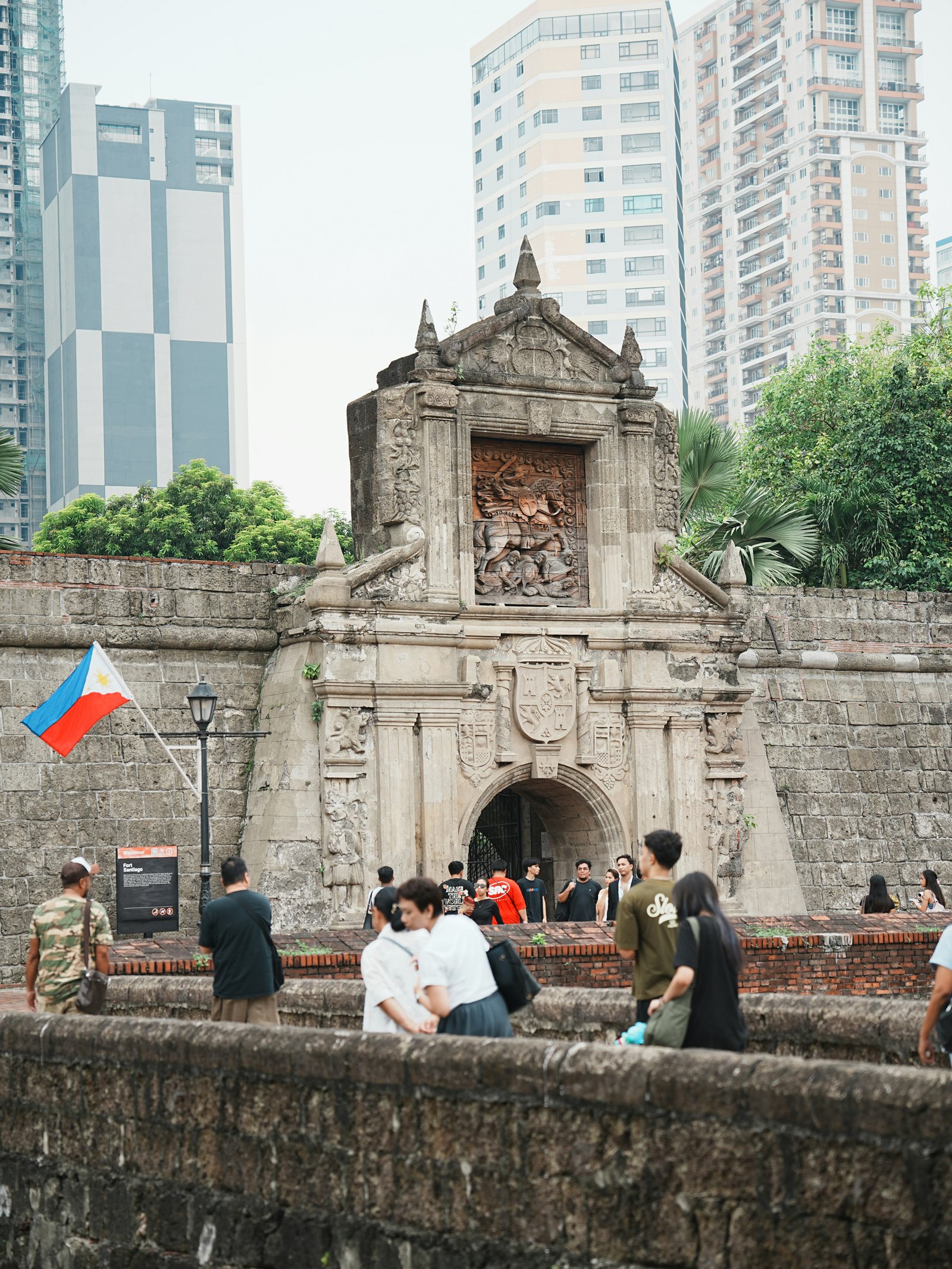

According to the latest data from the Henley Passport Index, the Philippine passport moves up in the global index with 65 visa-free destinations or visa-on-arrival entry points, offering a smoother and much more convenient transit experience for international tourists. The country has climbed to the 72nd spot globally, a position it shares with Mongolia and Sierra Leone. The improvement marks a steady recovery for the nation after its mobility ranking previously slipped into the high-70s during past evaluation cycles.
Complete List of Accessible Destinations
The latest report explicitly lists all the current destinations across multiple continents where Filipino passport holders can enter without going through long, upfront embassy visa application processes.
Southeast Asia (ASEAN)
Within the immediate region, travelers have seamless access to nine neighboring countries:
Singapore
Thailand
Malaysia
Indonesia
Vietnam
Cambodia
Laos
Brunei
Myanmar
East Asia
Easier travel protocols and regional agreements extend to three major commercial and tourist favourites:
Hong Kong
Taiwan
Macao
Latin America
Across the Pacific, five Latin American countries openly welcome Filipino visitors under visa-free or visa-on-arrival terms:
Brazil
Peru
Colombia
Bolivia
Ecuador
Other Global Destinations
Outside of these regional clusters, a diverse group of nations also maintains accessible entry points for travelers:
Israel
Fiji
Morocco
Vanuatu
A Look at Global Travel Disparities
Despite this positive upward momentum, the country still lags behind several of its regional neighbors. For instance, Singapore continues to dominate the global index, holding one of the absolute strongest passports in human history by granting its citizens seamless access to more than 190 destinations completely visa-free.
Concurrently, traditional Western travel documents are experiencing shifts of their own. According to the separate annual Global Passport Report issued by Global Citizen Solutions, the United States passport remains locked out of the global top 10, sitting at 12th place overall. Rather than looking solely at raw visa-free destinations, that specific report evaluates national mobility alongside local investment attractiveness and the general quality of life available to residents, indicating a slight multi-year decline in the overall global appeal of U.S. citizenship.
My Opinion
It is genuinely encouraging to see that the Philippine passport has moved up in the global index with 65 visa-free destinations, but we need to keep the champagne on ice. While a jump to 72nd place is a step in the right direction, the reality of global travel for the average Filipino remains an exhausting, expensive, and deeply frustrating exercise in gatekeeping.
Let’s look at the actual map of where Filipinos can travel freely. The access we do have is fantastic; ASEAN integration ensures that destinations like Singapore, Thailand, and Vietnam are easily reachable, and having access to beautiful Latin American hubs like Peru and Colombia is a massive plus. But the moment a Filipino wants to travel to major economic, educational, or cultural centers in Europe, North America, or Oceania, they are met with a block.
The underlying issue here is a reflection of economic disparities and geopolitical leverage. For decades, the Department of Foreign Affairs has had to play defense due to concerns over undocumented labor and human trafficking, which have historically made wealthier nations hesitant to lift visa restrictions. However, as the domestic economy continues to grow and strengthen, our diplomatic strategy needs to shift from passive acceptance to aggressive, reciprocal negotiation.
Look at their neighbor, Singapore, sitting comfortably at the top with over 190 visa-free spots. While comparing the two economies isn’t entirely ideal, it proves that strong bilateral agreements and robust international branding pay dividends for citizens. If the administration wants to truly empower its people and its growing middle class, it cannot simply celebrate micro-advancements in passive indexes. It must use its rising economic profile to actively negotiate better travel access with key international partners, ensuring that a Filipino passport is treated with the dignity and freedom it deserves on the global stage.