

Health officials are moving quickly to stop a deadly virus from spreading. The World Health Organization has started a major new experimental Ebola study in Congo
The dangerous outbreak has already spread quickly through the eastern part of the country, making this new medical plan incredibly urgent.
The Details of the New Medical Test
The outbreak is being caused by a rare type of the virus called the Bundibugyo strain. Right now, there are no approved vaccines or specific medicines to treat it. Because of this danger, WHO decided to launch an experimental Ebola study in Congo to see if two different drugs can help patients survive.
The scale of the current crisis is severe:
1. Total Cases: More than 1,400 people have already been diagnosed with the virus.
2. Total Deaths: The outbreak has tragically killed 438 people so far.
3. The Test Drugs: Doctors are testing an antiviral drug called remdesivir, a new antibody mixture, or a combination of both.
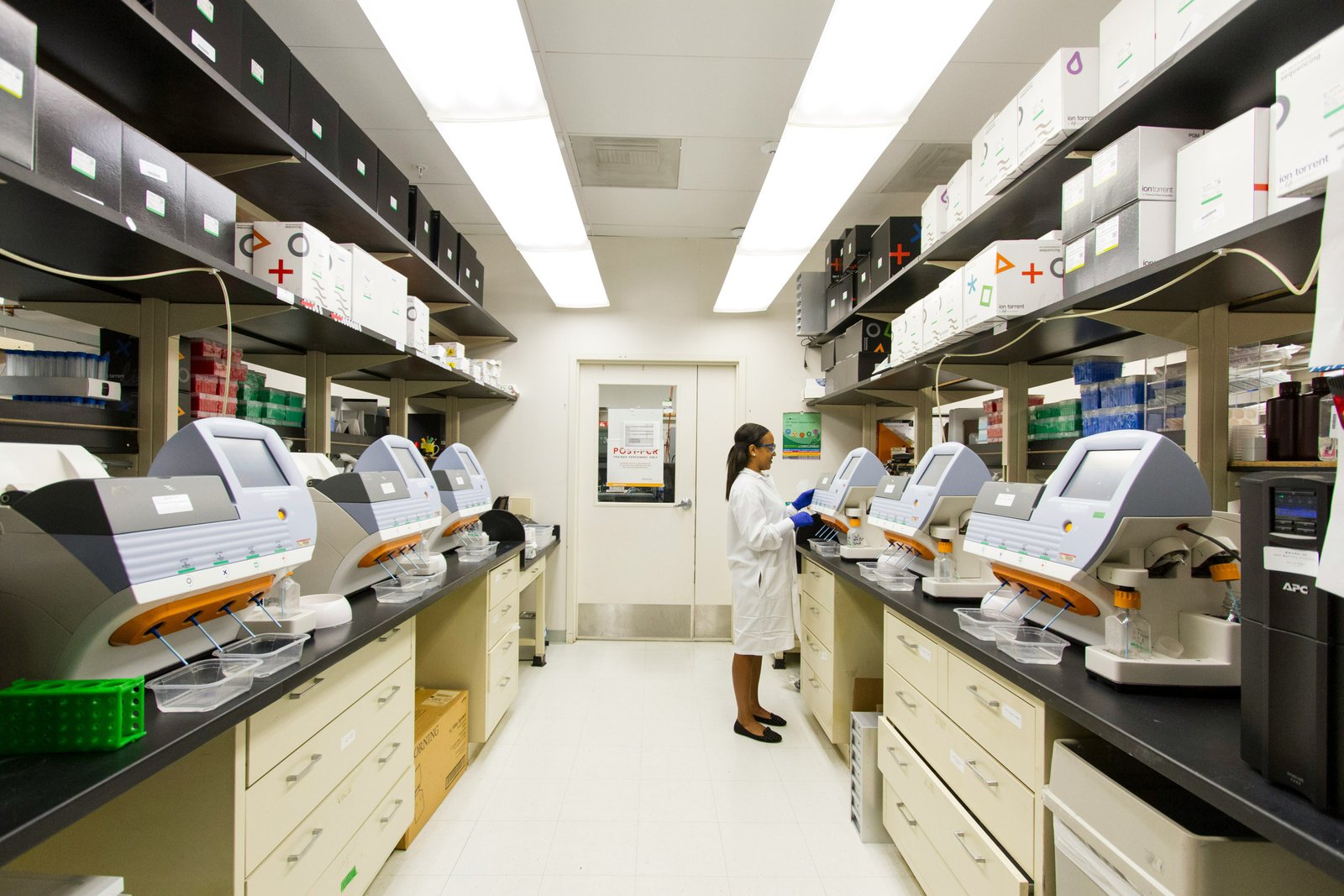
Doctors will closely watch the patients for 28 days after they get the medicine to see if the new treatments keep them alive.
Hope and Fear at the Epicenter
At the main medical center in the city of Bunia, Ambulances are arriving constantly, and doctors must wear heavy layers of protective gear just to enter the patient wards.
Local people are terrified of the virus, but they are glad that WHO has decided to step in. The first patient has already been given the test medicine, and health workers are racing against the clock to treat others before the virus spreads to new towns.
My Opinion
It is good to see global health groups finally stepping up, but it is deeply sad that it took this long for the world to care. The fact that WHO decided to launch an experimental Ebola study in Congo only after 438 people had already died shows a failure in how we handle global health crises.
Poorer countries always seem to get left behind until an outbreak becomes a headline. If this virus were spreading in a wealthy nation, treatments would have been rushed to patients on day one.
While I truly hope these experimental drugs work and save lives in Bunia, the international community needs to stop treating developing nations like an afterthought. There is a need to invest in permanent medical centers and ongoing research in these areas so we can stop deadly viruses before they turn into mass tragedies.
Medical experts say the data collected over the next few weeks will prove whether these new drugs can actually stop the Bundibugyo strain.
If the trial succeeds, it could lead to the first official treatment for this rare type of Ebola, giving health workers a powerful new tool to protect families across Africa.