
The administration of US President Donald Trump has indicated that Nigeria’s 2027 general election will be closely monitored by Washington as it weighs policy decisions that could influence aspects of its relationship with Africa’s largest economy.
The development comes as the United States considers imposing tougher conditions on security collaboration with Nigeria, even as it seeks to strengthen trade and investment ties with Africa’s largest economy.
The recent moves suggest that governance, security and economic cooperation are now playing an increasingly connected role in shaping the United States’ engagement with Nigeria.
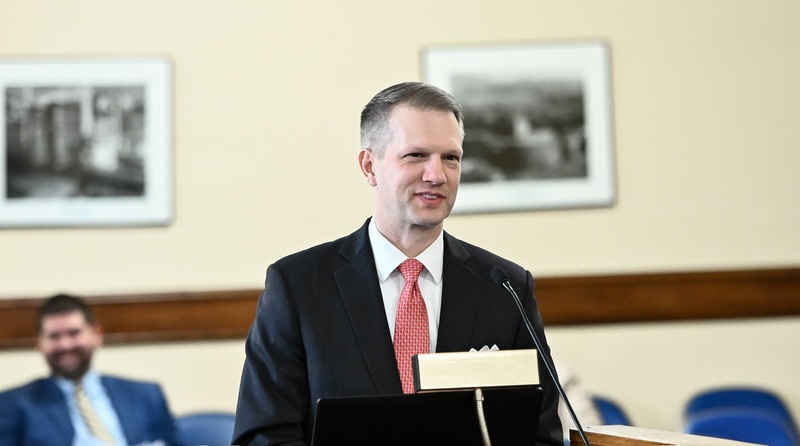
During an interview with NoireTV, Riley Moore, a Republican member of the United States Congress, said the administration of US President Donald Trump would closely monitor the conduct of Nigeria’s next presidential election.
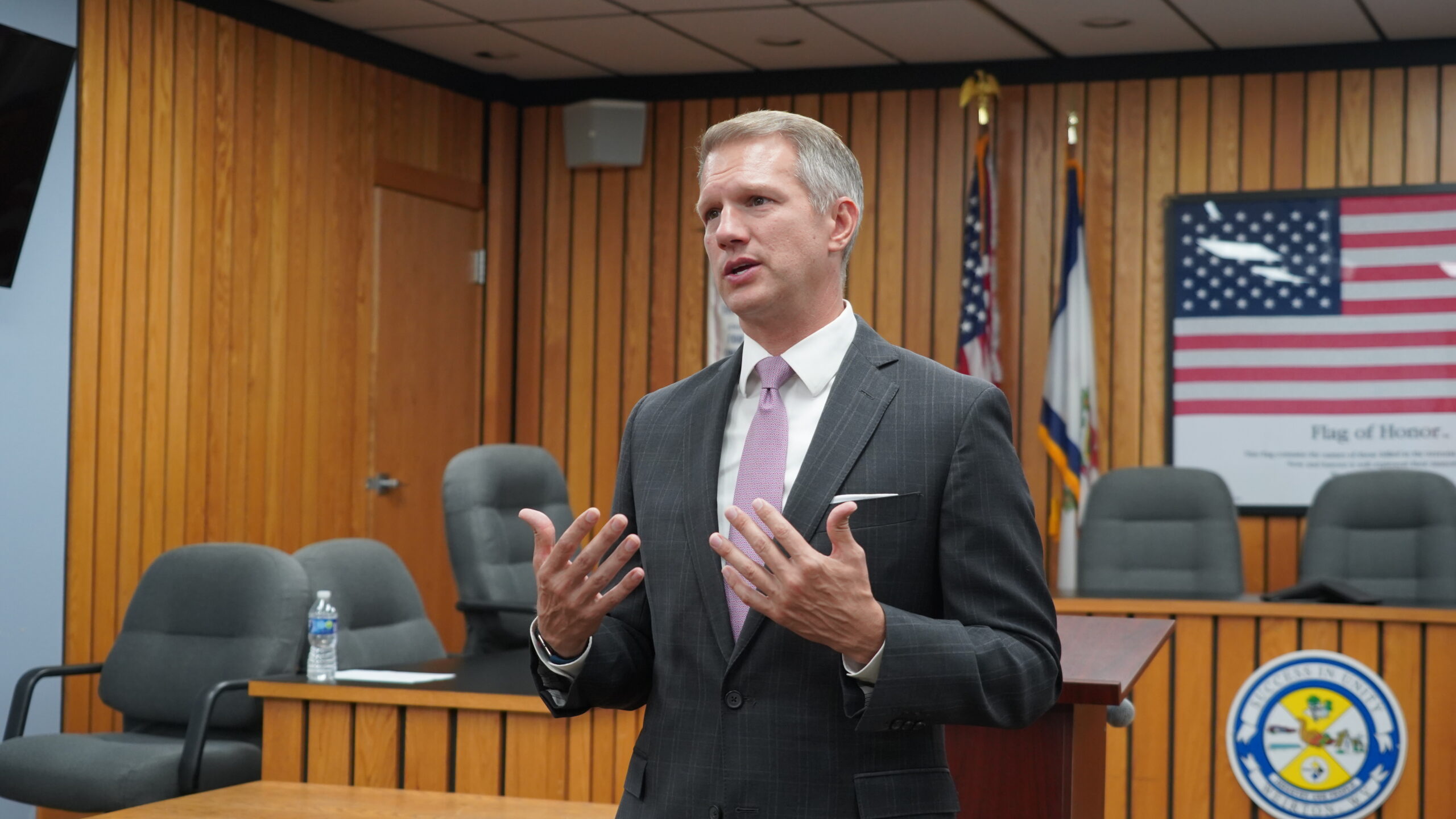
“What I’d say is that we’re certainly going to be watching these results and how these elections unfold and how they’re executed. And that’s something that myself and the administration are going to be paying very close attention to,” Moore said.
While the United States has long backed election monitoring efforts across the world, Moore’s comments are notable because they coincide with moves in the United States Congress to introduce stricter conditions for future engagement with Nigeria, particularly in the areas of security cooperation and religious freedom.
As Africa’s most populous country and one of its largest economies, Nigeria plays a critical role in regional stability, making its political landscape significant well beyond its own borders.
Nigeria remains a key security ally in West Africa, contributing to regional counterterrorism operations against extremist groups, while recent economic reforms introduced by Bola Tinubu have helped renew foreign investor interest in the country.
The conduct of Nigeria’s 2027 general election is expected to be a key consideration for investors, multinational firms and development partners assessing policy stability and long-term economic prospects in one of Africa’s biggest consumer markets.
Economic relations between the United States and Nigeria have also continued to strengthen. Trade between both countries was valued at nearly $15 billion in 2025, positioning Nigeria as Washington’s second-largest trading partner in sub-Saharan Africa.
In recent years, the United States has placed greater emphasis on expanding cooperation with Nigeria in areas such as investment, digital technology, energy and critical minerals, while security and good governance continue to feature prominently in bilateral relations.
Moore said members of the United States Congress are currently pushing legislation that could shape Washington’s future engagement with Nigeria.
He cited a bill introduced by fellow Republican lawmaker Chris Smith, which he co-sponsors, alongside a wider appropriations measure that contains provisions affecting Nigeria.
“We’re working on Chris’s bill… But I’d say, more importantly, what people need to pay attention to is the appropriations bill that we’re going to have on the floor,” Moore said.
Moore said the draft spending bill contains provisions addressing religious freedom and proposes making future US security assistance to Nigeria conditional on the fulfilment of certain requirements.
“There’s a lot of language that I put on that bill… that relates to Nigeria and the persecution of Christians and restrictions on security assistance to the government of Nigeria,” he said.
Moore further said the proposed legislation includes “pretty strong and aggressive language” that, if passed, could influence the direction of future US relations with Nigeria.
His remarks come amid renewed pressure from some members of the United States Congress for Washington to take a firmer stance on issues of religious violence and insecurity in Nigeria.
Support has also grown within the United States Congress for legislation championed by Moore and Chris Smith, which seeks enhanced reporting on religious freedom conditions in Nigeria and reviews of the impact of US assistance programmes.
The proposal has further revived debate over Nigeria’s classification under the United States International Religious Freedom framework. In 2020, the first administration of Donald Trump designated Nigeria a Country of Particular Concern (CPC) over what it described as severe violations of religious freedom.