A dangerous new phase of conflict has erupted as Iran strikes Gulf states and Jordan, targeting critical infrastructure and Western military bases across the region. The Islamic Revolutionary Guard Corps launched a wave of heavy missile and drone attacks early Saturday morning, hitting America’s regional allies just one week after a fragile ceasefire collapsed completely. This aggressive retaliation follows a seventh consecutive night of intense US military strikes aimed at destroying Iranian surveillance hubs and underground weapons depots.
Heavy Infrastructure Wrecked Since Iran Strikes Gulf States and Jordan
The immediate economic impact of the weekend bombardment has shaken the global energy sector, causing a surge where oil prices climb by more than 4% in a matter of hours. Kuwait bore the brunt of the heavy retaliation. An Iranian missile directly hit a vital Kuwait desalination plant and power generation facility, cutting off fresh water supplies to thousands of residents and injuring several emergency responders. At the same time, the Kuwait Petroleum Corporation reported major damage at one of its primary oil production facilities, forcing Kuwait International Airport to halt all civilian flights due to ongoing drone threats.
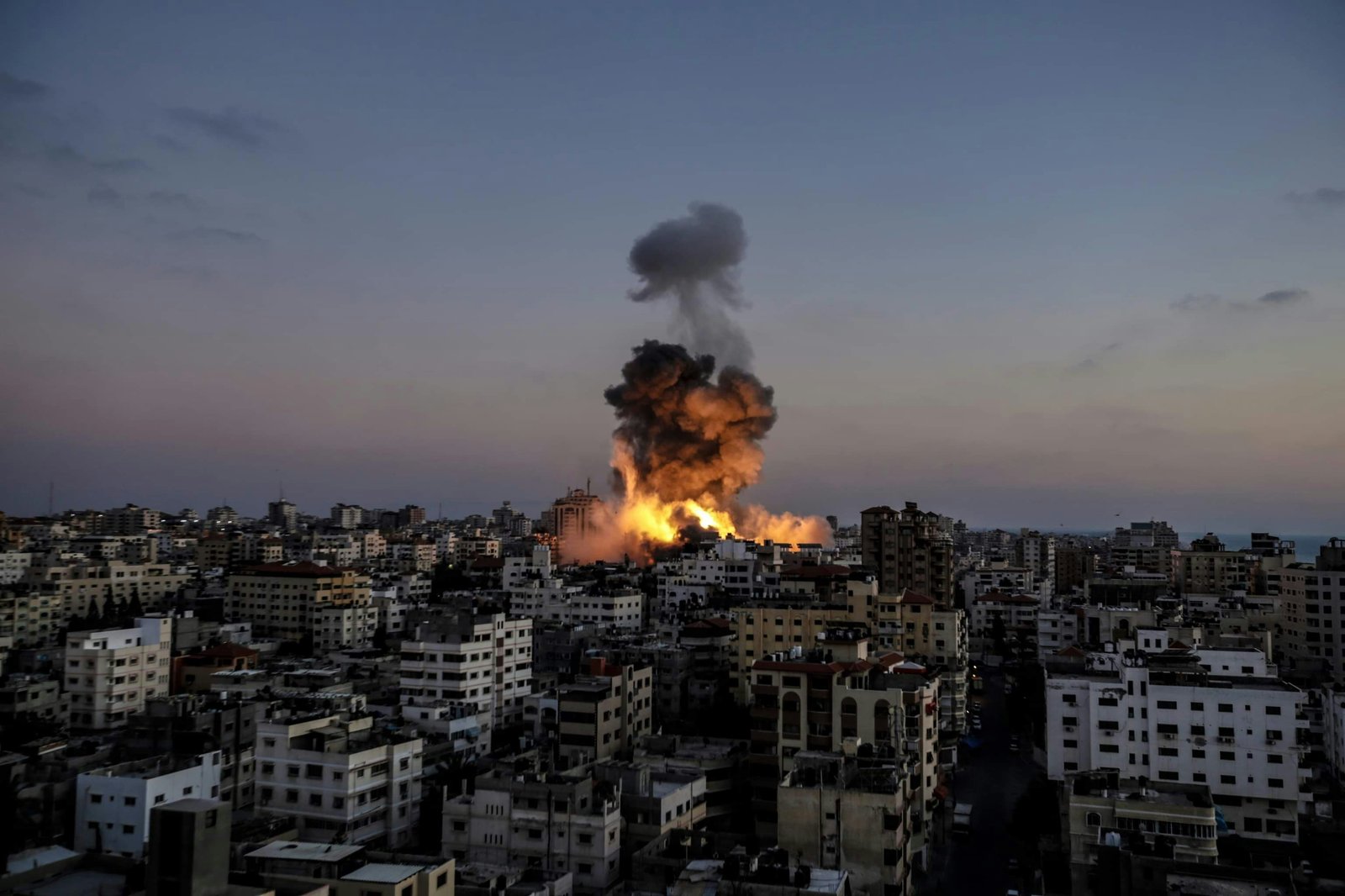
US Military Bases Hit Hard in Jordan and Bahrain
Beyond targeting civilian utilities, Tehran explicitly targeted American troops stationed in neighboring Arab nations. The Iranian military confirmed that its drones successfully struck the Al Azraq airbase in Jordan, claiming to have destroyed at least two American fighter jets on the tarmac. Similar long-range missile strikes targeted a U.S. Navy intelligence center in Bahrain and the Prince Sultan Air Base in Saudi Arabia, triggering air defense sirens across the kingdom for the first time in three months. The Iranian government claims these acts are a direct defense against the “savagery” of Western forces, whose recent bombing campaign destroyed multiple bridges and killed dozens of civilians in southern Iran.
My Opinion
This is a terrifying, out-of-control slide toward a global war, caused entirely by the political egos in Washington and Tehran. The fact that Iran strikes Gulf states and Jordan with such absolute lawlessness shows that the international rules of diplomacy are completely dead. We are watching a horrifying game.
The decision by the White House to launch seven consecutive nights of devastating air strikes inside Iran was incredibly short-sighted. Anyone with a basic understanding of Middle Eastern geopolitics knew exactly how Tehran would respond. Instead of backing down, the Iranian regime did what it always does: it lashed out asymmetrically. By intentionally blowing up a Kuwait desalination plant and targeting energy hubs, Iran is trying to hold the entire global economy hostage by threatening the world’s primary water and oil supplies.
It is disgusting to watch both sides use human lives as political leverage. In Washington, these military actions are clearly being calculated to give the administration tough-guy talking points ahead of the November congressional elections, even as oil prices climb to heights that will crush working families. Meanwhile, Tehran hides behind religious language to justify blowing up civilian infrastructure in neighboring Muslim countries. Bypassing the UN and enforcing a unilateral naval blockade has solved absolutely nothing. If the global community does not step in immediately to force a real, binding diplomatic settlement, this reckless back-and-forth bombing is going to drag the entire world into a multi-national conflict from which there will be no return.
Bottom Line
The terrifying reality that Iran strikes Gulf states and Jordan leaves the global community with almost no easy pathways back to peace. With the Strait of Hormuz effectively turned into a war zone, global trade is facing an unprecedented shipping crisis. If the White House responds to these latest attacks with an actual ground invasion of the Iranian coast, an option that administration officials have explicitly refused to rule out, the current regional proxy conflict will officially transform into the largest global military confrontation of the modern era.