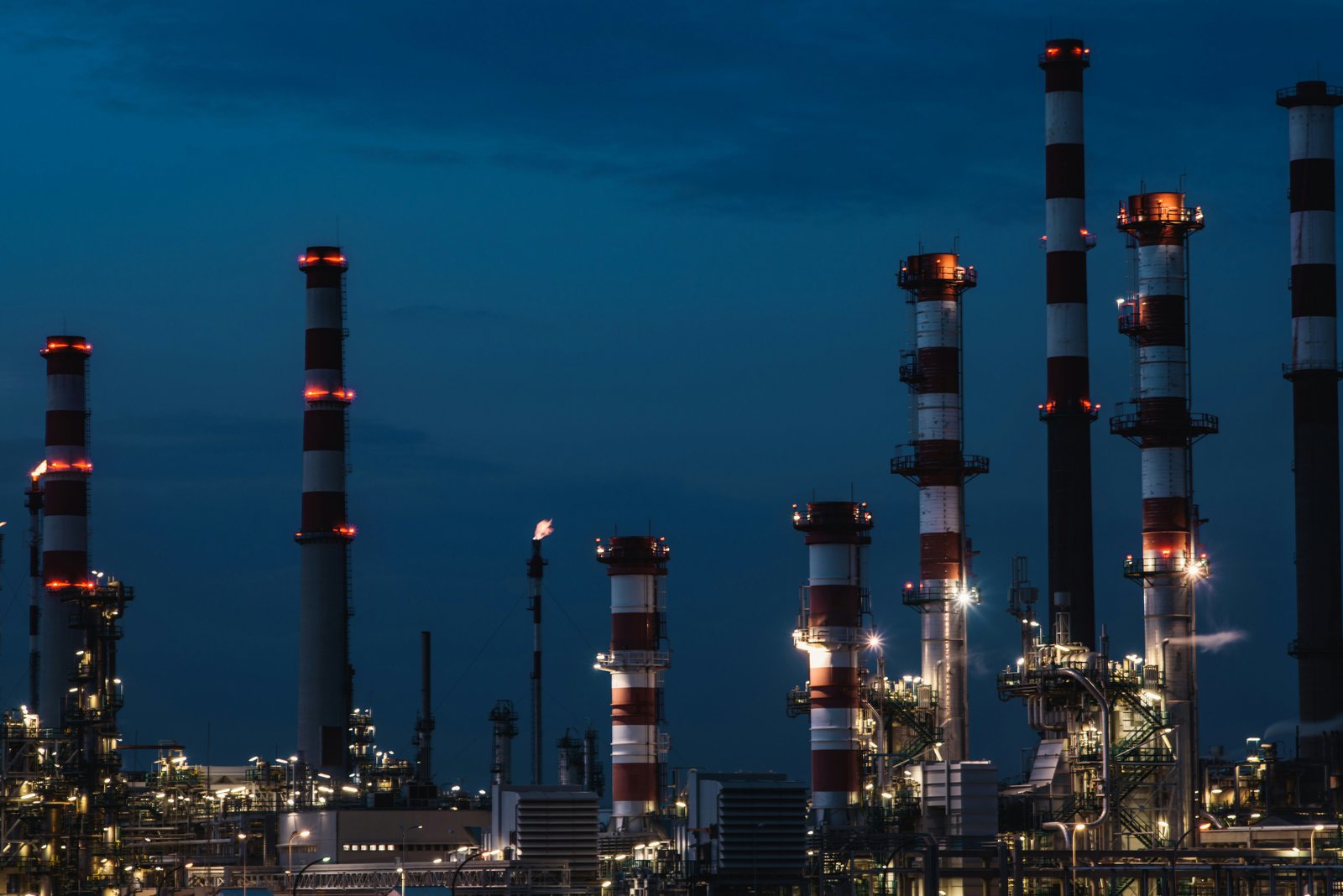

A major U.S gas shortage looms for northeastern states following the announcement of an extended Canadian oil refinery shutdown scheduled for this fall. Irving Oil confirmed that its massive Saint John facility in New Brunswick will completely halt operations from early September through mid-November for a mandatory engineering turnaround and regular equipment maintenance. Because the northeastern corner of the United States relies heavily on this single plant for its daily gasoline, diesel, and winter heating oil imports, the upcoming two-month closure is set to trigger severe supply disruptions.
Regional fuel distributors are scrambling to secure backup energy supplies before cold weather hits, but energy experts warn that replacing the massive output of this facility will be nearly impossible.
Escalating Fuel Market Tightness Across the East Coast
The timing of this maintenance shutdown could not be worse for the American economy, as intense geopolitical conflicts overseas have already created extreme fuel market tightness throughout the year. The ongoing military conflicts in eastern Europe and the Middle East have severely strained international shipping routes and reduced global diesel refining capacity. With local U.S. refineries already running at maximum output to keep up with domestic demand, any unexpected loss of foreign fuel imports will immediately unbalance the market, threatening to push local inventories down to dangerous historic lows.
Consumers Squeezed as Pump Prices Climb to Historic Highs
Regular working families are bound to feel the immediate sting of this supply choke point at local filling stations. Across the country, average pump prices climb well past five dollars a gallon, placing immense economic pressure on the traveling public and commercial trucking fleets alike. Because the Saint John plant processes over 300,000 barrels of crude oil every single day, taking these volumes off the market right as home heating oil demand begins to rise for the winter season will inevitably force retail prices even higher.
My Opinion
The fact that a single Canadian oil refinery shutdown can instantly cause a U.S gas shortage warning shows exactly how fragile, broken, and dangerously dependent the entire energy grid truly is. Americans are living in a society where millions of Americans are literally one routine maintenance schedule away from an economic crisis, and the political leaders are doing absolutely nothing to fix it.
It is completely unacceptable that states like Maine and Massachusetts are so heavily dependent on fuel imports from a single foreign private facility. Irving Oil has to maintain its equipment; that is basic engineering reality. But the fact that their energy network has zero built-in backup capacity or strategic reserves to handle a completely predictable, scheduled two-month turnaround is a massive structural failure. America’s domestic refineries are already being pushed past their safe limits to chase short-term record profits, risking mechanical blowouts in the process.
Meanwhile, everyday citizens are being completely crushed financially. Paying over five dollars a gallon for fuel is already breaking the household budgets of working-class families. Piling a heating oil supply crisis on top of that right as the winter freeze sets in is nothing short of a humanitarian headache. We hear endless political speeches about achieving total energy independence, yet a simple corporate repair project across the border can leave the entire East Coast shivering and stranded. It is time to stop treating vital public utilities like a minor thing. If America does not start building real regional fuel storage reserves and diversifying its infrastructure immediately, it will continue to be held hostage by the routine maintenance schedules of foreign corporations.
Bottom Line
The dangerous threat of a U.S gas shortage is an urgent reminder of the shared cross-border vulnerabilities. With the Canadian oil refinery shutdown officially locked in for the autumn months, the northeastern United States is facing a highly volatile winter season. Unless domestic distributors can successfully pull alternative fuel streams from other parts of the continent, consumers must brace themselves for limited fuel availability and painful spikes at the pump.