
A violent attack shook the town of Kabal on Sunday when a suicide bomber killed 14 in Pakistan during a public anti-militant demonstration. Local police confirmed that nine civilians and five officers lost their lives, while more than two dozen others suffered injuries. Hundreds of residents had gathered near the local police station in the Swat Valley to demand peace and urge the government to clear out armed militants. Instead of finding safety, the crowd became the direct target of a deadly explosion.
How the Suicide Bomber Executed His Plan
Demonstrators in the Swat Valley had taken to the streets to protest against growing militant activity in Khyber Pakhtunkhwa province. Speakers were addressing the crowd, arguing that the state must protect local towns from armed groups, right before the blast went off.
Emergency rescue crews rushed to the scene to carry wounded victims to nearby hospitals. The targeted crowd was chanting anti-militant slogans when the bomber detonated explosives, leaving a scene of destruction right outside the police station.
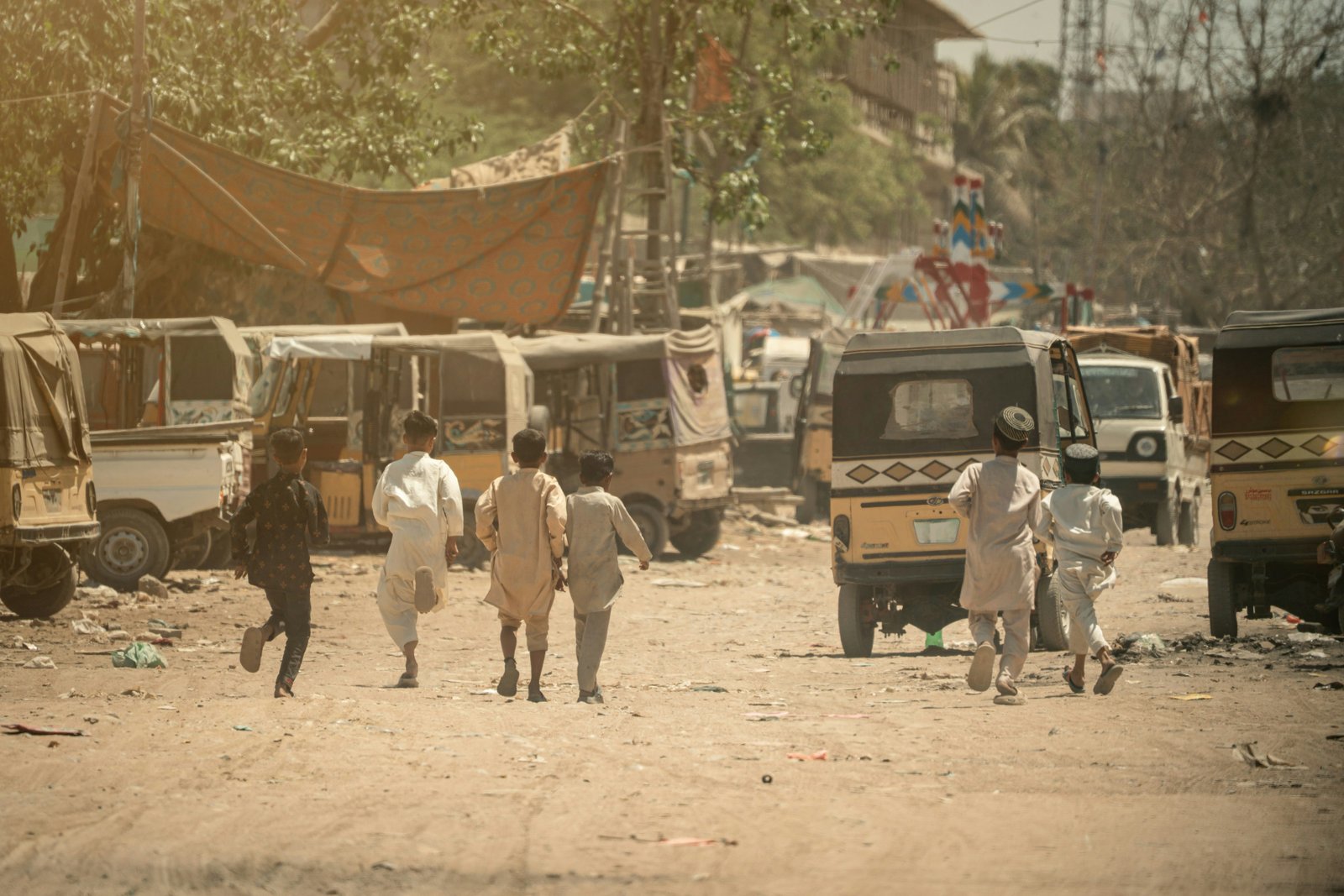
Rising tension following the Swat Valley bombing
While no group immediately took credit for the attack, suspicion quickly fell on Tehrik-e-Taliban Pakistan (TTP). The region was cleared of armed groups during a major military campaign years ago, but fighters have slowly resurfaced in recent months.
Pakistani officials condemned the attack and promised to continue operations against armed networks. However, local residents are growing increasingly angry that violence is returning to a valley that fought hard to rebuild its peace.
My Opinion
This tragedy hits hard because these people were killed simply for standing up and saying they wanted to live without fear. The citizens of Swat Valley know what it means to live under militant rule, and they took a massive personal risk by marching in the streets to demand protection. Striking a crowd that is actively calling for peace is a deliberate move to scare everyday people into silence.
What makes this situation worse is that local communities have been warning authorities about the return of armed groups for months. When citizens have to stage their own protests just to ask the state to do its job and provide basic security, it shows that the system is already failing them. Promising to “eradicate terrorism” in press statements after every bombing is no longer enough.
If the government cannot protect people who are standing right outside a police station in broad daylight, then official promises ring hollow. Fighting armed groups requires more than just military operations after the damage is done. It requires proactive intelligence, securing regional borders, and ensuring that local communities are actually safe when they choose to speak out against violence.
The heartbreaking reality where a suicide bomber kills 14 in Pakistan highlights the severe security challenges facing the Swat Valley today. Innocent citizens and police officers lost their lives simply for demanding an end to local violence. Moving forward, authorities must move beyond public condemnations and deliver real, lasting protection for communities standing up against militancy.