
Chief U.S. District Judge John McConnell faces a wave of death threats after blocking executive orders that froze trillions in federal funding. The Obama-appointed jurist from Rhode Island spoke out about experiencing over 400 abusive calls, dark web threats targeting his family, and harassment tactics sent directly to his residence.
How harassment escalated after the Trump funding block
The campaign of intimidation began shortly after Judge McConnell issued a temporary restraining order blocking executive efforts to hold back congressional grants. Public backlash flared across social media platforms, with far-right figures and political commentators broadcasting details about his family members.
Disturbing delivery orders often placed under the name of a murdered relative of another federal judge arrived at his private residence. Meanwhile, federal marshals confirmed multiple death threats originating online, including requests for his personal address on dark web forums.
Judicial independence under pressure across the country
The harassment surrounding Judge McConnell reflects broader security concerns among federal jurists reviewing executive decisions. Other members of the bench report similar intimidation patterns, including fake law enforcement dispatches and unsolicited drop-offs at private homes.
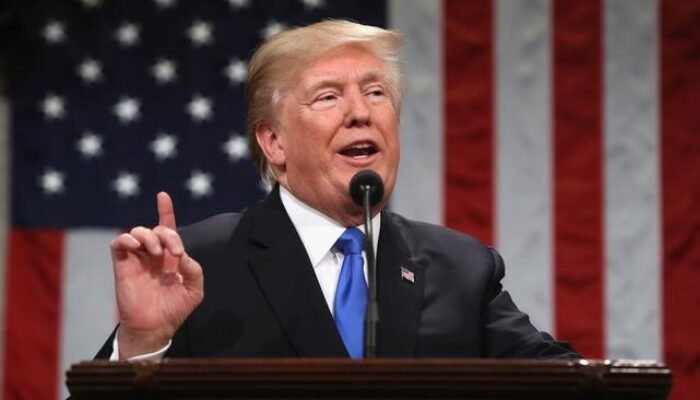
Despite the personal risks, McConnell reaffirmed his commitment to maintaining constitutional oversight and executing his judicial duties without bowing to political harassment.
My Opinion
Judges are meant to evaluate executive actions against the text of the U.S. Constitution, not run a popularity contest. When a judicial ruling gets met with mob intimidation, doxxing, and death threats, it signals a dangerous breakdown in basic civil norms.
Disagreeing with a court decision is a standard part of a legal democracy. That is why appeal courts exist; if an administration believes a district judge got the law wrong, they file an appeal with a higher court. Replacing legal arguments with personal threats against a judge’s family crosses a line from political protest into lawlessness.
Targeting jurists with dark web hits and harassing their children creates a terrifying precedent. If deciding a high-profile case means risking your family’s safety, fewer qualified people will step up to serve on the bench. Protecting judicial independence is not about shielding judges from criticism; it is about ensuring that courts make decisions based on the rule of law rather than fear of violence.
Bottom Line
The death threats on Judge John McConnell demonstrate how political polarization poses real dangers to the American legal framework. Defending judicial independence requires strong law enforcement protection and a clear public boundary between political debate and personal violence.