

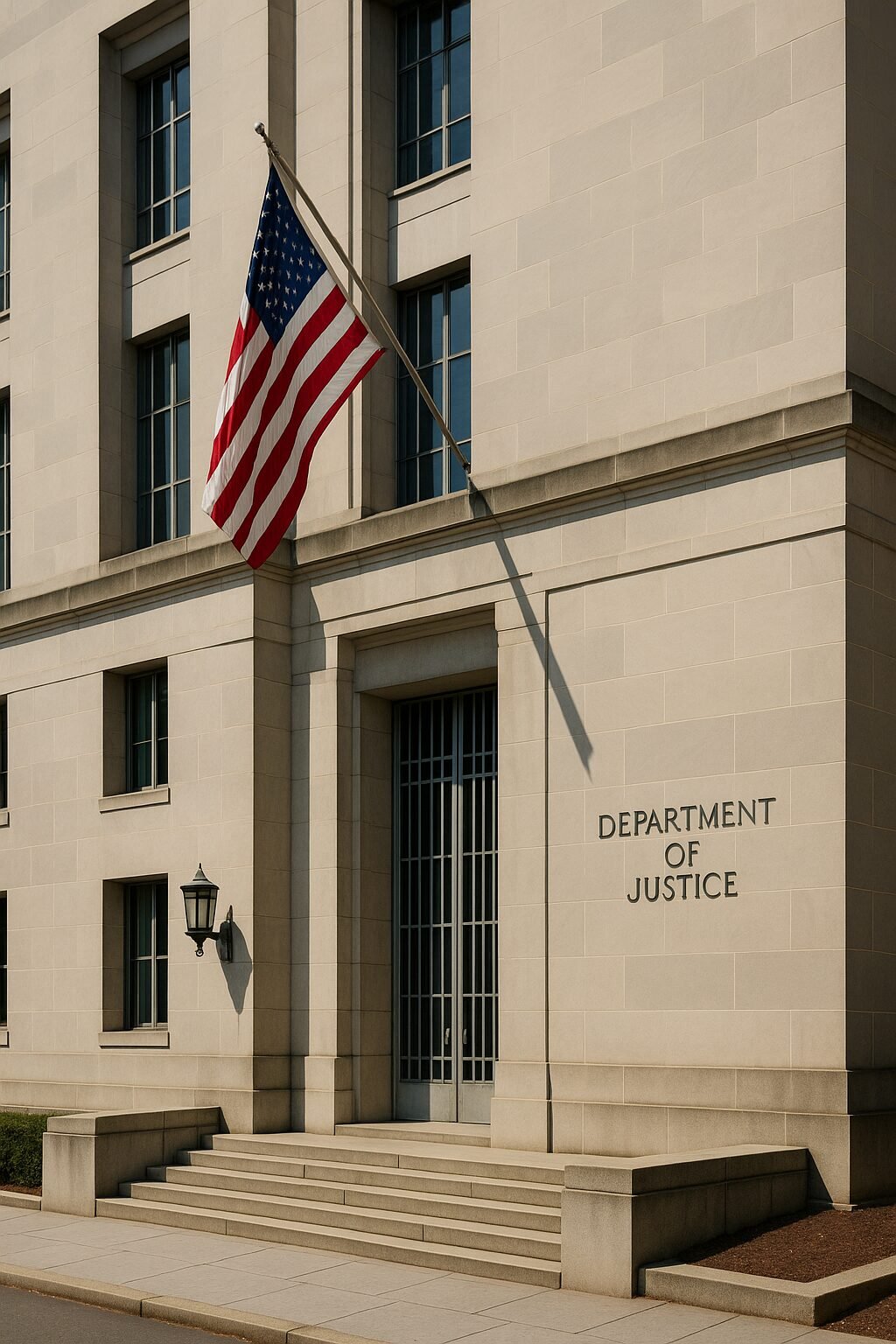
The U.S. Department of Justice announced findings on Thursday accusing UCLA Law of engaging in systematic racial discrimination against white and Asian applicants during its admissions process over a multi-year period. According to the DOJ’s Civil Rights Division, the University of California, Los Angeles, School of Law used personal statement prompts and optional essay questions specifically tailored to elicit information regarding an applicant’s racial background. Federal investigators claim these application tools allowed admissions officers to favor Black and Hispanic candidates over white and Asian candidates with comparable or higher academic metrics, violating the 2023 Supreme Court decision banning affirmative action in higher education.
Two-Tiered Selection Allegations and Academic Disparities
Harmeet K. Dhillon, the Assistant Attorney General heading the Civil Rights Division, characterized UCLA Law’s selection process as a two-tiered system where academic entry standards shifted depending on an applicant’s race. The DOJ’s investigative letter highlighted data from recent admission cycles, claiming that median LSAT scores for admitted Black candidates consistently ranged five to seven points lower than those of admitted white candidates.
The report noted instances where white and Asian candidates who were rejected possessed the exact same test scores as accepted Black and Hispanic candidates. Federal officials emphasized that while the Supreme Court allows applicants to voluntarily discuss how race shaped their personal experiences or character, using essay prompts to systematically identify race as a deciding factor in admissions breaks federal non-discrimination law.
University Defense and Broader Federal Investigations
UCLA officials firmly denied the Department of Justice’s allegations, defending the law school’s selection protocol as a holistic, law-abiding review system. University representatives stated that every application undergoes a comprehensive evaluation that measures individual merit, professional potential, and personal achievements, expressing full confidence that their process complies with all state and federal regulations.
This federal finding against UCLA Law follows similar DOJ discrimination notices issued to law schools at Duke University and UC Berkeley, as well as several medical programs nationwide. While legal experts and university administrators continue to debate the scope and methodology of these federal probes, the Justice Department maintained it will continue auditing graduate school admissions across the country.
My View
The investigation into UCLA Law reflects a deep and ongoing conflict between university selection policies and constitutional standards following the Supreme Court’s 2023 ruling.
Universities naturally want to understand an applicant’s background, resilience, and personal character beyond standardized test scores and GPA metrics. When Chief Justice John Roberts wrote the majority opinion ending affirmative action, he specifically permitted schools to consider an applicant’s story about how race affected their life, whether through overcoming hardship or finding inspiration.
However, there is a distinct legal boundary between reviewing a candidate’s personal narrative and using structured essay prompts to reintroduce race as an implicit selection criteria. If an admissions system regularly accepts candidates of certain demographic groups while turning away candidates from other backgrounds who hold identical or higher academic credentials, it creates reasonable concerns about equal treatment under the law.
True fairness in admissions requires clear, neutral rules. Graduate programs must ensure that personal statement evaluations focus genuinely on individual character, leadership, and perseverance rather than operating as a loophole to maintain group-based selection preferences. Protecting equal opportunity means applying the same objective standards to every student who applies, regardless of background.