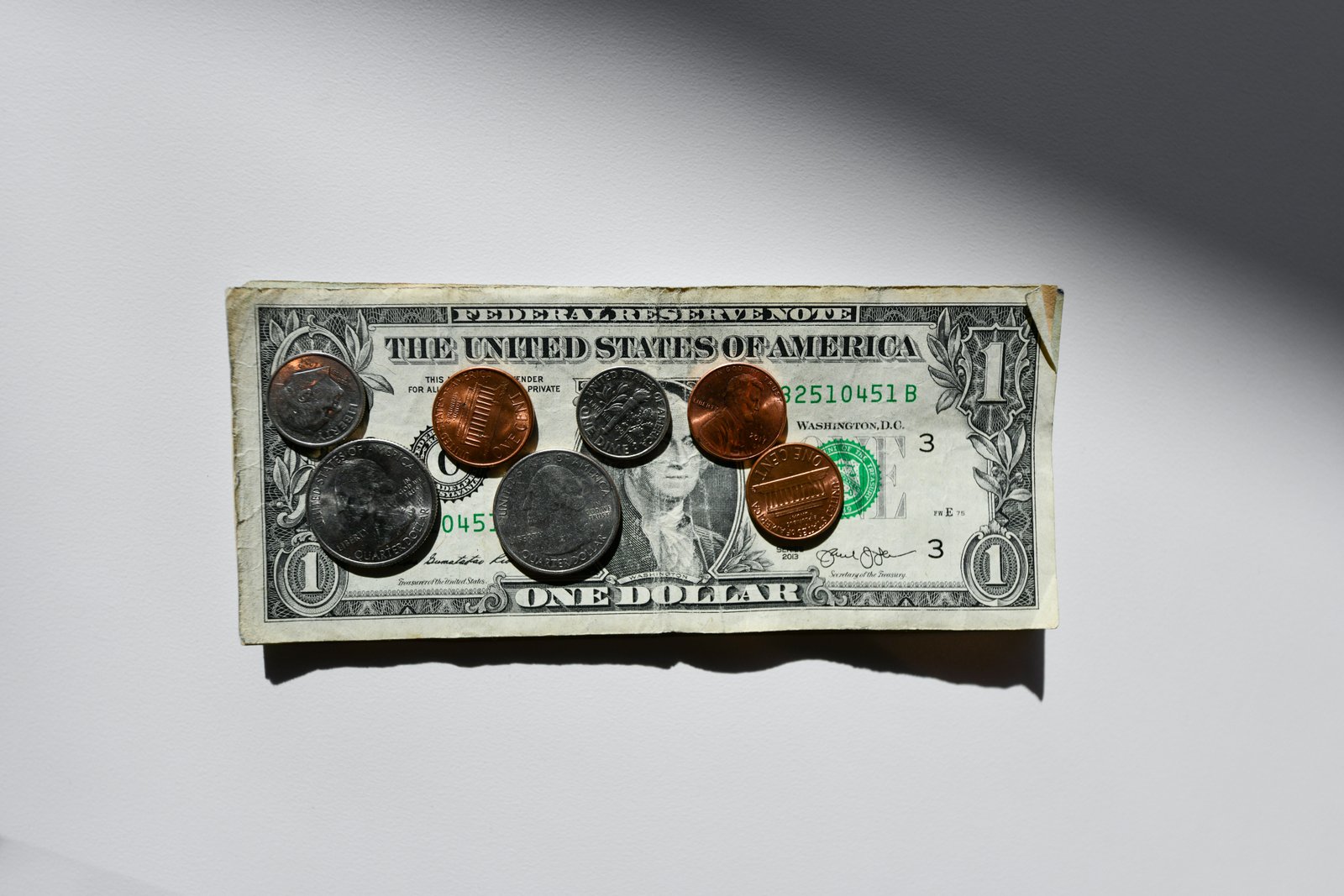

American workers recently saw their largest wage increases in four decades, but rising consumer costs quickly erased almost all of those gains. In the battle between paychecks vs inflation, full-time employees earned an average of $1,250 per week in early 2026, a 38% bump compared to pre-pandemic levels. However, everyday prices jumped by 30% over that same seven-year period. That price spike swallowed roughly 80% of every raise, leaving the typical worker with a real gain of just $70 more per week in today’s money.
How Paychecks vs Inflation Strained Household Budgets
That extra $70 a week sounds like progress, but it disappears fast in the real world. For an average family, $70 covers about one gas tank fill-up for an SUV or less than a third of a single week’s grocery bill. This tiny gap explains why millions of households felt broke even after getting noticeable raises across three different presidential administrations.
The overall numbers do not tell the whole story because worker outcomes varied wildly depending on job sector. About half of American workers managed to stay slightly ahead of rising prices, one quarter broke even, and another quarter fell behind completely. Lower-earning workers like childcare providers, nursing aides, and waiters actually saw wage gains above 10% after accounting for rising costs.

Which Careers Won and Lost in Paychecks vs Inflation
Higher pay scales offered very little protection during this inflationary run. Higher-earning workers saw their real pay rise by just 2.6% over seven years.
The difference between specific jobs was stark. Police officers saw real pay jump nearly 10%, while registered nurses making similar base salaries saw almost no real income growth. Teachers lost around 5% of their purchasing power, and mail carriers saw their real earnings drop by 10%, leading postal workers to reject a national contract offer.
Despite these frustrations, historical data shows a 5.9% real wage gain over seven years is still better than previous decades. During the 1980s, real wages fell by 3.6%, and across the 1990s, workers gained a mere 0.3%.
My Opinion
Statisticians can point to a 6% real wage gain and call it a historical success, but that math does not match how normal people experience daily life. When your boss gives you a $300 monthly raise, you feel like you earned a better lifestyle. When rent, groceries, car insurance, and electricity eat $230 of that raise before it even hits your checking account, you end up feeling cheated.
The real problem with high inflation is that price hikes hit all at once on basic necessities. You notice higher food prices every single Tuesday at the grocery checkout. You notice the gas pump total every weekend. That steady daily drain creates constant financial stress. An extra $70 a week is easily swallowed by one unexpected car repair or a routine trip to the dentist.
We also have to look at how different workers were affected. Teachers and postal workers taking a 5% to 10% pay cut in real buying power is a major policy failure. These are critical public jobs. If we do not pay public service workers enough to keep up with basic living costs, experienced people will leave those professions, and the public suffers as a result.
A $70 weekly gain is technically better than losing ground, but it leaves zero cushion for savings or emergencies. Until price stability lasts for several years without spikes in energy or housing, working families will continue to feel like they are running on a treadmill just to stay in the exact same place.
Bottom Line
The ongoing dynamic between paychecks vs inflation shows why so many Americans remain uneasy about their financial security. Even though wages technically beat price increases overall, a $70 weekly real gain leaves very little room for error in a household budget. For working families to feel truly comfortable again, price increases must stay low while steady wage growth continues across all industries.