

America’s two largest private prison operators, CoreCivic and GEO Group, recorded a combined $1.4 billion in revenue during the second quarter of the year as the number of immigrants held in detention facilities approached record levels.
The companies reported their earnings for April through June on Thursday, with CoreCivic posting revenue of $684.9 million, representing an increase of more than 27 per cent from the same period last year.
GEO Group, meanwhile, reported quarterly revenue of $732.1 million, up by nearly $96 million, or about 15 per cent, compared with the corresponding period last year.
The figures come as nearly 66,000 people are being held in US immigration detention, according to the Transactional Records Access Clearinghouse, a non-partisan research centre.
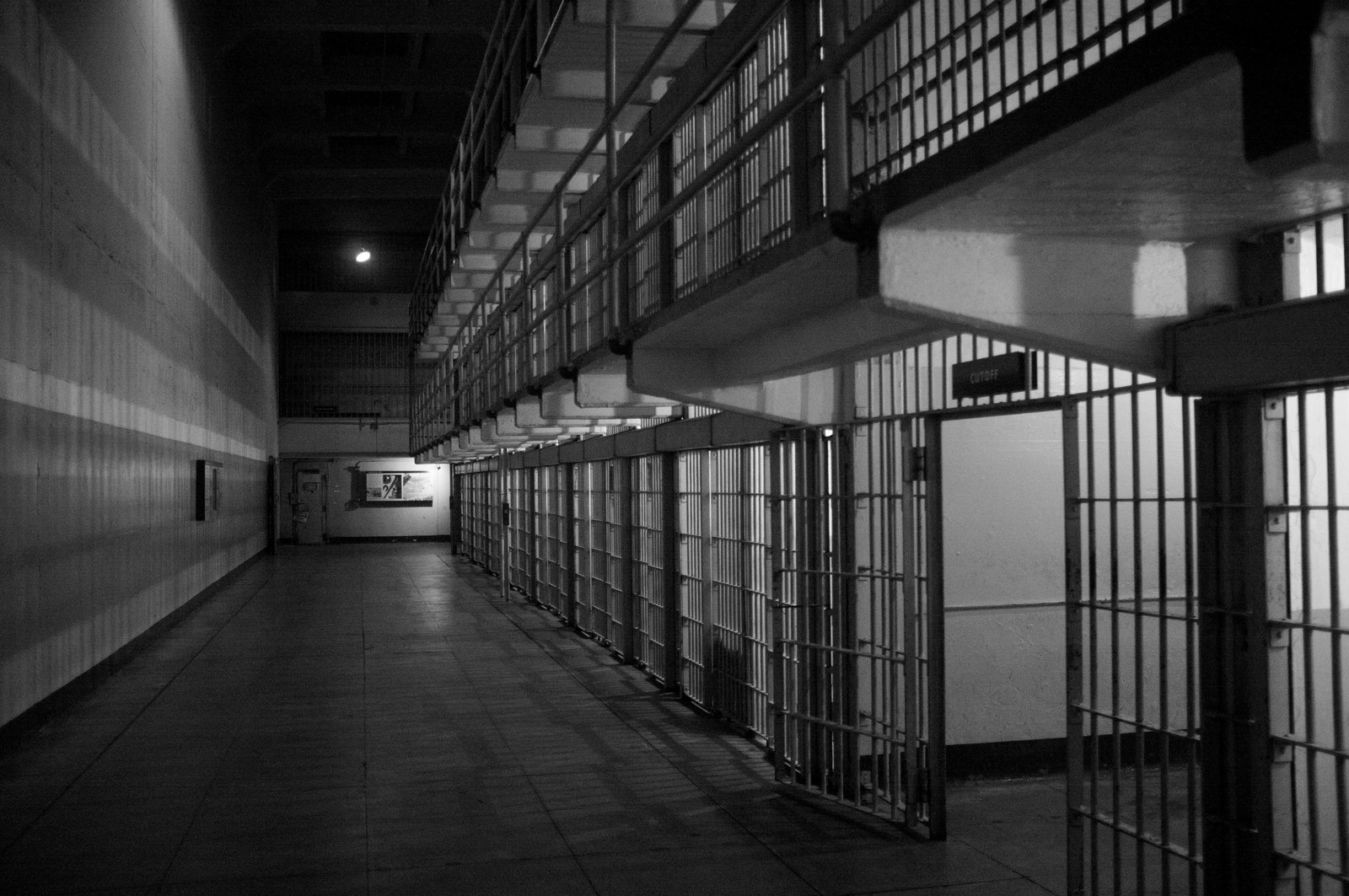
CoreCivic’s results do not yet include $1.6 billion in net proceeds from the recent sale of four detention facilities to the Department of Homeland Security. The transactions are expected to appear in the company’s financial results for the next quarter.
CoreCivic President and CEO Patrick Swindle told investors that the facilities were sold at an average rate of about $307,000 per bed.
The company has also agreed to continue operating the facilities after their sale and is looking at opportunities to expand its detention capacity as the Trump administration pursues a goal of holding 100,000 people in immigration detention.
Swindle said CoreCivic’s performance was helped by an increase in the number of people detained as well as efforts to reduce operating costs.
GEO Group is similarly pursuing additional contracts as immigration enforcement expands under the Trump administration.
The company’s CEO, George Zoley, said its revenue growth was partly driven by contracts secured in 2025.
GEO Group Expands Immigration Monitoring Business
GEO Group is also benefiting from increased demand for electronic monitoring of immigrants outside detention facilities.
The company operates the Intensive Supervision Appearance Program for Immigration and Customs Enforcement, providing services that include GPS ankle monitors, smartwatches and the SmartLink mobile application.
Zoley said the company expects demand for its monitoring services to rise following changes to Temporary Protected Status for Haitian nationals.
“Because of this new policy shift as to who will be subject to this immigration enforcement like … the Haitians, we could see a significant increase in the number of people in the ISAP program,” he said.
He added that “most of them, we believe, would be placed under ankle monitoring supervision.”
Zoley noted that “the app is far less expensive than the ankle monitors.”
GEO Group has also reported increased revenue from government transportation and deportation-related flight contracts, which have grown alongside the rise in removals.
Political Connections Draw Scrutiny
GEO Group has maintained close links with figures connected to the Trump administration.
David Venturella, a former GEO Group executive, is serving as acting director of ICE. He recently told lawmakers that he had sold his GEO Group shares.
Trump’s border czar, Tom Homan, previously worked as a paid consultant for GEO Group, while former Attorney General Pam Bondi lobbied on behalf of the company before joining the administration.
President Trump has also faced scrutiny over financial interests connected to private prison companies. Citizens for Responsibility and Ethics in Washington said an analysis of his latest financial disclosure showed that his brokers had carried out multiple trades involving shares of GEO Group and CoreCivic since he returned to office.
The companies’ latest earnings highlight how the expansion of immigration detention and enforcement is creating additional business opportunities for private prison operators, ranging from detention facilities to transportation and electronic monitoring services.