Canadian government officials are holding urgent talks in Washington to stop a massive wave of new U.S. tariffs on Canada that could hit billions of dollars worth of goods. Canadian Trade Minister Dominic LeBlanc and trade negotiator Janice Charette met with U.S. Trade Representative Jamieson Greer and Commerce Secretary Howard Lutnick as the country faces potential 50% duties on items ranging from dairy and wine to hockey sticks and building materials. With the implementation deadline fast approaching, both sides remain locked in negotiations over long-standing trade disputes.
Why the Threat of U.S. Tariffs on Canada Has Escalated
The current crisis stems from a series of trade disputes between the two neighboring countries that have worsened over the past year. The White House is relying on Section 338 of the Tariff Act of 1930, a 96-year-old law allowing broad presidential action against foreign discrimination, to justify the levies.
The proposed 50% duties target roughly $20 billion in imports, hitting hockey sticks, cement, plywood, wine, clothing, and certain dairy products while sparing critical minerals and energy. U.S. claims the new duties are payback for Canadian policies, including provincial bans on American alcohol, dairy import rules, and Canadian trade retaliation. Canadian leaders call the threatened duties a direct violation of existing trade agreements and are preparing countermeasures if the duties go into effect.
Economic Impact on Consumers
Economists warn that these trade barriers will push up costs for buyers on both sides of the border at a time when consumer inflation is already rising.
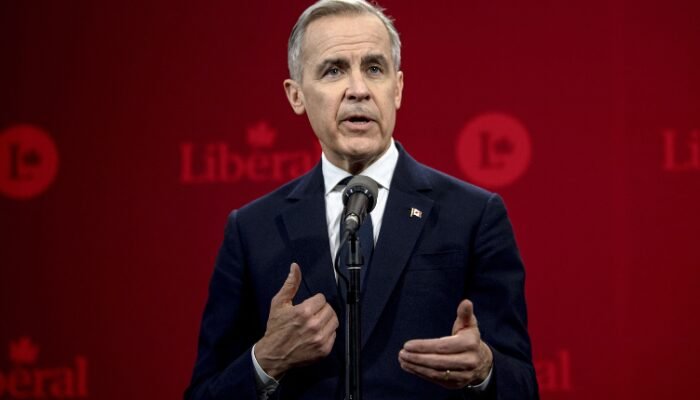
Canadian representatives continue to push for a comprehensive deal, but top officials admit the two nations still face major hurdles before reaching an agreement.
My Opinion
Regular Consumers: Watching world leaders trade tariff threats like bargaining chips gets exhausting when everyday people end up footing the bill. Trade disputes between close partners usually start over specific policy arguments, but they quickly turn into a political muscle-flexing contest where nobody wins. When government officials slap big duties on basic items like dairy, lumber, or sports gear, they aren’t just punishing foreign companies; they are driving up grocery bills and home construction costs for regular families who are already struggling with inflation.
Relying on nearly century-old tariff laws to force quick policy changes rarely produces smooth, lasting trade harmony. It creates wild uncertainty for small businesses, ruins supply chains that took decades to build, and forces consumers to make tough choices at the checkout counter. Canadian provinces banning products in response to U.S. tariffs, followed by the U.S. threatening even higher taxes as payback, is an endless cycle that damages both economies.
Instead of dragging out public standoffs right up to midnight deadlines, negotiators should focus on practical, long-term trade solutions that keep cross-border commerce moving smoothly. Real economic security comes from stable, predictable trade rules, not sudden tax hikes on everyday goods that hurt normal households far more than they help national policy goals.
Bottom Line
The standoff over these U.S. tariffs on Canada serves as a reminder of how fragile international trade agreements can be when political friction turns into economic policy. As the deadline arrives, businesses and consumers on both sides of the border are left waiting to see if diplomats can broker a last-minute deal. Without a clear resolution, the financial strain of these retaliatory duties will fall squarely on everyday shoppers and regional industries.