The Pentagon has directed 30 American universities to review their financial and research relationships with foreign institutions, warning that schools could lose federal research funding if they fail to comply.
The universities have been instructed to examine specified overseas partnerships and determine whether they expose sensitive or export-controlled research to foreign entities.
Emil Michael, Under Secretary of War for Research and Engineering, said the government would not tolerate academic collaborations that could threaten national security.
“The Department of War has zero tolerance for academic partnerships that compromise our national security,” Michael said.
He added, “Institutions that receive funding from American taxpayers must uphold the highest standards of research security, and these mandated audits will ensure accountability across the board.”
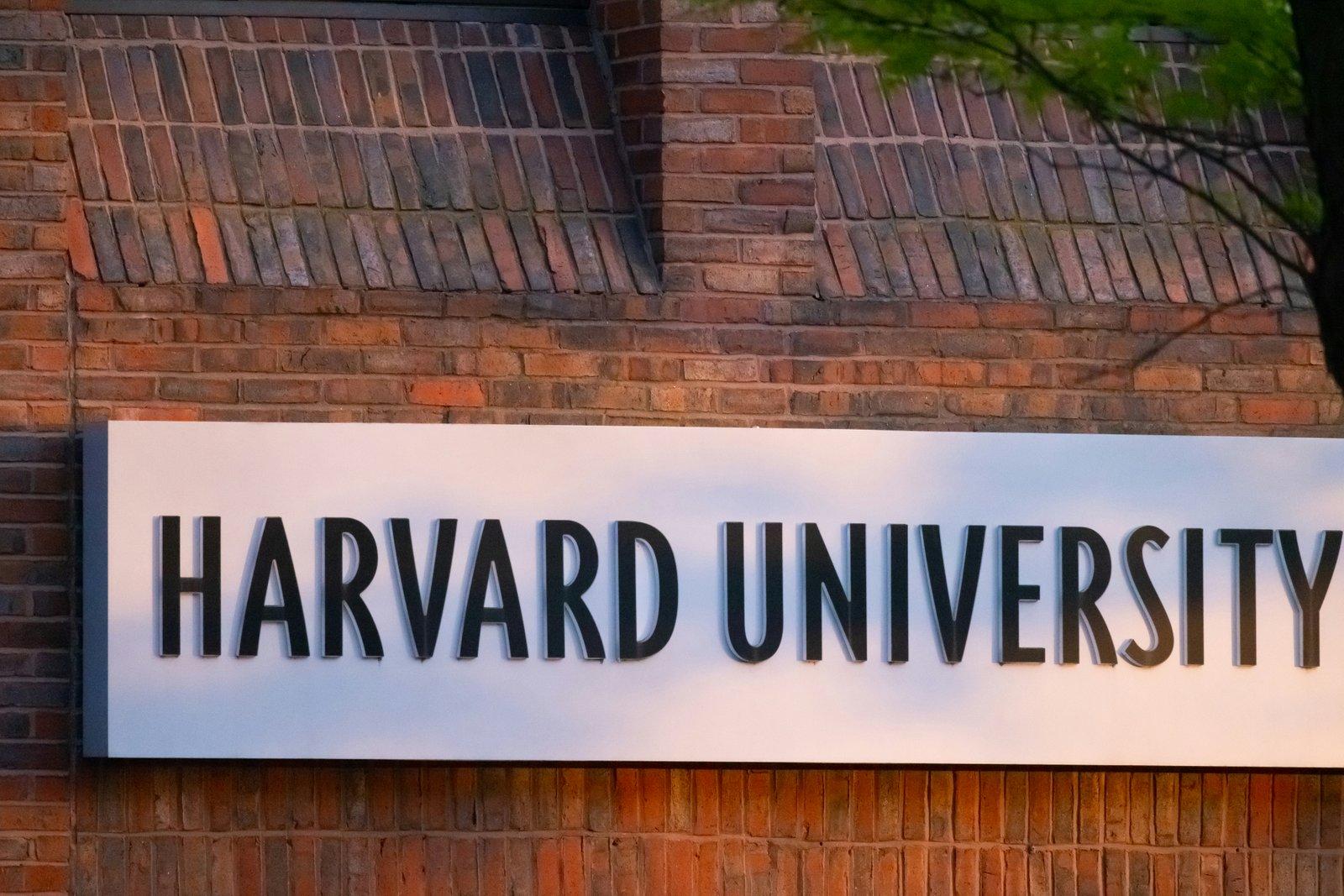
The institutions named in the directive include Harvard University, Massachusetts Institute of Technology, Georgetown University, Cornell University, Duke University, Johns Hopkins University, New York University, University of California, Berkeley, University of California, Los Angeles, University of Southern California, University of Texas at Austin, University of Illinois Urbana-Champaign and the University of Delaware, among others.
The schools must identify partnerships that could breach national security requirements and develop measures to address any risks discovered. Where necessary, they have also been instructed to end partnerships deemed problematic.
The universities are required to submit their audit findings to the War Department by August 31.
Dr Joseph Jewell, Assistant Secretary of War for Science and Technology, said universities play an important role in government-funded research, making the protection of such work a priority.
“Universities are critical partners in executing a wide range of Department of War research programs, and the Department must therefore ensure that our research investments are well protected from foreign exploitation,” Jewell said.
The review focuses on foreign organisations listed under Section 1286 of the Fiscal Year 2019 National Defense Authorization Act. The provision identifies 130 academic and research institutions in China, Russia and Iran that the US government considers potential risks to federally funded research.
Harvard is among the universities facing scrutiny. A recent report alleged that the institution had not adequately protected some research collaborations involving Chinese universities, with researchers linked to Harvard reportedly co-authoring more than 140 papers with researchers from a group of Chinese institutions.
The university has also reportedly received more than $600 million in foreign gifts and contracts from China disclosed under the federal Section 117 reporting system, according to a US Education Department database cited by a congressional report.
Concerns over foreign influence have prompted several American universities to end or scale back programmes linked to China in recent years.
Among them are Confucius Institutes, which were established to teach Chinese language and culture but became the subject of scrutiny over their funding and alleged links to Beijing.
A 2023 watchdog report found that the number of Confucius Institutes at US colleges had fallen from roughly 100 to fewer than five over a four-year period.
The closures followed restrictions on federal funding and increased pressure from US lawmakers over potential foreign influence in American higher education.