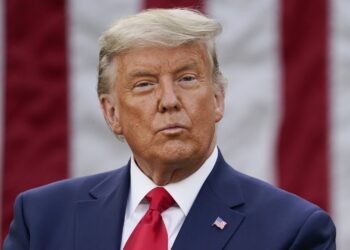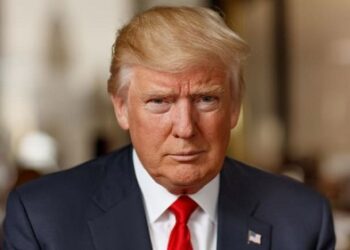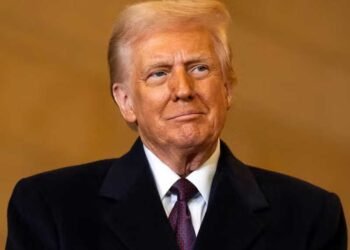

Democrats in Congress are pushing back sharply after federal regulators granted conditional crypto bank approval to World Liberty Financial Trust Company, a firm partly owned by the family of Donald Trump. The conditional green light came from the Office of the Comptroller of the Currency (OCC), an agency headed by a presidential appointee. Many view this crypto bank approval as a clear conflict of interest, noting that an entity tied to Trump owns roughly 38% of the company. While career officials at the OCC insist the decision followed standard regulatory procedures, political opponents argue that giving a charter to a firm tied to the sitting US president creates an unprecedented pathway for private entities seeking political influence.
Details Behind the Trump Crypto Bank World Liberty
Financial differs significantly from a traditional commercial bank. It will not issue mortgages, manage personal savings accounts, or provide consumer credit cards. Instead, the primary focus of this new entity following its conditional crypto bank approval is to directly issue USD1, a dollar-pegged stablecoin linked to the Trump family.

Under current federal stablecoin regulations, the bank cannot pay interest to depositors who purchase its stablecoins. However, World Liberty Financial can collect those customer funds and invest them in low-risk US Treasury bonds, earning interest directly for the business. Financial analysts point out that because USD1 currently represents a small fraction of the broader stablecoin market, the primary incentive for large depositors to move funds into the token may be the proximity it provides to the White House.
OCC Review and Political Backlash
Ethics watchdogs and law experts have voiced strong concern over the setup. Jeremy Kress, a law professor at the University of Michigan, described the move as unprecedented, emphasizing that the executive branch effectively oversees the regulatory body that granted the charter.
In response to the criticism surrounding this crypto bank approval, the OCC stated that the decision was handled independently by career staff rather than political appointees. Representatives for World Liberty Financial also defended the decision, stating that obtaining a national trust charter subjects the company to permanent federal oversight and strict compliance standards.
The debate surrounding this conditional crypto bank approval is a growing tension over how cryptocurrency regulations intersect with high-level political figures.