

Consumer confidence in the United States weakened again in August as rising fuel costs and concerns over the economy continued to weigh on households.
The Conference Board reported on Tuesday that its consumer confidence index fell to 89.4 in August from 90.2 in July. The latest reading marked the lowest level in seven months, although confidence remained within the relatively weak range recorded throughout much of the year.
By comparison, the index regularly stayed above 100 during late 2024 and the early months of 2025.
While Americans became somewhat more positive about their current financial and economic conditions, their expectations for the months ahead deteriorated.
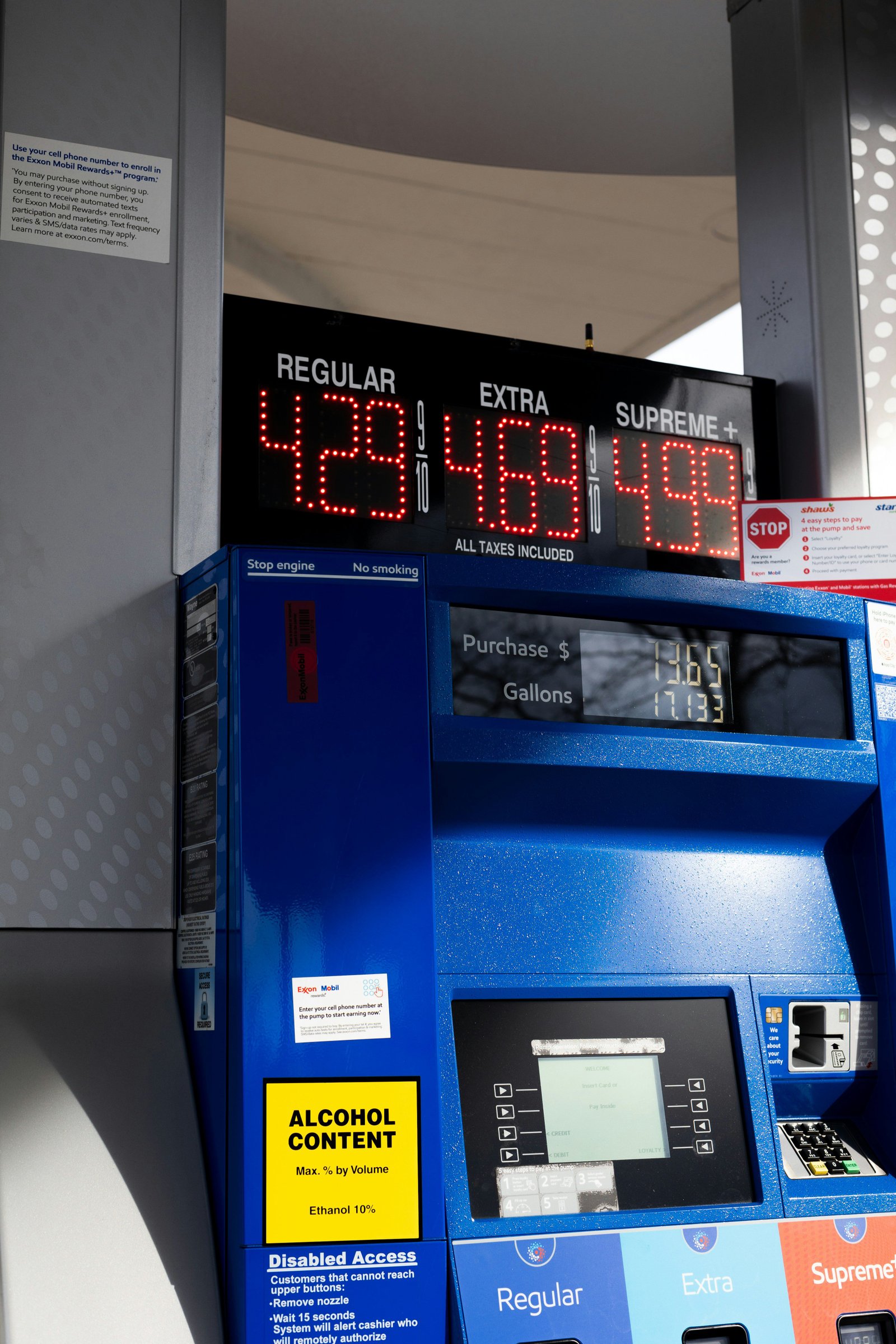
The decline comes as the continuing conflict involving Iran has contributed to higher oil prices, pushing average US petrol prices above $4 per gallon and increasing pressure on household budgets.
The Conference Board’s survey, conducted between August 3 and 16, showed that concerns about prices remained widespread. Respondents also made more references to oil and petrol costs, geopolitical tensions, war, food prices, trade and employment.
Persistent inflation remains a major source of frustration for Americans after several years of elevated living costs. The economic mood could also become politically significant as the US midterm elections approach, with fewer than 70 days remaining.
President Donald Trump has continued to blame high prices on his predecessor, Joe Biden. However, inflation has remained above the level recorded when Trump returned to office.
The Personal Consumption Expenditures price index, the Federal Reserve’s preferred inflation measure, rose 3.7% in June compared with the same month a year earlier. Although that represented an improvement from May’s 4.1% increase, it was higher than the 2.8% recorded before the Iran conflict began on February 28.
The PCE inflation rate stood at 2.5% when Trump was inaugurated in January 2025. The government is scheduled to release the July PCE figures on Wednesday.
Americans had a slightly more favourable view of the current labour market in August. About 27% of respondents described jobs as “plentiful”, compared with 24.4% in July.
However, expectations for the labour market deteriorated. Only 14.6% of those surveyed expected more jobs to become available over the next six months, down from 16.4% the previous month.
The latest sentiment figures also come after a disappointing July jobs report. US employers unexpectedly cut 23,000 jobs during the month, while government revisions removed a combined 103,000 jobs from previously reported employment figures for May and June.
Although the unemployment rate declined to 4.1%, the drop was partly attributed to people leaving the labour force rather than a significant improvement in employment conditions.
The combination of elevated prices, uncertainty over employment and geopolitical tensions continues to leave American consumers cautious about the economic outlook.