The House Intelligence Committee is urging the adoption of European-style border control booths that collect biometric information — including facial scans — on all foreigners coming or going from the United States to better safeguard against terrorism.
The panel urged the change in a 66-page report drafted by Reps. Elise Stefanik (R-NY) and Josh Gottheimer (D-NJ), focused on implementing 9/11 Commission recommendations ahead of the 25th anniversary of the attacks.
“Similar to the Schengen Area in Europe, foreign nationals traveling to the United States should pass control booths at points of entry at admission and departure, enabling the U.S. to track who is in the country, for how long, why, and when they leave,” the panel said.
“Technological advancements make collecting biometric data at points of entry relatively quick and easy. As much as practically possible, U.S. borders should be secured to ensure foreign nationals seeking land exits to pass through land points of entry so CBP can collect biometrics and build profiles.”
The Security Gap
The committee said that land borders are particularly insecure in terms of scanning the faces of people entering from Canada or Mexico — and that airports do not currently scan outbound passengers’ faces, making it more difficult to verify that someone left the country.
The 9/11 Commission in 2004 called for authorities to “quickly complete a biometric entry-exit screening system, one that also speeds qualified travelers” — however, it has not been done quickly.
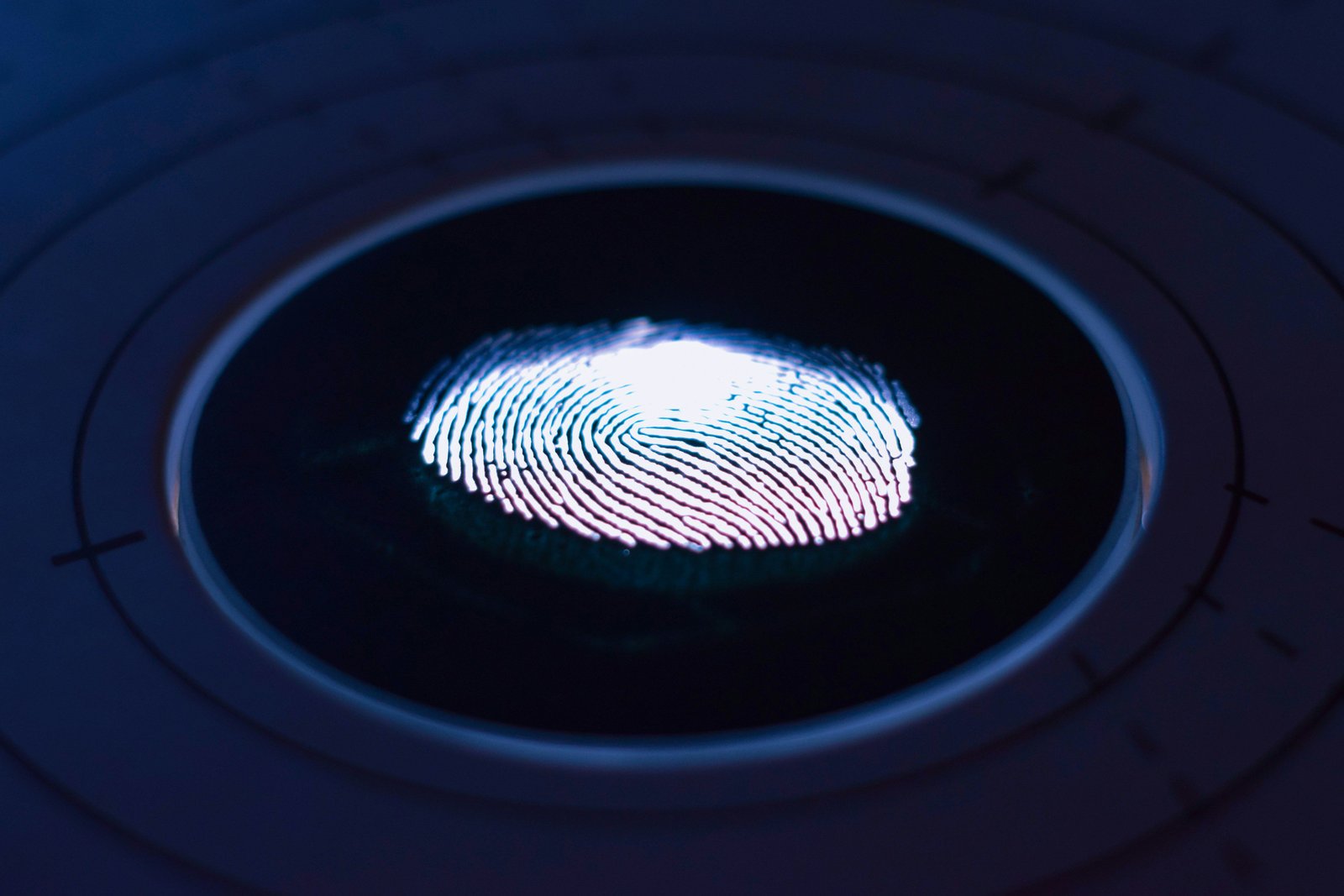
At least two — and possibly eight — of the 19 hijackers in the 9/11 attacks had phony or manipulated passports, the commission found. In the aftermath of the devastating attacks, commissioners warned that “a terrorist can defeat the link to electronic records by tossing away an old passport and slightly altering the name in the new one,” whereas biometric features like faces, fingerprints, and irises are not so easy to change.
“The current system fails to sufficiently allow for effective identification and removal of foreign terrorist or intelligence operatives. In the 21st century, the lack of a fully automated biometric entry/exit system impedes efforts to address this issue,” Stefanik and Gottheimer wrote.
Slow Progress
The new report chronicles the slow progress to setting up a comprehensive system.
“In October 2025, CBP amended its regulations to allow DHS to require photographs from all noncitizens arriving and departing the United States; DHS previously only fielded biometric exit pilot programs at 15 air or seaports,” the report says.
The exit scans at airports have not been fully implemented, according to the assessment.
“Challenges remain with collecting land-entry biometrics on incoming vehicles, but CBP is currently piloting facial recognition technology for travelers entering the U.S. in personally owned or commercial vehicles,” the report adds.
“Conversely, exit systems have historically proven especially difficult to implement, and the U.S. has not fully implemented a biometric exit screening system at any point of entry category.”
The Bottom Line
The House Intelligence Committee is calling for mandatory biometric screening — including facial scans — for all foreign nationals entering or leaving the United States. The proposal, drafted ahead of the 25th anniversary of 9/11, aims to close security gaps that allowed hijackers to use fraudulent documents. The report notes that the US has lagged in implementing a comprehensive biometric entry-exit system, which was first recommended by the 9/11 Commission in 2004.